
Planting
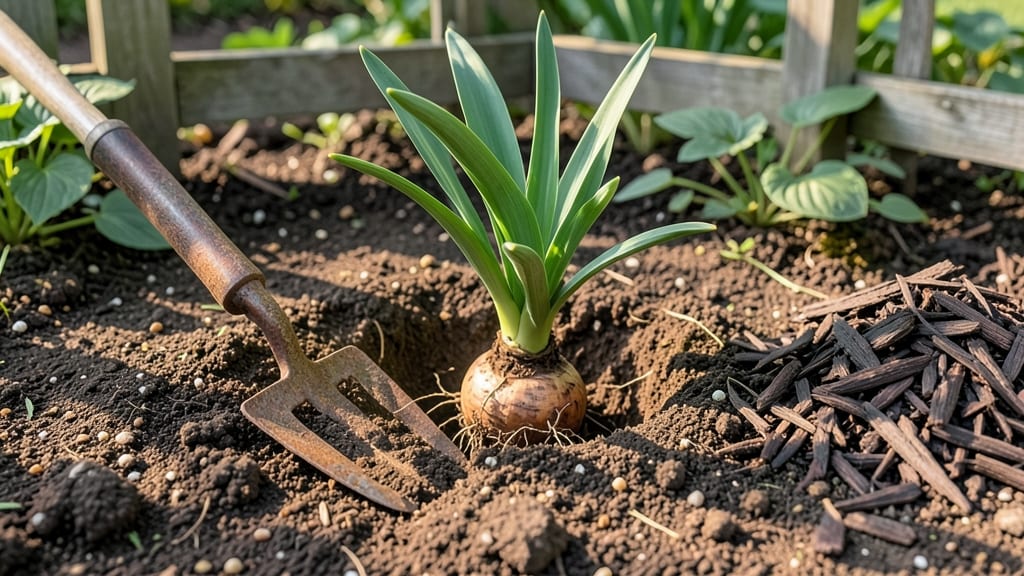
Planting lily bulbs in your garden at the right time ensures vibrant blooms next summer—and skipping the ideal window can leave you waiting a full extra year for those show-stopping 🌷 flowers.
Timing is everything when planting lily bulbs—get it wrong, and you might wait a full year for those stunning blooms. But with the right soil temperature triggers, you can ensure vibrant flowers next spring without the guesswork.
In USDA Zone 6a, the best windows are early fall (September–October) or late winter (February–March), when soil temps hover between 40°F and 60°F. Too early, and the bulbs rot; too late, and they won’t root before summer heat arrives.
Below, I’ll break down exactly how to check soil readiness, the 3 critical planting mistakes to avoid, and regional tweaks for cooler or warmer climates—so you can plant with confidence and enjoy blooms on schedule.
Optimal soil temperature for planting lily bulbs (by region)
Lily bulbs thrive when planted in cooler soil temperatures between 40°F and 60°F. This range ensures roots establish before extreme cold or heat stress sets in. Planting at the right time—either early fall or late winter—maximizes bloom potential for next season.
Regional differences mean your USDA zone dictates the perfect window, so let’s break it down by climate.
In cooler climates (Zones 3-5), aim for late August to early October planting. The soil should be 50-60°F and frost-free for at least 4-6 weeks after planting. Southern regions (Zones 8-10) can plant October through December or even January-February for spring blooms.
The key is avoiding freezing soil or summer heatwaves, both of which stress bulbs.
Here’s why timing matters: Lily bulbs need 6-8 weeks of root growth before winter dormancy. Planting too early in warm soil can cause premature sprouting, while planting too late risks frozen roots. The 40-60°F range is your sweet spot for consistent success across all zones.
For northern gardeners (Zones 3-5), early fall planting is ideal. The bulbs establish roots before winter, then bloom vigorously the following summer. In Zones 6-7, you can stretch planting into early November, but avoid planting when soil temps drop below 40°F.
Southern growers (Zones 8-10) have flexibility—plant in fall or late winter—but prioritize well-draining soil to prevent rot in humid climates.
Pro tip: Use a soil thermometer to confirm temps. Stick it 4-6 inches deep (the planting depth for lily bulbs) and wait for readings in the 50-60°F range.
If your soil runs warmer, water deeply to cool it down before planting. This simple step can mean the difference between thriving blooms and stunted growth.
Late winter planting (February-March) works in milder climates like Zones 8-10. This strategy leverages the cool-but-not-freezing soil of early spring, giving bulbs a head start. Just ensure the last frost has passed before emerging shoots hit 32°F temps.
In colder zones, stick to fall planting—spring-planted bulbs often rot before blooming.
Regional microclimates add another layer. For example, coastal areas (like California’s Zone 9) may plant later due to milder winters, while inland deserts (also Zone 9) might plant earlier to escape summer heat.
Always adjust for your local frost dates and soil type. Sandy soil warms faster—plant earlier—while clay holds moisture longer, delaying your window.
Once planted, mulch heavily (3-4 inches) to insulate bulbs from temperature swings. Organic mulch like straw or shredded leaves also improves soil structure over time.
Avoid synthetic mulches—they can trap too much moisture, leading to bulb rot. Post-planting care is just as critical as timing, so don’t skip this step.
If you miss the fall window, don’t panic. Many lily varieties—especially hardy Asiatic and Oriental lilies—tolerate late winter planting. Just soak bulbs in water for 24 hours before planting to kickstart root growth.
For tropical lilies (like Stargazer), stick to spring planting only—they’re frost-sensitive and won’t survive winter outdoors in most zones.
Remember: The 40-60°F soil temp rule is your golden ticket to bigger, healthier blooms. Master this, and you’ll enjoy lush lily gardens for years to come—no guesswork required. Happy planting! 🌷
Signs your soil is ready for lily bulbs (before you dig)
Planting lily bulbs at the right time ensures strong roots and vibrant blooms next season. But how do you know when your soil is truly ready? The key lies in understanding subtle cues from your garden and climate.
Unlike annuals, lilies thrive when planted in cool soil—not too warm, not too cold—but just right for root establishment.
First, check your local frost dates. Lilies need a 4-6 week head start before winter freezes set in. This means planting 4-6 weeks before your first frost in fall or after the last frost date in spring.
For most regions, this lands in September-October or February-March, but your exact timing depends on soil conditions.
- 1 Soil Temperature Test: Stick your finger 4-6 inches deep. If the soil feels cool but workable (around 60°F or 15°C), it’s ideal. For a rough estimate, use the "thumb rule": press your thumb into the soil—if it leaves a slight indentation but doesn’t feel mushy, it’s ready.
- 2 Moisture Check: Dig a small hole and squeeze a handful of soil. If it holds shape but crumbles when touched, moisture levels are perfect. Dry soil needs watering first, while soggy soil requires drainage fixes (like compost or sand) before planting.
- 3 Bulb Dormancy Signal: If your lilies are still dormant (no green shoots), fall planting is your window. For spring planting, wait until you see new growth emerging from stored bulbs—this means they’ve broken dormancy and are ready for transplant.
- 4 Frost-Free Window: Aim to plant 6 weeks before the first frost. Use your local USDA zone as a guide: Zones 3-5 plant in late August-September, while Zones 6-10 can wait until October-November. Spring planters should wait until 2 weeks after last frost.
Don’t rely solely on a calendar—your soil’s natural cues are more accurate. For example, in humid climates, soil may feel cooler longer, while dry regions warm up faster. If you’re unsure, use a soil thermometer (or a candy thermometer from the kitchen) to confirm 60°F (15°C) at planting depth.
Once you’ve confirmed readiness, dig a hole 3 times wider than the bulb and 6 inches deep. Amend the soil with compost for nutrients, and plant with the pointy end up.
Water deeply to settle the soil, but avoid overwatering—lilies hate soggy roots. With these signs in mind, you’ll know exactly when to dig and plant for next year’s showstopping blooms.
Pro tip: Mark your planting date on a calendar. Lilies need 6-8 weeks to establish roots before winter, so timing is everything. If you plant too early, bulbs may rot; too late, and they won’t bloom on schedule.
Trust your soil—and your lilies will thank you with bold, healthy flowers come summer. 🌷