Planting
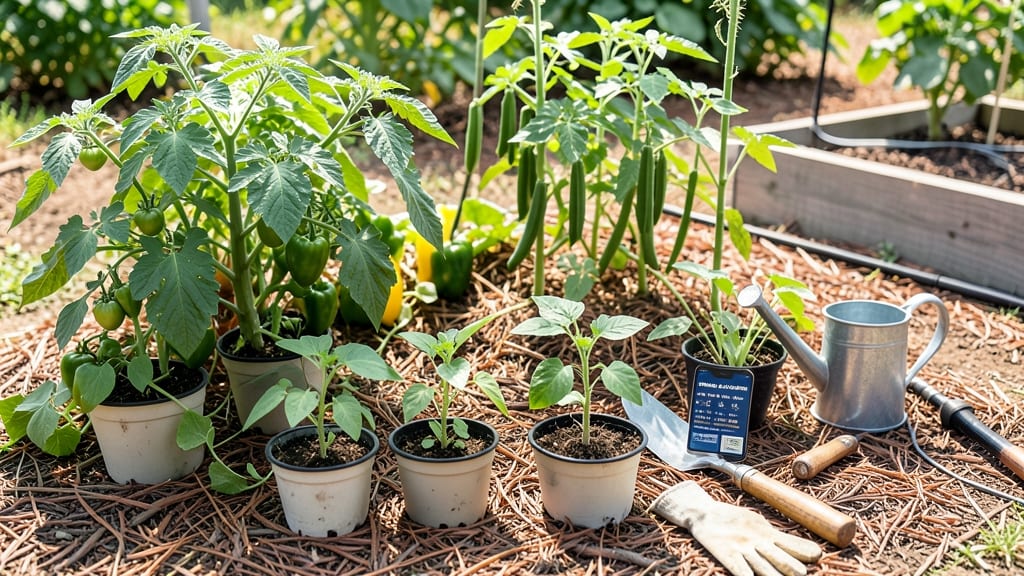
Planting your vegetable garden in Florida at the right time is the key to beating the heat and growing a bountiful harvest 🌱 — and the window is narrower than you think.
Florida’s scorching summers and unpredictable weather make gardening a challenge—but with the right timing and heat-resistant crops, you can grow a thriving vegetable garden year-round. Avoid costly mistakes by learning the exact planting months for Florida’s climate zones.
Whether you’re in North Florida’s cooler Zone 8 or South Florida’s tropical Zone 11, the best planting months shift dramatically. Skip the guesswork and discover when to start seeds indoors, when to transplant, and which crops thrive in Florida’s brutal summer heat—without wilting before harvest.
Inside, I break down the perfect planting schedule for tomatoes, peppers, greens, and more, plus Florida-specific hacks to extend your growing season and outsmart pests. Ready to turn your garden into a high-yield machine?
Florida’s best heat-resistant vegetables & their ideal planting months by Zone
Florida’s humid heat and sandy soil can make gardening tricky, but these heat-resistant vegetables thrive year-round with the right timing. Whether you're in North Florida’s cooler Zone 8 or South Florida’s tropical Zone 11, knowing the exact planting months ensures bountiful harvests.
Let’s dive into the top performers and their ideal schedules.
The key to success in Florida is timing your plantings to avoid extreme summer heat (June-August) and winter chills (December-February). Most heat-loving crops like okra and sweet potatoes prefer warm soil, while peppers and tomatoes benefit from transplanting after last frost.
Below, I’ve broken down the best planting months for each crop across Florida’s three main zones.
🌱
| Vegetable | North Florida (Zone 8) | Central Florida (Zone 9) | South Florida (Zone 10-11) | Planting Method |
|---|---|---|---|---|
| Okra | April–May (direct sow) | March–April (direct sow) | Year-round (direct sow) | Direct sow or transplant |
| Sweet Potatoes | April–May (slips) | March–April (slips) | Year-round (slips) | Transplant slips |
| Peppers (Bell/Jalapeño) | March–April (transplant) | February–March (transplant) | Year-round (transplant) | Transplant seedlings |
| Tomatoes | March–April (transplant) | February–March (transplant) | Year-round (transplant) | Transplant after last frost |
| Eggplant | April–May (transplant) | March–April (transplant) | Year-round (transplant) | Transplant seedlings |
| Southern Peas (Cowpeas) | May–June (direct sow) | April–May (direct sow) | Year-round (direct sow) | Direct sow after soil warms |
Okra is a summer superstar in Florida, tolerating 90°F+ temperatures with ease. In North Florida, plant seeds directly in the garden in April–May when soil temps reach 70°F+. In South Florida, you can sow year-round, but avoid peak summer for better yields. Okra thrives in poor soil and drought conditions, making it ideal for Florida’s sandy landscapes.
For sweet potatoes, transplant slips (young plants) in spring (March–April in Central Florida, April–May in North Florida). South Florida gardeners can plant year-round, but spring and fall produce
How to adjust your planting schedule for Florida’s microclimates
Florida’s microclimates create unique gardening challenges, where North Florida’s cooler winters contrast sharply with South Florida’s intense humidity. Even within zones 8-10, your garden’s success depends on understanding these variations.
I’ve learned that timing adjustments—like planting cool-season crops in winter or using shade cloth in summer—can extend your growing season dramatically.
Start by identifying your local microclimate. Coastal areas stay warmer longer, while inland regions experience colder nighttime temperatures that can damage tender plants. For example, broccoli and lettuce thrive in North Florida’s winter months but may bolt in South Florida’s heat.
The key is strategic planting shifts that align with your specific climate patterns.
5 Essential Adjustments for Florida’s Microclimates
- 📅 Winter Planting: Sow cool-season crops (kale, spinach, carrots) in November-December for North Florida; delay until January-February in South Florida to avoid frost.
- ☀️ Summer Shade: Use 30-50% shade cloth over tomatoes and peppers during peak summer (June-August) to prevent sunscald and fruit drop.
- 🌡️ Frost Protection: Cover tender plants with frost blankets during unexpected 28°F nights, even in Zone 10—common in coastal dips.
- 🌱 Succession Planting: Extend harvests by sowing bush beans and radishes every 2-3 weeks from February-April and September-November.
- 🪴 Mulching: Apply 3-4 inches of mulch (straw or pine bark) to retain moisture in summer and insulate roots in winter.
Don’t overlook the power of succession planting—a technique I’ve used to harvest bush beans and radishes continuously from spring to fall. By staggering plantings every 2-3 weeks, you create a non-stop harvest cycle that maximizes your garden’s potential.
For example, in North Florida, start radishes in February, then repeat in April, June, and September to avoid the hottest months.
Another game-changer is mulching. In Florida’s sandy soil, mulch acts as a moisture barrier during summer downpours and insulation during winter chills. I recommend straw or pine bark—both work well in Florida’s climate.
Apply a 3-4 inch layer around plants to keep roots cool in summer and warm in winter, reducing stress on your vegetables.
For summer gardening, shade cloth is your best friend. Even heat-tolerant crops like tomatoes and peppers struggle when temperatures exceed 95°F. A 30-50% shade cloth reduces heat by 10-15°F, preventing sunscald and fruit drop.
I’ve seen tomato yields double when using shade cloth during peak summer months.
Finally, pay attention to microclimate warnings. Coastal areas may experience unpredictable frost due to cold fronts, while inland regions can see sudden heatwaves. Stay ahead by monitoring local weather alerts and adjusting your planting schedule accordingly.
With these strategies, you’ll turn Florida’s challenges into opportunities for a year-round harvest. 🌱