
Planting
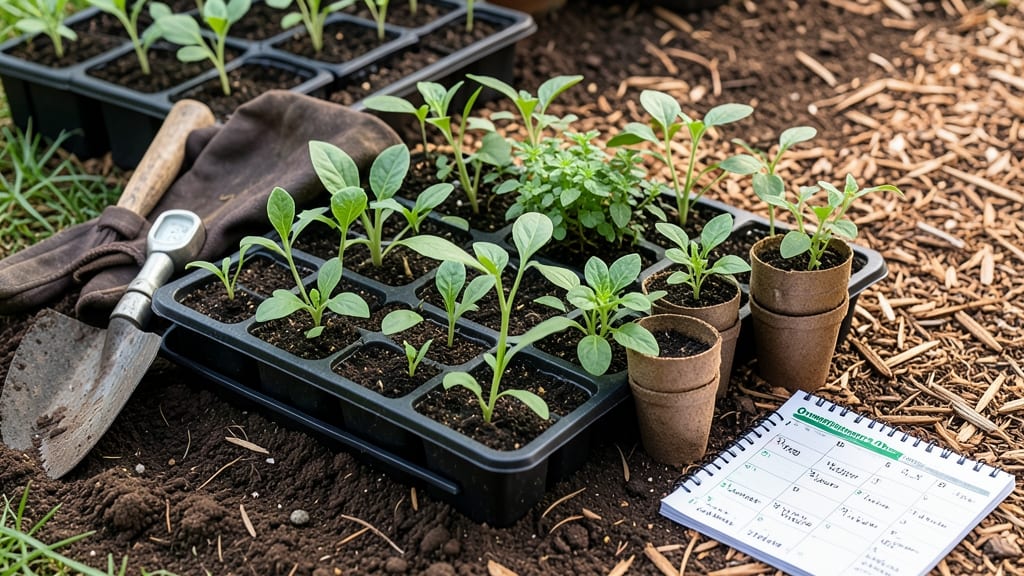
Planting a vegetable garden in Ontario at the right time means the difference between a bountiful harvest and a sad, frost-nipped disappointment.
Ontario’s unpredictable climate can make or break your vegetable garden—planting too early risks frost damage, while waiting too long cuts your harvest short. Master the perfect timing with this frost-date guide tailored to Ontario’s unique growing zones.
Whether you’re in Southern Ontario’s warmer pockets or the cooler 5a-6b zones near Ottawa, knowing when to plant cool-season crops like peas or warm-season favorites like tomatoes is key.
Below, I break down frost-free dates by region, soil temperature tips, and a step-by-step planting schedule so you can maximize your garden’s potential from late April through October.
Ontario frost dates by growing Zone: when to plant cool vs warm-season crops
Ontario’s growing zones (1-7) create dramatic differences in last frost dates, which directly impact when you can safely plant your vegetable garden. In Zone 1 (northern Ontario), the average last frost arrives around June 15, while Zone 7 (Niagara region) sees frost-free conditions by May 1.
These dates separate cool-season crops (like spinach and peas) from warm-season crops (tomatoes and peppers), and getting them wrong can mean lost harvests.
Cool-season crops thrive in cooler temperatures and can even handle light frosts, making them ideal for early spring planting. Warm-season crops, however, demand consistent warmth and won’t tolerate frost at all. Understanding your local frost dates helps you align planting with soil temperatures and daylight hours, maximizing your garden’s potential.
For example, Zone 5 (Toronto area) typically has a last frost around May 15, giving you a longer window to grow warm-season crops than gardeners in Zone 3 (near Sault Ste. Marie), where frost lingers until June 1.
Microclimates further complicate timing. Urban areas like Toronto experience urban heat islands, where asphalt and buildings trap heat, allowing you to plant warm-season crops 1-2 weeks earlier than rural areas. Conversely, sheltered valleys or low-lying spots may see later frosts, delaying planting by weeks.
Always adjust your schedule based on local observations and historical frost data from sources like Environment Canada.
Here’s a quick reference for Ontario’s frost-free periods by zone, including ideal planting windows for both cool-season and warm-season crops. Use this as your starting point, then fine-tune based on your specific location and microclimate.
| Zone | Last Frost Date | First Frost Date | Cool-Season Planting Window | Warm-Season Planting Window | Notes |
|---|---|---|---|---|---|
| 1 (Northern ON) | June 15 | September 15 | March 15–May 1 | June 1–July 15 | Short season; focus on fast-maturing varieties. |
| 2 (Northwest ON) | June 1 | September 10 | March 1–April 15 | May 15–July 1 | Use row covers to extend warm-season growing. |
| 3 (Northern ON) | May 20 | September 5 | February 15–April 1 | May 1–June 15 | Cold frames help start early warm-season crops. |
| 4 (Central ON) | May 10 | October 1 | February 1–April 15 | April 15–June 1 | Ideal for succession planting of warm crops. |
| 5 (Toronto Area) | May 15 | October 10 | February 15–April 1 | April 1–June 15 | Urban heat islands allow earlier planting. |
6 (Southwest ON
Step-by-step frost-date calculator: how to plan your planting scheduleOntario’s last frost date is the golden rule for vegetable gardeners—planting too early risks frost damage, while waiting too long shortens your harvest. But with 7 growing zones across the province, timing varies dramatically from Niagara’s Zone 6b to Northern Ontario’s Zone 3. Here’s how to pinpoint your exact dates and create a foolproof planting schedule. Start by checking Environment Canada’s historical frost data for your specific location. For example, Toronto’s average last frost is May 15, while Ottawa typically sees frost until May 25. Use these dates as your baseline, then adjust for microclimates—urban areas often warm up faster than rural spots. My garden in Hamilton, for instance, gets frost-free 2-3 days earlier than the official average due to its urban heat island effect. Step 1: Determine Your Growing Zone Use the Ontario Ministry of Agriculture’s zone map to identify your exact location. Zones 1-3 (Northern Ontario) have shorter growing seasons (90-120 days), while Zones 5-7 (Southern Ontario) enjoy 150-200 frost-free days. Write down your zone—this will dictate your planting windows for cool-season vs. warm-season crops. 📅 Your Ontario Planting Timeline
🌱 Pro Tip: Bookmark Environment Canada’s historical climate data for real-time updates.
Once you’ve nailed down your frost dates, create a planting calendar tailored to your zone. For example, in Zone 6 (Southern Ontario), warm-season crops like tomatoes and peppers should go in the ground 2 weeks after your last frost date. Meanwhile, cool-season crops like broccoli and carrots can start as early as late March under row covers. Don’t forget to account for succession planting—this technique ensures a continuous harvest by staggering plantings every 2-3 weeks. For instance, if your lettuce matures in 45 days, plant a new batch every 3 weeks from May to July. This keeps your salad bowl full without gaps. My bush beans thrive with this method, giving me harvests from July to September. For Northern Ontario gardeners (Zones 1-3), focus on fast-maturing varieties and prioritize early planting. Use black plastic mulch to warm the soil faster and extend your season. In my friend’s garden in Sudbury (Zone 3), he plants radishes in early May and zucchini in late May—both crops mature before the first frost in early September. Finally, use a downloadable planting checklist (like the one from OMAFRA) to track your progress. Mark off tasks like soil prep, seeding, transplanting, and harvesting to stay organized. I’ve found that color-coding** by crop type (green for cool-season, red for warm-season) helps me visualize my garden’s rhythm at a glance. |