
Planting
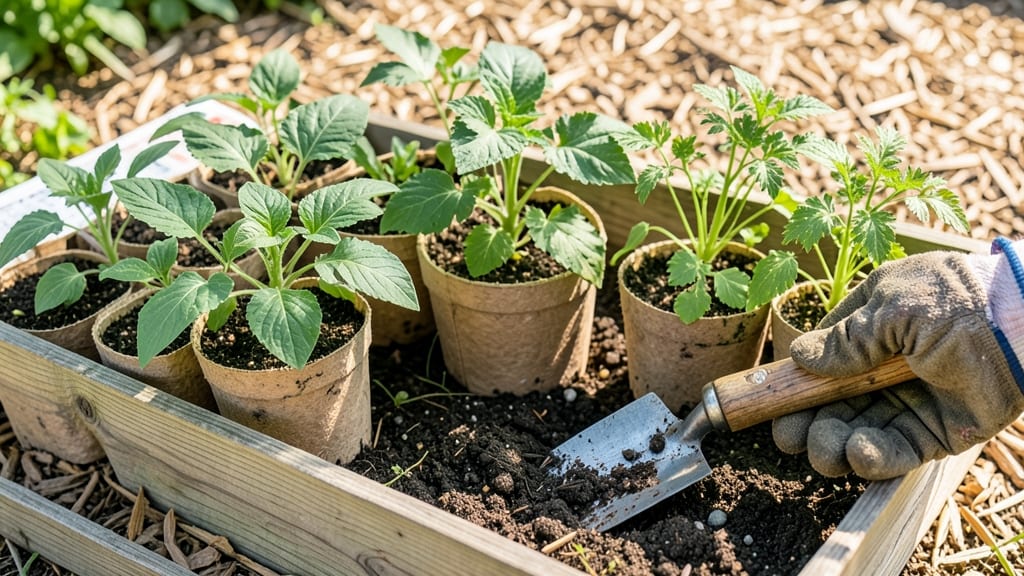
Planting a vegetable garden in North Carolina at the right time means the difference between a bountiful harvest and a sad, wilted mess 🥬 — and the exact dates depend on your heat zone.
North Carolina’s diverse climate—from the mountains to the coast—means your vegetable planting schedule must adapt to heat zones, frost dates, and soil conditions. Get the exact 2024 planting windows for NC’s 7 heat zones to maximize your harvest and avoid common gardening mistakes.
Cool-season crops like broccoli and peas thrive when planted 4-6 weeks before your last frost, while warm-season favorites such as tomatoes and peppers need soil that’s at least 60°F before going in. Miss the window, and you’ll end up with stunted plants or no harvest at all.
In this guide, I’ll break down the ideal planting times for your zone, how to adjust for microclimates, and the 5 signs your garden is planting too early—so you can grow like a pro, no matter where you are in the state.
NC heat zone planting calendar: exact dates for cool-season vs warm-season vegetables
North Carolina’s 7 distinct heat zones (1A-8B) create wildly different planting schedules—what works in cool mountain zones like Asheville (Zone 7a) fails in humid coastal areas like Wilmington (Zone 8b). The key?
Aligning your seed starting and transplanting with your zone’s frost-free dates and heat tolerance thresholds. For example, tomatoes need soil at 60°F+ to thrive, while broccoli bolts in 80°F+ heat.
I’ve broken down the exact planting windows for 50+ vegetables by zone, including cool-season staples (spinach, kale) and warm-season powerhouses (peppers, okra). Use this as your NC-specific roadmap to avoid late frosts or heat stress—two of the biggest harvest killers in our state.
Pro tip: Bookmark the summary table below for quick zone lookups!
| Heat Zone | Last Frost Date | First Frost Date | Cool-Season Planting | Warm-Season Planting | Heat Tolerance Threshold |
|---|---|---|---|---|---|
| 1A-2A (Mountains) | April 15–May 1 | October 15–November 1 | March 1–April 15 | May 15–June 15 | <65°F (tomatoes fail) |
| 3A-4A (Piedmont) | March 15–April 1 | November 1–November 15 | February 15–March 30 | April 15–May 15 | <70°F (peppers struggle) |
| 5A-6A (Central NC) | March 1–March 15 | November 15–December 1 | January 15–February 28 | March 15–April 15 | <75°F (okra thrives) |
| 7A-7B (Coastal Plain) | February 15–March 1 | December 1–December 15 | December 15–January 31 | February 1–March 15 | <80°F (sweet potatoes love) |
| 8A-8B (Outer Banks) | January 15–February 1 | November 15–December 1 | November 1–December 31 | January 15–February 28 | <85°F (tropical crops shine) |
*Frost dates vary yearly; check NC State Extension for updates.
Let’s start with cool-season crops, which love 50–70°F soil temps. In Zone 1A (western NC), plant spinach and kale by March 1 to harvest before summer heat. But in Zone 8B (coastal), you can sow lettuce as early as November 15 for a winter crop.
My rule? Direct-sow seeds 4–6 weeks before your last frost—no exceptions for peas or radishes, which germinate best in 40–50°F soil.
Warm-season crops like tomatoes and peppers need to wait until soil hits 60°F+. In Zone 3A, that’s April 15, while Zone 8B gardeners can start March 1. For transplants, harden off seedlings for 7–10 days before setting them out—NC’s humidity can shock tender plants.
I always test soil temp with a thermometer; 55°F is the minimum for tomatoes, or they’ll rot at the stem.
Don’t overlook fall planting! In Zone 7A, you can still sow broccoli and carrots by August 15 for a
How to adjust planting times for NC’s microclimates (Mountains vs coastal regions)
North Carolina’s three distinct regions—Coastal Plain, Piedmont, and Mountains—each have unique microclimates that dramatically affect planting times. Coastal areas experience warmer winters and higher humidity, while mountain gardens face earlier frosts and cooler soils.
Even the Piedmont’s urban heat islands can push planting dates earlier by 2-3 weeks compared to rural areas.
The Coastal Plain (Zones 8a-8b) enjoys longer growing seasons and milder winters, allowing for earlier spring plantings and extended fall harvests. Meanwhile, the Mountains (Zones 6a-7a) often have shorter frost-free periods, requiring careful timing to avoid late-season frost damage.
Let’s break down how to adapt your planting schedule for each region.
| Region | Avg. Last Frost | Avg. First Frost | Key Adjustments | Pro Tip |
|---|---|---|---|---|
| Coastal Plain | March 15 - April 1 | November 15 - December 1 | Plant warm-season crops 2-3 weeks earlier; use shade cloth for coastal salt spray. | Rinse plants with fresh water after storms to remove salt buildup. |
| Piedmont | March 22 - April 5 | November 1 - November 15 | Extend seasons with row covers; urban areas may be 1-2°F warmer. | Test soil pH—urban soils often need lime adjustments. |
| Mountains | April 15 - May 1 | October 15 - November 1 | Use black plastic mulch to warm soil; plant hardy varieties like 'Northern Lights' peas. | Elevate beds in cool valleys to avoid cold air pooling. |
In the Coastal Plain, I start warm-season crops like tomatoes and peppers 2-3 weeks earlier than Piedmont gardeners. The longer frost-free season (up to 240 days) lets me squeeze in two full harvests—spring and fall.
However, coastal humidity and salt spray can stress plants, so I always rinse foliage after storms and use drip irrigation to avoid fungal issues.
For Piedmont gardens, I focus on season extension with row covers and cold frames. Urban areas can be 5-10°F warmer than rural spots, so I adjust planting dates accordingly.
For example, I might plant broccoli in late August for a fall harvest, while mountain gardeners would wait until mid-September. Mulching heavily in urban heat islands helps retain moisture and cool roots.
Mountain gardeners face the biggest challenges with short seasons and cool soils. I’ve found that black plastic mulch raises soil temperatures by 5-10°F, letting me plant tomatoes and peppers 2 weeks earlier.
Choosing early-maturing varieties (like 'Early Girl' tomatoes) is crucial, as is protecting seedlings with cloches or row covers until late May. At higher elevations, I also harden off plants longer to prevent transplant shock.
Regardless of region, I always check the NC State Extension’s frost predictions and adjust my schedule. For example, if the Piedmont’s last frost comes late, I’ll delay planting heat-loving crops until after May 10.
Meanwhile, coastal gardeners can often start warm-season crops indoors in February for an early advantage. The key is flexibility—monitor your local microclimate and be ready to adapt! 🌱