
Planting
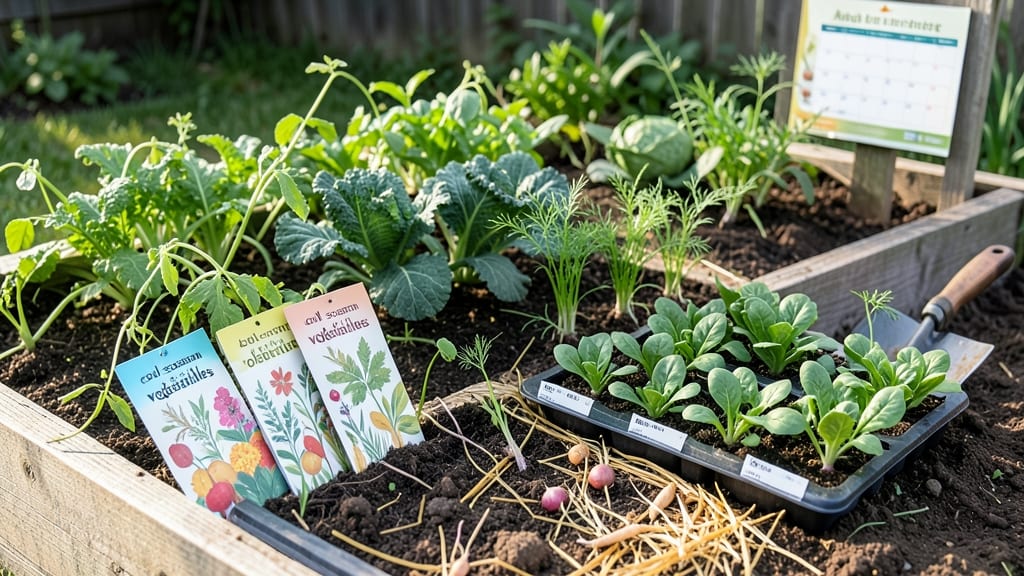
Planting a garden in North Dakota means timing your seeds to fit between 120 and 150 frost-free days—a window that rewards patience and precision.
North Dakota’s short growing season demands precision—plant too early and risk frost damage, too late and miss peak harvests. Timing your garden correctly can mean the difference between a thriving plot and wasted seeds.
In USDA Zones 3b-5a, your best bets are cool-season crops like peas and spinach in late April, followed by warm-season favorites once the soil warms in mid-May. But even then, a late frost can sneak up, so knowing your region’s last-average-frost date is the key.
Below, I’ll walk you through the exact planting schedule by crop type, plus proven tricks to stretch your season—whether you’re in Fargo, Bismarck, or the western plains.
North Dakota frost-free dates by region: when to start planting cool vs warm season crops
North Dakota’s USDA Hardiness Zones 3-5 create a challenging but rewarding gardening environment. With last frost dates ranging from mid-May in southern regions to late May in northern areas, timing is everything.
Cool-season crops like spinach and peas thrive in early spring, while tomatoes and peppers need warmer soil to establish roots.
Understanding your specific frost-free dates helps you avoid frost damage to tender seedlings. For example, Zone 3b (northern ND) has a 120-day growing season, while Zone 5a (southwestern ND) enjoys 150+ frost-free days. This difference impacts which varieties you can grow successfully.
Below is a region-by-region breakdown of when to plant cool-season vs warm-season crops, including early, mid, and late-season options. Use this as your guide to maximize your garden’s potential without risking late spring frosts or early fall freezes.
| Region (USDA Zone) | Avg. Last Frost | Cool-Season Planting Window | Warm-Season Planting Window | Example Crops |
|---|---|---|---|---|
| Northwest (Zone 3b-4a) | Mid-May | Early April (under cover) - Early May | Late May - Early June | Spinach, peas, kale, lettuce; tomatoes, peppers, beans |
| Central (Zone 4a-4b) | Early May | Mid-April (under cover) - Mid-May | Early May - Mid-June | Radishes, carrots, onions; cucumbers, squash, corn |
| Southeast (Zone 4b-5a) | Late April | Late March (under cover) - Late April | Mid-April - Early June | Broccoli, cabbage, beets; eggplants, okra, sweet potatoes |
| Southwest (Zone 5a) | Early May | Early April (under cover) - Early May | Late April - Mid-June | Peas, lettuce, spinach; tomatoes, peppers, melons |
Note: Always check your local Almanac for yearly variations in frost dates.
For cool-season crops, start seeds indoors 4-6 weeks before your region’s last frost date. For example, in Zone 3b, begin sowing spinach and peas indoors in early April to transplant outdoors by mid-May. These hardy vegetables can even handle light frosts once established.
Warm-season crops like tomatoes and peppers need soil temperatures above 50°F to germinate. In Zone 5a, wait until late April to start seeds indoors, then transplant after mid-May. Use row covers to protect young plants if nighttime temperatures dip below 55°F.
Choose early-season varieties for short-season areas (e.g., Bush Early Girl tomatoes mature in 55 days vs 80+ days for heirlooms). In Zone 4b, opt for quick-maturing crops like radishes (25 days) or bush beans (50 days) to ensure harvests before frost.
Extend your growing season by planting late-season varieties like Cold-Tolerant Kale or Winter Squash, which can handle light frosts. In Zone 3b, sow kale seeds in early July for a fall harvest before winter sets in.
Monitor soil temperature with a soil thermometer—most warm-season crops need 60°F+ soil to thrive. In northern ND, this may not happen until late May, so plan accordingly. Use black plastic mulch to warm soil faster if needed.
Pro tip: Keep a gardening journal to track your local frost dates and adjust planting times yearly. North Dakota’s climate varies significantly from year to year, so flexibility is key to a successful harvest.
Best month-by-month planting schedule for North Dakota gardens: what to sow each week
North Dakota’s 120-150 frost-free days mean every week counts. High-altitude areas like Bismarck (Zone 4a) have shorter seasons than Fargo (Zone 4b), so adjust your schedule accordingly. I’ve broken down the best weekly planting windows for April through September, including succession planting tips to maximize your harvest.
Start with cool-season crops like peas and spinach in late April, then transition to warm-season favorites like tomatoes and peppers after the last frost. For high-altitude areas, wait 1-2 weeks longer before planting heat-loving crops. Use row covers to extend early and late-season planting opportunities.
- 1 Late April: Sow peas, spinach, lettuce, radishes directly outdoors. Use row covers for early starts.
- 2 Early May: Plant onions, carrots, beets. Start tomato and pepper seedlings indoors for transplanting later.
- 3 Mid-May (after last frost): Transplant tomatoes, peppers, eggplants. Sow beans, cucumbers, squash directly outdoors.
- 4 June: Begin succession planting for lettuce, radishes, beans every 2 weeks. Add marigolds and basil to deter pests.
- 5 July: Plant late-season crops like kale, Swiss chard, and turnips. Sow flower seeds for fall blooms.
- 6 August: Extend harvests with succession plantings of radishes and lettuce. Start hardy flowers for fall color.
For high-altitude areas, delay warm-season crops by 1-2 weeks. For example, in Bismarck, wait until May 20 (instead of May 10) to plant tomatoes. In Fargo, you can start slightly earlier. Always check your local frost dates—they can vary yearly.
Use succession planting to keep your garden productive. For instance, sow radishes every 2 weeks from May through July for a continuous harvest. Lettuce and beans also respond well to staggered plantings. This technique ensures you’re always harvesting fresh produce, even as the season progresses.
Don’t forget to mulch your beds in late June to retain moisture and suppress weeds. This is especially critical in North Dakota’s dry summers. I recommend using straw or shredded leaves—they’re cost-effective and work well in our climate.
By following this schedule, you’ll make the most of North Dakota’s growing season and enjoy a bountiful harvest from spring to fall. Happy planting! 🌱