
Planting
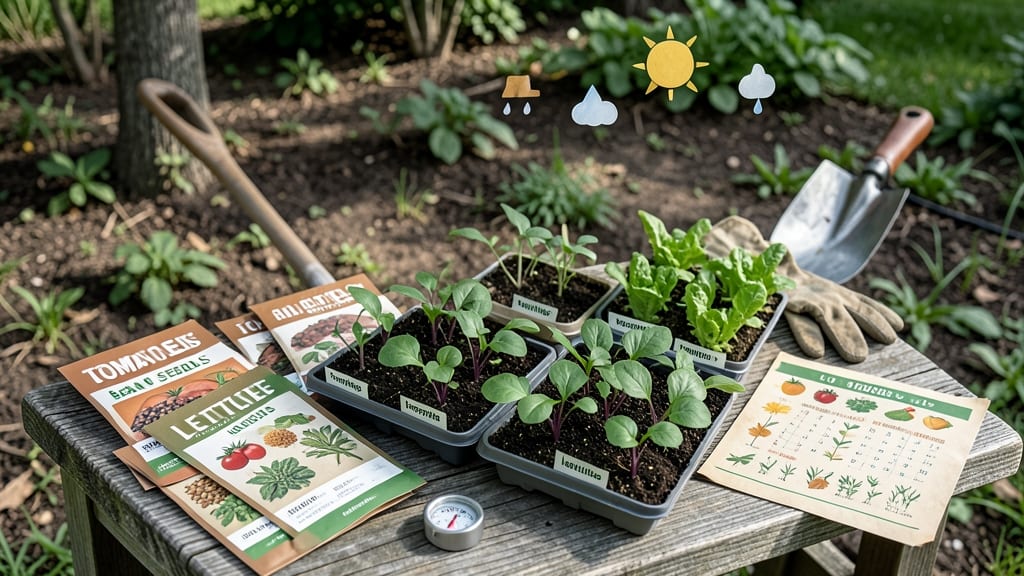
Planting a vegetable garden in Missouri at the right time means the difference between a flourishing harvest and wasted effort.
Missouri’s unpredictable weather can turn your vegetable garden dreams into a gamble—unless you plant at the perfect time. Missing these zone-specific deadlines means frost-killed seedlings or stunted harvests, but timing it right guarantees a bountiful yield.
With USDA zones ranging from 5b in the north to 7a in the south, your planting window shifts dramatically.
Cool-season crops like spinach and peas need to go in by March 15, while tomatoes and peppers wait until after the average last frost (April 15)—but that date varies by 50 miles.
Below, I’ll break down the exact months for your region, how to stretch the season with simple hacks, and which crops to prioritize for continuous harvests from spring to fall.
Missouri planting zones: exact last frost dates by region (2024 guide)
Missouri spans USDA zones 5b through 7a, creating dramatic differences in frost timing from north to south. In northern Missouri (zone 5b), the average last frost date arrives around April 15, while southern Missouri (zone 7a) typically sees its final frost by March 20.
These variations mean your cool-season crops like spinach and peas can go in weeks earlier in the Bootheel than in St. Louis.
Understanding your exact planting zone isn't just about frost dates—it determines when to start warm-season crops like tomatoes and peppers. Rural areas often have earlier last frosts than cities due to the "urban heat island" effect, so adjust your schedule if you're gardening in Kansas City or Columbia.
For precise timing, I recommend checking the Missouri Climate Center's frost maps annually, as patterns shift slightly each year.
Here’s how to use this guide: First, identify your zone using the USDA interactive map. Then, match your location to the last frost dates below.
For example, if you're in zone 6a (like Springfield), you’ll have 30 extra days of growing season compared to zone 5b gardeners in the northern Ozarks.
🌱
For cool-season crops like lettuce, spinach, and peas, I recommend planting 4-6 weeks before your last frost date. This gives seedlings time to establish roots before temperatures rise.
In zone 5b, that means starting seeds indoors by February 20, while zone 7a gardeners can direct-sow as early as February 1. Pro tip: Use row covers to extend these windows by 2-3 weeks if late frosts threaten.
Warm-season crops like tomatoes, peppers, and cucumbers need soil temperatures above 60°F to thrive. In northern Missouri (zone 5b), wait until May 1 to transplant seedlings, while southern Missouri (zone 7a) can start as early as March 15.
To speed up soil warming, lay down black plastic mulch 1-2 weeks before planting. This trick adds 5-10°F to soil temperature, giving you a head start on the season.
Urban gardeners in cities like St. Louis or Kansas City should account for microclimates. South-facing walls or rooftop gardens can be 5-10°F warmer than open fields, allowing you to plant 1-2 weeks earlier.
Conversely, low-lying areas or shaded spots may experience later frosts, so err on the side of caution. I always test soil temperature with a thermometer before planting warm-season crops—it’s the most reliable indicator.
Missouri’s first frost typically arrives between October 15 and November 1, depending on your zone. To squeeze in a fall harvest, plant heat-loving crops like okra and sweet potatoes by July 15 in northern zones or as late as August 15 in the south.
For cool-season crops, succession plant lettuce and radishes every 2 weeks from July through September to enjoy fresh greens until frost.
🌿
One common mistake I see is assuming all of Missouri has the same frost dates. For example, the Bootheel (zone 7a) can have 60+ frost-free days more than northern Missouri (zone 5b).
This means you can grow squash, melons, and corn successfully in the south but struggle with them in the north. Always check local records—your neighbor’s garden might not match your microclimate!
Best vegetables to plant in Missouri by season (with exact month-by-month schedule)
Missouri’s diverse climate means your vegetable garden can thrive year-round if you plant the right crops at the right time. Cool-season vegetables like spinach and peas love Missouri’s early spring and fall, while heat-loving crops such as tomatoes and peppers need the warmth of summer months.
By following this month-by-month schedule, you’ll avoid frost damage and maximize your harvest.
For northern Missouri (zones 5a-5b), start planting cool-season crops as early as March 15, while southern Missouri (zones 6a-7a) can begin 2-3 weeks earlier. Warm-season crops should wait until after the last frost date, typically mid-April to early May, depending on your location.
Let’s break down the best vegetables to plant each month for a continuous harvest.
- 🌱 March-April: Plant cool-season crops like peas, spinach, lettuce, and carrots. Start onions and broccoli indoors for transplanting later.
- 🌿 May: After last frost, sow warm-season crops such as tomatoes, peppers, and cucumbers. Plant beans and squash directly in the soil.
- ☀️ June-August: Focus on heat-tolerant vegetables like okra, sweet potatoes, and basil. Succession plant lettuce and radishes for fall harvests.
- 🌧️ September-October: Plant cool-season crops again for fall harvests, including kale, Brussels sprouts, and beets. Use row covers to extend the season.
One of my favorite tricks for a continuous harvest is succession planting. For example, sow lettuce every 2 weeks from April through August to ensure fresh greens all season long. Radishes are another quick crop—plant them every 3 weeks for a steady supply.
This method works especially well for bush beans and zucchini, too.
Missouri’s summer heat can be brutal for some vegetables, so choose heat-tolerant varieties like Malabar spinach or Swiss chard. If you’re growing tomatoes, opt for heat-resistant varieties such as ‘Heatmaster’ or ‘Solar Fire’.
Always mulch around plants to retain moisture and keep roots cool during peak summer months.
Don’t forget about fall planting—it’s a gardener’s secret to a second harvest! Kale, carrots, and turnips thrive in cooler temperatures and can be planted as late as mid-September.
Use row covers or cold frames to protect tender crops from early frosts, which can extend your growing season by 4-6 weeks.
By following this schedule, you’ll enjoy a bountiful garden from spring through fall, with minimal risk of frost damage or wasted effort. Happy planting—your future harvests will thank you! 🌱