
Planting
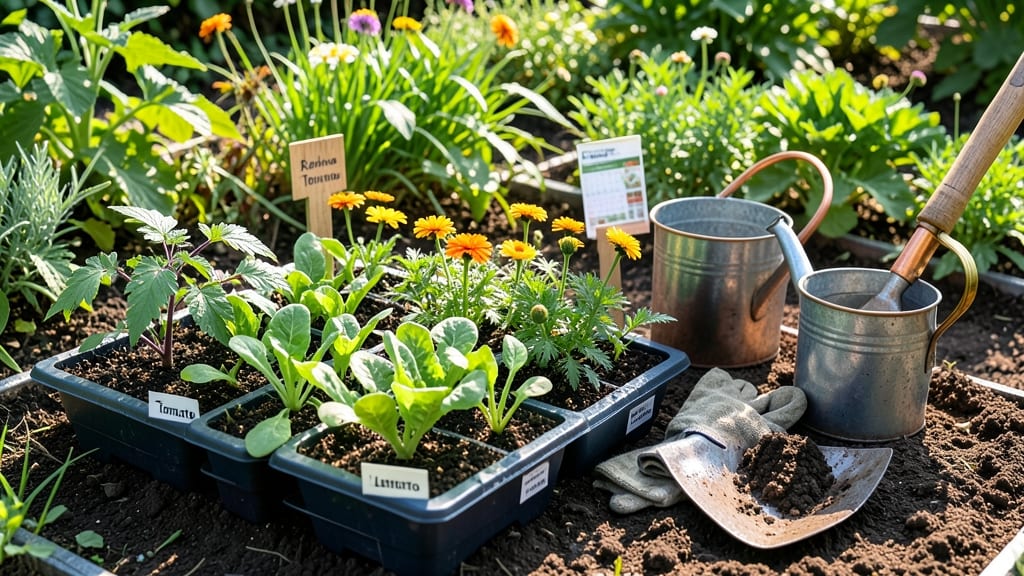
Planting a garden in Kentucky at the right time means the difference between a bumper crop and a sad, frost-nipped disappointment.
You’ve probably heard the rule: “Wait until after the last frost.” But in Kentucky’s 6a-7b zones, that’s not a one-size-fits-all answer—it’s a regional puzzle with last frosts ranging from mid-March in the Bluegrass to early April in the Jackson Purchase.
Timing isn’t just about avoiding frost; it’s about matching your 🌱 General Garden Plants to soil warmth and daylight. Too early, and your tomatoes will wilt; too late, and you’ll miss summer harvests.
The key is knowing your zone’s last frost date—and when to tweak for microclimates like urban heat islands or high-altitude valleys.
Here’s how to pinpoint your planting window by region, adjust for soil and weather quirks, and stretch your growing season like a pro—so your garden thrives from spring to fall.
Kentucky's last frost dates by region: critical planting windows explained
Kentucky's five distinct climate zones create unique planting windows that determine whether your tomatoes thrive or peas wilt. Understanding these last frost dates ensures you plant at the perfect moment—neither too early (risking frost damage) nor too late (missing peak harvests).
Each region's microclimate affects soil warmth and frost timing, so let's break it down.
For cool-season crops like onions, peas, and lettuce, timing is everything. Plant these 4-6 weeks before your region's last frost date. Meanwhile, warm-season plants such as tomatoes, peppers, and cucumbers need to wait until after the last frost and when soil temperatures reach at least 60°F.
Here’s how Kentucky’s five regions compare in terms of last frost dates and ideal planting windows:
In the Bluegrass region, where Louisville and Lexington gardeners thrive, your last frost date typically falls between March 25 and April 5. This means you can start planting cool-season crops as early as February 15, while tomatoes and peppers should wait until mid-April.
The Pennyrile region, including Paducah and West Kentucky, enjoys an earlier last frost—March 15 to March 25.
Here, you can plant spinach and peas as early as February 1, giving you a head start on the growing season. Warm-season plants like cucumbers and squash can go in by late March.
For Jackson Purchase, which includes Paducah and Henderson, the earliest last frost in Kentucky occurs—March 10 to March 20. This allows for exceptionally early planting of onions and broccoli in late January. However, tomatoes and peppers still need to wait until mid-March.
Gardeners in the Cumberland Plateau, around
How to adjust planting times for Kentucky's microclimates and soil types
Kentucky's varied landscapes—from the Bluegrass Region to the Cumberland Plateau—create unique growing conditions. Urban gardens in Louisville or Lexington may experience heat islands, while high-altitude areas like Pine Mountain face cooler temperatures. Understanding these microclimates lets you fine-tune planting times for success.
Soil type also plays a critical role. Clay-heavy soils in Western Kentucky drain poorly, while sandy loams in Eastern Kentucky dry out faster. Adjusting planting schedules based on soil moisture retention and warmth can mean the difference between thriving plants and struggling seedlings.
Even if your neighbor in a warmer microclimate plants their tomatoes in early April, your high-altitude garden may still face late frosts. Use a soil thermometer—most vegetables need soil temps of 60°F+ to germinate properly. In Zone 6a (e.g., Pine Mountain), wait until May 1 for warm-season crops like peppers and eggplants.
For urban gardens, consider the heat island effect. Pavement and buildings can raise temperatures by 5-10°F, allowing you to plant warm-season crops like okra or sweet potatoes 1-2 weeks earlier than rural areas. Monitor local weather stations and adjust your schedule accordingly.
High-altitude areas like Pine Mountain (over 3,000 feet) have shorter growing seasons. Use row covers or cold frames to extend your spring planting window by 3-4 weeks. These tools can raise soil temperatures by 5-8°F, helping cold-sensitive plants like cucumbers or squash get a head start.
If you're dealing with clay-heavy soils, amend the soil with compost or sand to improve drainage. Plant cool-season crops like kale or carrots in early spring when the soil is still cool and moist.
For warm-season crops, wait until the soil has warmed up and consider using raised beds to prevent waterlogging.
Finally, don’t forget about fall planting. In Kentucky, you can often extend your growing season into October or November by planting cool-season crops like spinach or radishes 6-8 weeks before your first frost date. Use mulch to insulate the soil and protect young plants from temperature swings.