Planting
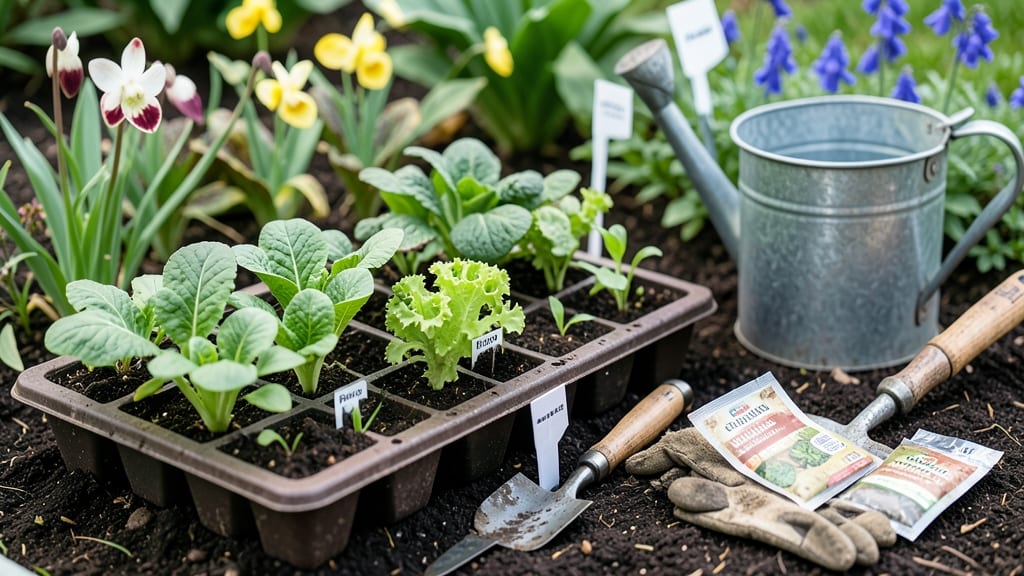
Planting a garden in North Carolina requires knowing when to start seeds or set out transplants to match your USDA Zone 5b–8a and avoid frost or heat stress.
If you’ve ever rushed to plant only to watch seedlings wilt in a late frost—or missed the window and ended up with bolting lettuce—you know timing is everything. North Carolina’s climate shifts dramatically from the mountains to the coast, so a one-size-fits-all approach won’t work.
Below, I break down the exact warmth thresholds for cool-season crops (like spinach and peas) and warm-season favorites (tomatoes and peppers), plus how to adjust for microclimates in your area.
Whether you’re in the Piedmont, Coastal Plain, or Mountains, these zone-specific start dates will help you plan for a risk-free harvest.
You’ll also discover how to read soil temperature cues, use local frost data, and fine-tune your schedule for raised beds or greenhouses. Ready to grow with confidence? Let’s get started.
NC planting calendar by Zone: exact warmth thresholds for vegetables, flowers, and herbs
North Carolina spans USDA Zones 5b through 8a, creating wildly different planting windows from the Blue Ridge Mountains to the Coastal Plain. Unlike generic calendars, your success depends on soil temperature thresholds—not just dates.
For example, peas thrive at 40°F soil, while cucumbers need 60°F+. Let’s break down the exact windows for your zone.
First, identify your region: Zone 5b (Mountains) has later last-frost dates (April 15–May 1), while Zone 8a (Coastal Plain) often sees frost-free soil by February 15. The Piedmont (Zone 7a) falls in between, with average last frosts around March 20. Use these soil temperature triggers to time your planting:
| Plant Type | Zone 5b (Mountains) | Zone 7a (Piedmont) | Zone 8a (Coastal) | Soil Temp Threshold |
|---|---|---|---|---|
| Cool-Season Veggies (Spinach, Broccoli, Lettuce) | March 15–April 15 | February 20–March 30 | January 15–February 20 | 40–50°F |
| Warm-Season Veggies (Tomatoes, Peppers, Cucumbers) | May 1–May 15 | April 15–April 30 | March 1–March 15 | 60–70°F |
| Herbs (Basil, Cilantro, Dill) | May 10–June 1 | April 20–May 10 | March 10–April 1 | 55–65°F |
| Perennial Flowers (Daylilies, Coneflowers) | April 1–April 15 | March 15–March 30 | February 1–February 15 | 50–55°F |
| Fall Crops (Kale, Radishes, Carrots) | July 15–August 1 | July 1–July 15 | June 15–July 1 | 55–60°F |
For Zone 5b gardeners in the mountains, like those in Asheville or Boone, wait until soil reaches 50°F before planting cool-season crops. Use a soil thermometer to avoid false starts—frost can linger into May at higher elevations.
In Zone 7a (Piedmont), like Raleigh or Greensboro, you can plant peas and spinach as early as February 20 if soil warms to 40°F.
Coastal Zone 8a gardeners in Wilmington or Morehead City enjoy the earliest starts. Tomatoes and peppers can go in by March 1 if soil hits 60°F. However, heat-sensitive crops like basil may need afternoon shade until May.
Always check NC State Extension’s frost maps for your exact location—some coastal areas see frost-free soil by January 15!
Pro tip: Direct-sow seeds when soil temps match the plant’s needs—transplants can’t wait. For example, broccoli transplants need 50°F+ soil, but seeds tolerate cooler temps.
Use black plastic mulch to warm soil faster in cooler zones. In Zone 5b, this can shave 2–3 weeks off your planting window.
Don’t forget fall planting! In Zone 8a, you can sow kale and carrots until October 15 for winter harvests. In Zone 5b, aim for July 15–August 1 to avoid early frosts. Use row covers to extend your season by 3–4 weeks in all zones.
For herbs like basil, wait until nighttime temps stay above 50°F—even in Zone 8a. Coastal gardeners can start cilantro in February, but it bolts quickly in summer heat. Dill is more heat-tolerant and can handle Zone 7a’s April plantings without bolting.
Use these soil temperature triggers to override generic calendars. A 40°F soil in Zone 5b might be 50°F in Zone 8a by the same date. Always test your soil with a thermometer—it’s the only way to know for sure. Happy planting!
🌱
How to adjust planting dates for NC’s microclimates: mountains vs. coastal vs. Piedmont
North Carolina’s microclimates create dramatic differences in planting windows—just a 10-mile elevation gain can delay your spring planting by 2-4 weeks. In the mountains (Zone 5b-6a), frost lingers until May 15, while coastal areas like Wilmington (Zone 8a) can safely plant tomatoes in March.
Understanding these shifts ensures your garden thrives without wasted effort.
Your location’s elevation and proximity to water bodies dramatically alter soil warmth and frost risk. For example, Asheville’s high altitude keeps soils 10°F cooler than Raleigh’s Piedmont, meaning cool-season crops like lettuce should wait until April 1 instead of March 15.
Meanwhile, coastal heat islands like Morehead City can start warm-season plants like peppers 3 weeks earlier than inland areas.
Comparison of NC Microclimates and Planting Adjustments
For urban gardens or raised beds, microclimates can be even more extreme. A south-facing wall might add 2 weeks to your growing season, while a shady backyard could delay planting by 10 days.
Always check local frost data from NC State Extension—their Frost Advisories provide hyper-local adjustments for county-specific planting windows.
If you’re growing in a greenhouse, extend your season by 4-6 weeks in cooler zones, but monitor soil temps closely—even heated greenhouses can experience cold snaps.
Use row covers for early spring protection in Zone 6 areas like Asheville, and avoid planting heat-loving crops like okra until after May 10 in Zone 7b.
Pro tip: Use the “potato trick” to test soil warmth—bury a raw potato in your garden bed. If it sprouts in 10 days, your soil is ready for warm-season plants. This method works especially well in coastal areas where soil warms faster than air temperature suggests.
Adjust your planting dates based on your microclimate, and your NC garden will reward you with bountiful harvests all season long. Start with these region-specific guidelines, then fine-tune with local observations—your plants will thank you! 🌱