
Planting
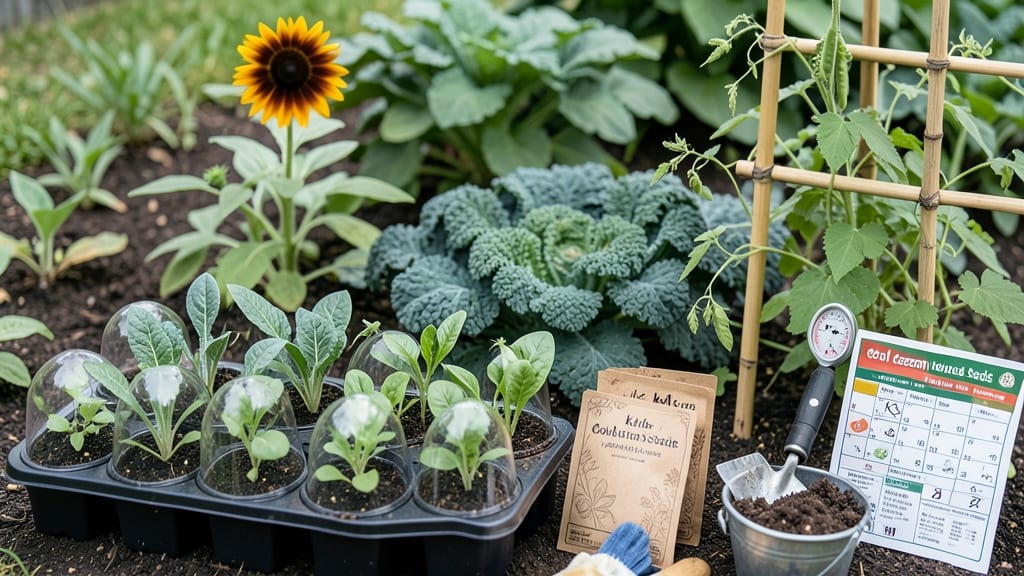
Planting a garden in Minnesota means timing your 🌱 crops to avoid late frosts and short growing seasons—but the right window can turn a risky gamble into a bountiful harvest.
Minnesota’s unpredictable frost dates can turn gardening dreams into guesswork—but timing your plantings just right means the difference between a thriving harvest and a sad, frozen seedling. Here’s your zone-by-zone guide to planting for frost-free success, backed by local climate data and expert tips.
From USDA Zones 3a to 5b, knowing when to start seeds indoors (as early as March) versus planting outdoors (late April to mid-June) is the key to beating Minnesota’s short 120–160 frost-free days. Miss the window, and you’ll end up with stunted veggies or bolted greens.
Below, I’ll walk you through the exact deadlines for cool-season crops (like spinach and peas) versus warm-season favorites (tomatoes and peppers), plus how to adjust for late springs or early frosts. Ready to grow?
Minnesota planting zones explained: when to start seeds indoors vs. outdoors
Minnesota spans USDA Hardiness Zones 3a to 5b, meaning frost dates vary dramatically—from mid-May in Zone 3 to early June in Zone 5. These differences dictate whether you’ll start seeds indoors or plant directly outside, and which crops can handle Minnesota’s short 120-160 frost-free days.
Understanding your zone isn’t just about timing; it’s about survival for heat-loving plants like tomatoes and peppers.
In Zone 3, gardeners must start cool-season crops like spinach and peas indoors by March 1 to transplant outdoors after the last frost.
Meanwhile, Zone 5 gardeners have a slightly longer window, but even there, warm-season crops like cucumbers and beans need to be started indoors by April 15 to avoid late frosts. The key? Knowing your exact last frost date and adjusting for microclimates (urban areas warm up faster than rural zones).
Here’s the critical rule: Cool-season crops (lettuce, kale, carrots) can often be planted directly outdoors 4-6 weeks before the last frost, while warm-season crops (tomatoes, peppers, squash) must wait until 2 weeks after—or risk frost damage.
For example, in Zone 4, that means late May for cool crops and early June for warm crops.
🌱
| USDA Zone | Last Frost Date | Indoor Start (Warm Crops) | Outdoor Plant (Cool Crops) | First Frost Date |
|---|---|---|---|---|
| Zone 3a | Mid-May | March 15 | April 15 | Mid-Sept |
| Zone 4a | Late May | March 25 | April 25 | Early Oct |
| Zone 4b | Early June | April 1 | May 1 | Late Sept |
| Zone 5a | Early June | April 10 | May 10 | Mid-Oct |
| Zone 5b | Late May | April 1 | April 25 | Early Oct |
*Dates based on 30-year averages; check UMN Extension for local updates.
For cool-season crops, like broccoli and radishes, you can often plant directly outdoors 4-6 weeks before the last frost. In Zone 3, that’s late March to early April, while Zone 5 gardeners can start as early as mid-April.
These crops thrive in cooler temperatures and can even tolerate light frosts, making them ideal for Minnesota’s early spring.
Warm-season crops, however, are a different story. Tomatoes, peppers, and eggplants need soil temperatures above 60°F and consistent warmth to germinate. That’s why I always start these indoors 6-8 weeks before the last frost—so they’re ready to transplant 2 weeks after.
For example, in Zone 4, that means starting tomatoes indoors by April 1 and transplanting them after May 20.
One common mistake I see is planting warm-season crops too early and then watching them wilt in a late frost. To avoid this, use row covers or cold frames to protect young plants if frost threatens.
For Zone 3 gardeners, this is almost a necessity—even hardy varieties like bush beans
Best vegetables to plant in Minnesota by month (with frost-proofing tips)
Minnesota’s short growing season demands precision—plant too early, and frost zaps tender seedlings. Too late, and you miss the harvest window. The key is matching vegetable hardiness to frost dates (typically May 15 for last spring frost and September 15 for first fall frost).
Here’s my month-by-month breakdown for tomatoes, peppers, lettuce, and cold-hardy greens, plus frost-proofing hacks to steal a few extra weeks.
Start with cool-season crops like spinach, kale, and peas in early spring (April) when soil hits 40°F. These thrive in 50°F soil and tolerate light frosts. For warm-season lovers (tomatoes, peppers, cucumbers), wait until after May 15—or use row covers to jumpstart planting by 2-3 weeks.
Fall planting? Broccoli, carrots, and radishes can handle 30°F temps, so sow by July 15 for a late harvest.
- April: Direct-sow peas, spinach, lettuce (soil 40°F). Start onions, leeks indoors.
- May: Plant potatoes, radishes, beets after last frost. Use row covers for cabbage, broccoli to extend season.
- June: Transplant tomatoes, peppers, eggplants (soil 60°F). Succession-sow bush beans, zucchini every 2 weeks.
- July: Direct-sow fall crops (kale, carrots, radishes). Protect with cold frames for early harvests.
- August: Plant garlic, spinach, arugula for fall/winter harvest. Mulch potatoes to prevent frost heave.
- September: Extend season with low tunnels for lettuce, herbs. Harvest tomatoes, peppers before frost.
Pro tip: Row covers (floating fabric tunnels) add 4-6°F protection and let you plant 2-3 weeks earlier. For tomatoes and peppers, use black plastic mulch to warm soil 5-10°F faster—critical in cold springs.
In Zone 3, opt for early-maturing varieties (e.g., ‘Early Girl’ tomatoes, ‘Sweet Banana’ peppers) to beat frost.
Watch for false springs—those 60°F days in March can trick plants into blooming, only to be fried by a 20°F dip. Harden off seedlings gradually (5 days outdoors) and monitor MN State University’s frost alerts.
If frost threatens, drape old bedsheets over plants or use cloche bells for 1-2°F protection.
Fall planting is your secret weapon. Spinach, kale, and carrots taste sweeter after a light frost, and garlic planted in October yields 2x larger bulbs. Use straw mulch (4-6 inches) to insulate roots and keep soil 10°F warmer than bare ground.
For herbs like parsley and cilantro, sow in late summer—they’ll bolt in heat but thrive in cool September.
Remember: Soil temperature matters more than air temperature. Use a soil thermometer—most vegetables need 50-60°F soil to germinate. If your Zone 4 garden feels risky, try container gardening: move pots indoors before frost or use heat mats for early starts.
With these tweaks, you’ll turn Minnesota’s short season into a bountiful harvest—no guesswork required. 🌱