
Planting
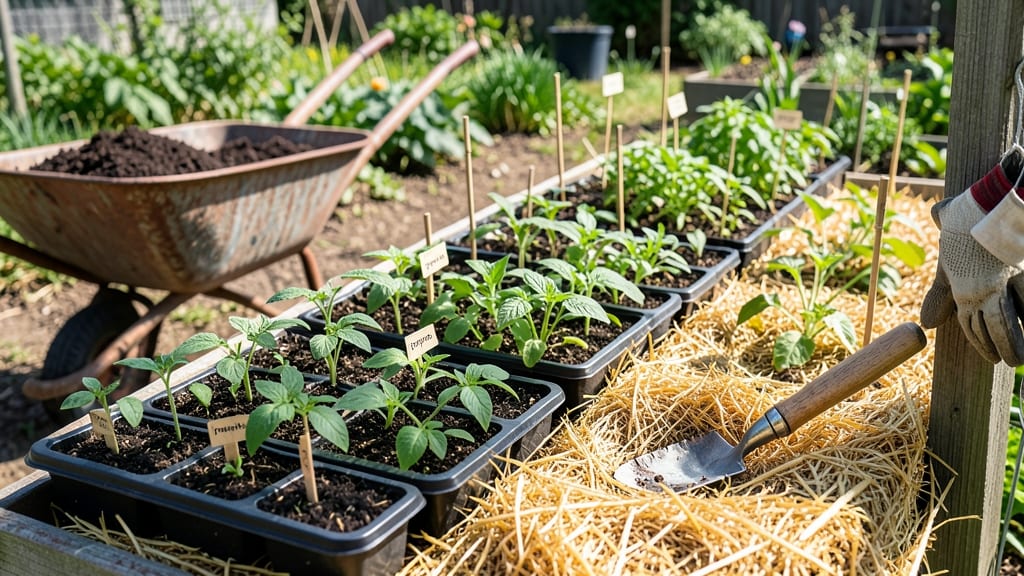
Planting a garden in Michigan at the right time means the difference between a bountiful harvest and a sad pile of frost-nipped seedlings 🌱.
Michigan’s unpredictable climate can turn gardening dreams into frostbitten failures—or lush harvests—depending on when you plant. Timing isn’t just about avoiding late frosts; it’s about matching each crop to its ideal window for maximum yield and health.
With USDA zones 5b-6b and frost-free windows stretching from mid-April to mid-June, knowing the exact moment to dig in is everything. Get it wrong, and you’ll miss the sweet spot for tomatoes, peppers, and other heat-lovers—or watch your cool-season crops bolt before they mature.
Below, I break down the critical planting windows by zone, crop type, and even soil temperature—plus how to adjust when Michigan’s weather throws curveballs. No more guessing, just confident planting that delivers results.
Michigan’s frost-free dates by Zone: critical planting windows for vegetables
Michigan’s USDA hardiness zones 5, 6, and 7 create distinct planting windows that can make or break your garden’s success. In Zone 5 (northern Michigan), the last frost date typically falls around May 15, while Zone 6 (central/southern) sees frost-free conditions by May 1.
Zone 7 (southeast Michigan) enjoys an earlier window, often by April 20. These dates aren’t set in stone—late frosts can still strike in May, so always check NOAA forecasts or local Michigan State University Extension alerts before planting heat-loving crops like tomatoes or peppers.
Understanding these zones helps you avoid common mistakes, like planting cucumbers too early in Zone 5 or rushing eggplants in Zone 6 before the soil warms. The key is matching your crop’s heat requirements with your zone’s frost-free window.
For example, tomatoes need 50°F soil and 60+ days of warm weather, while spinach thrives in cooler 50-65°F conditions and can handle light frosts. Timing isn’t just about dates—it’s about soil temperature, daylength, and microclimates (like urban heat islands or protected garden beds).
Comparison of Michigan’s frost-free zones and planting windows:
| Zone | Avg. Last Frost | Avg. First Frost | Frost-Free Days | Ideal Planting Window | Heat-Loving Crops |
|---|---|---|---|---|---|
| Zone 5 (Northern MI) | May 15 | October 1 | 130-150 days | May 20 - June 15 | Tomatoes, Peppers, Corn |
| Zone 6 (Central/Southern MI) | May 1 | October 15 | 150-170 days | April 25 - June 10 | Peppers, Eggplants, Okra |
| Zone 7 (Southeast MI) | April 20 | October 30 | 170-180 days | April 15 - June 5 | Sweet Potatoes, Melons, Basil |
For Zone 5 gardeners, the 130-day frost-free season means you’ll need to prioritize fast-maturing varieties like bush beans (50 days) or early tomatoes (60 days).
In Zone 6, you gain an extra month, allowing for two plantings of heat lovers: one in early May and a second in late June for fall harvests.
Meanwhile, Zone 7 gardeners can push the envelope with longer-season crops like zucchini (55 days) or even squash (90 days) by starting seeds indoors in March.
Pro tip: Use row covers or cold frames to extend your Zone 5 planting window by 2-3 weeks. I’ve successfully planted pepper seedlings under floating row covers in early May, giving them a head start before removing the cover once nighttime temps stay above 50°F.
For Zone 6 and 7, consider succession planting every 2 weeks for crops like lettuce or radishes to ensure a steady harvest. Always pair your planting dates with soil temperature checks—a soil thermometer is your best friend for avoiding cold soil shocks.
Heat-loving crops like tomatoes, peppers, and cucumbers demand consistent warmth, so don’t rush them. In my Zone 6 garden, I wait until May 15 to transplant pepper seedlings, even if the air feels warm earlier.
The soil needs to stay above 60°F for at least a week to prevent blossom end rot in tomatoes. For slow starters like eggplants, I use black plastic mulch to warm the soil faster and plant them by May 20 in Zone 6.
Local weather data is your secret weapon. Check NOAA’s climate normals for your specific county to find historical frost
Best crops to plant in Michigan by month: a seasonal timeline for success
Michigan’s cool, short growing season demands precision timing to maximize harvests. Cool-season crops like spinach and kale thrive in spring and fall, while warm-season crops such as tomatoes and peppers need summer’s warmth. Understanding these windows ensures you avoid frost damage and enjoy continuous yields.
Start with early spring planting (March–April) for hardy greens like peas and lettuce. These crops tolerate light frosts and can even be planted 6–8 weeks before the last expected frost date. Meanwhile, warm-season crops like beans and squash wait until after the last frost (typically mid-May in most of Michigan).
Extend your season with protective covers like row covers or cold frames. These tools let you plant 4–6 weeks earlier in spring or 2–3 weeks later in fall. For example, cold frames can protect lettuce and kale until November in southern Michigan.
Succession planting is key for continuous harvests. Instead of planting all your radishes or beans at once, sow new seeds every 2–3 weeks during the growing season. This ensures a steady supply of fresh produce and prevents overproduction.
For warm-season crops, like tomatoes and peppers, consider starter plants from local nurseries. These give your plants a head start and help them outpace late spring frosts. Transplant them after the last frost, typically mid-May to early June, depending on your zone.
Plan ahead by checking Michigan State University Extension for your local frost dates. Adjust planting times based on soil temperature (use a soil thermometer) and weather forecasts. With the right timing, you’ll enjoy a bountiful harvest from spring to fall! 🌿