
Planting
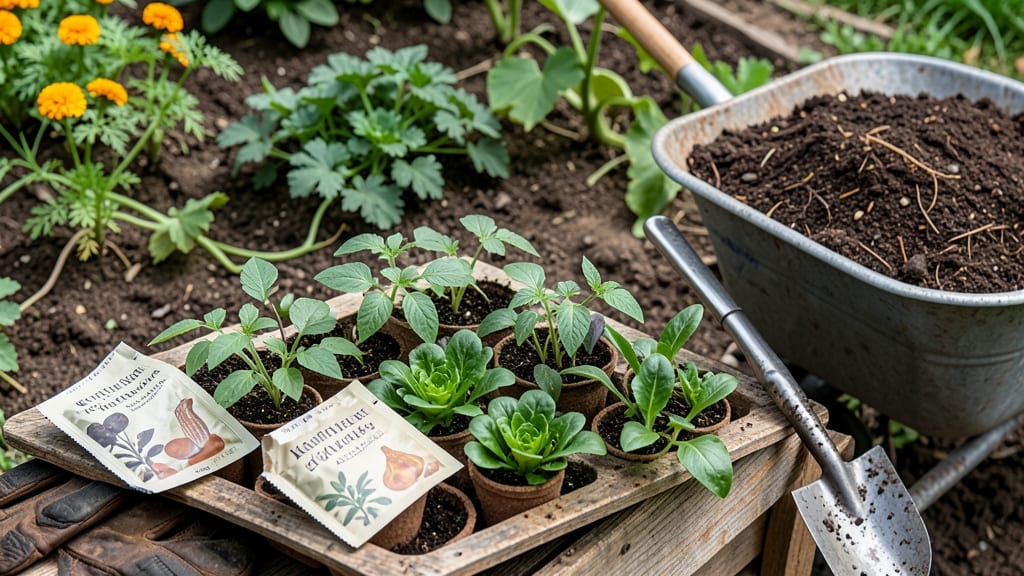
Planting a garden in Kentucky means timing your crops to avoid late frosts and maximize summer harvests—aim for mid-April to early June for most cool-season plants.
Kentucky’s temperate climate means your garden’s success hinges on timing—plant too early and risk frost damage, too late and miss peak harvests.
With USDA Zones 5b/6a offering a narrow window for optimal growth, knowing the exact deadlines for each crop can mean the difference between a thriving garden and a disappointing one.
Cool-season crops like lettuce and peas thrive when soil temperatures hit 40°F, while warm-season favorites such as tomatoes and peppers need to wait until after the average last frost date—usually mid-April in most regions.
But don’t stop there: fall planting for greens and root vegetables starts as early as mid-August to beat the first frost.
Below, I break down the best planting windows for Kentucky’s most popular crops, including how to adjust for microclimates and soil conditions—so you can grow like a pro, not a guesser.
Kentucky planting deadlines by crop type: cool-season vs warm-season schedules
Kentucky gardeners know timing is everything—especially with our USDA Zones 5b/6a and unpredictable spring frosts. The difference between a bountiful harvest and a failed crop often comes down to planting at the right moment.
Cool-season crops like lettuce thrive in spring and fall, while warm-season crops such as tomatoes need consistent warmth to germinate.
For Louisville, Lexington, and Bowling Green, the average last frost date falls around mid-April, and the first frost typically arrives by late October. However, microclimates—especially in mountainous regions—can shift these dates by 1-2 weeks. Let’s break down the exact planting windows for Kentucky’s most popular crops.
Pro Tip: Use row covers or cold frames to extend cool-season planting by 2-3 weeks in spring or 4-6 weeks in fall. This is especially useful for warm-season crops like peppers that struggle with Kentucky’s cool nights.
| Crop Type | Spring Planting Window | Fall Planting Window | Key Notes for Kentucky |
|---|---|---|---|
| Cool-Season Vegetables | Mid-March to mid-April (direct sow) or start indoors in February | Late July to early September (direct sow) | Examples: Lettuce, spinach, kale, peas. Use row covers for late fall planting. |
| Warm-Season Vegetables | After last frost (mid-April) or use transplants in early May | N/A (harvest before frost) | Examples: Tomatoes, peppers, cucumbers. Soil temp must be 60°F+. |
| Herbs (Cool-Season) | Early March to April (parsley, cilantro) | Late August to September (dill, chives) | Avoid frost-sensitive herbs like basil until after last frost. |
| Flowers (Annuals) | Late April to May (after frost risk) | Late July to August (for fall blooms) | Marigolds and zinnias tolerate heat well; petunias need cooler temps. |
| Perennials | Early spring (March) or fall (October) | Early fall (September-October) | Establish roots before winter dormancy. Avoid planting in extreme heat. |
For cool-season crops, I recommend starting seeds indoors 6-8 weeks before the last frost date to give them a head start. For example, broccoli and cabbage can be transplanted outdoors in early April if you begin them in February.
This extra time helps them outpace weeds and avoid bolting from Kentucky’s unpredictable heat waves.
Warm-season crops like tomatoes and peppers are trickier in Kentucky because our nights stay cool even after the last frost. To succeed, I always harden off transplants for 10-14 days before planting and choose heat-tolerant varieties like 'Celebrity' tomatoes or 'Jalapeño M' peppers.
These varieties can handle temperatures down to 50°F without stunting.
One of my biggest lessons learned? Don’t rush warm-season crops just because the calendar says it’s safe. Wait until the soil temperature consistently stays above 60°F—use a soil thermometer to check. In Louisville, this often means waiting until late May for peppers and eggplants to avoid blossom drop.
For fall planting, focus on cool-season crops that mature quickly, like radishes (25 days) or bush beans (50 days). I’ve had great success with kale and carrots planted in late July—they’re ready for harvest before the first frost in October.
Just be sure to extend the season with row covers if you’re pushing the timeline.
Kentucky’s humidity and clay soil can also affect planting times. If your soil stays waterlogged in spring, wait until it’s dry enough to crumble before planting. Amend with compost or sand to improve drainage, especially for root crops like potatoes, which rot in soggy soil.
Remember, these deadlines are guidelines, not rules. Keep a gardening journal to track your local frost dates and adjust future years. For instance, my Lexington garden experienced a late frost in May 2022, so I shifted my tomato planting to June that year—and still got a great harvest!
🌱
How to adjust planting times for Kentucky’s microclimates and soil conditions
Kentucky’s diverse geography—from the Appalachian Mountains to the Bluegrass Region—creates microclimates that can shift planting times by weeks. For example, Lexington’s urban heat island may warm up faster than rural Henderson County, while higher elevations like Mountain Parkway can experience late spring frosts well into May.
Adjusting your schedule based on these factors ensures your plants thrive.
Soil conditions add another layer of complexity. Clay-heavy soils in western Kentucky retain moisture but can stay too cold for warm-season crops, while sandy loams in central regions warm up faster. Testing your soil’s drainage and pH (aim for 6.0–7.0) helps you fine-tune when to plant.
For instance, tomatoes need soil at 60°F+, but clay soils may need black plastic mulch to reach that temperature sooner.
⚠️ callout warning ⚠️
⚠️ Kentucky’s Unpredictable Spring Frosts
Even after the average last frost date (mid-April), late frosts can strike—especially in northern Kentucky. Use these 3 rules to protect your garden:
- Wait until May 1 for heat-loving crops like peppers and eggplants in Zone 5b.
- Monitor the National Weather Service’s frost advisory for your county.
- Use row covers or cold frames to extend the season by 2–4 weeks.
🌱 Pro Tip: Plant cool-season crops like spinach or kale in late summer for a fall harvest before first frost (late October).
To account for urban vs. rural heat islands, observe your local conditions for 1–2 years. Urban areas like Louisville can be 5–10°F warmer than nearby farms, allowing you to plant warm-season crops 10–14 days earlier.
Conversely, shaded or north-facing gardens may need slow-growing varieties or season extenders.
For soil drainage challenges, amend heavy clay with compost or sand to improve warmth retention, while sandy soils benefit from organic matter to hold moisture. Test your soil’s moisture retention by digging a hole—if water drains in under 2 hours, add peat moss.
Well-draining soil warms up 2–3 weeks faster in spring, giving you an earlier start.
Extend your growing season with low-tech tools like row covers (which add 5–10°F of protection) or cold frames (ideal for leafy greens and herbs).
In my Zone 6a garden, I’ve used floating row covers to plant broccoli in early April and basil in late May, pushing harvests by 3–4 weeks.
Finally, keep a planting journal to track your microclimate’s quirks. Note when soil reaches 50°F (safe for cool-season crops) or 60°F (ideal for tomatoes), and adjust future years accordingly. With these tweaks, you’ll maximize Kentucky’s short growing season and enjoy bountiful harvests year after year. 🌿