
Planting
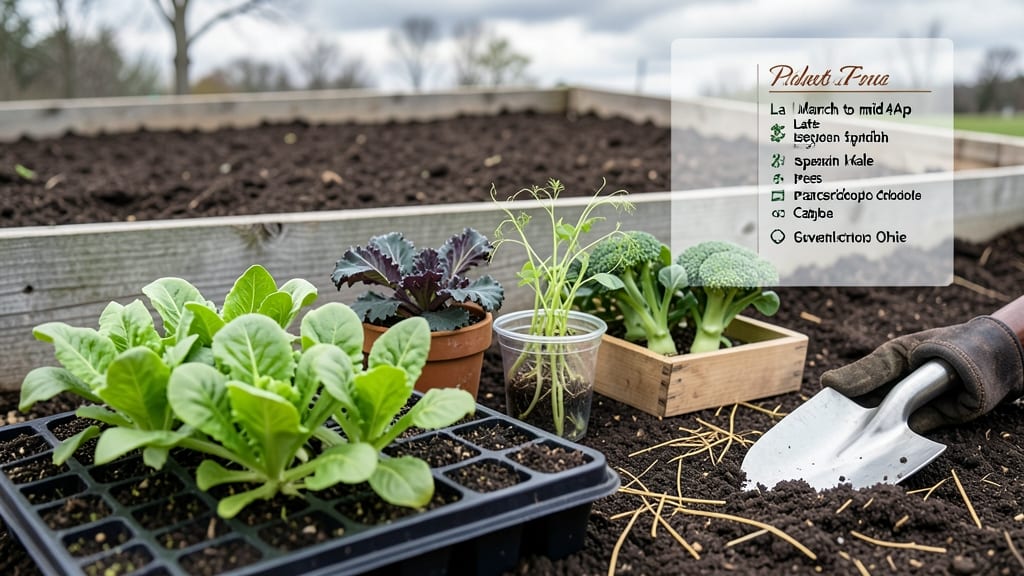
Planting a garden in Cleveland, Ohio, means timing your 🌱 seeds and seedlings to the 165-day frost-free window—or risk losing everything to a late freeze.
Cleveland’s unpredictable spring weather can turn a gardener’s dreams into a frozen nightmare—or a thriving harvest—if you don’t plant at the perfect time.
Zone 6a’s last frost typically arrives around April 15, but that’s just the starting line. Warm-season crops like tomatoes and peppers need to wait until two weeks after the frost date, while cool-season greens can handle a light frost.
Below, I’ll break down the exact planting calendar for Cleveland, plus how to adjust for microclimates, extend your season, and avoid common mistakes—so you can grow a garden that thrives, not wilts.
Cleveland’s frost-free timeline: exact planting dates by season
Cleveland’s Zone 6a/6b climate creates a 165-day frost-free window that determines your gardening success. Based on NOAA historical data, the average last frost date falls between April 15 and May 1, while the first frost typically arrives between October 15 and November 1.
These dates mark the boundaries for planting both cool-season and warm-season crops.
Understanding these critical frost dates helps you avoid the heartbreak of frost-killed seedlings or overwintering tender plants. For example, planting tomatoes too early in April risks frost damage, while waiting until after May 1 ensures they thrive.
Similarly, spinach and kale can handle light frosts, making them ideal for early spring or fall planting.
Here’s your Cleveland planting timeline broken down by season, with exact dates and crop recommendations to maximize your harvest.
For cool-season crops, start seeds indoors 4–6 weeks before your last frost date (around March 15) to give them a head start. Hardy vegetables like spinach and peas can even handle light frosts, making them perfect for early spring planting.
By contrast, warm-season crops like tomatoes and peppers need consistent warmth, so wait until after the May 1 average last frost date.
Cleveland’s lake-effect weather can delay spring warming, so always check local forecasts and use frost cloths as a safety net. I’ve learned the hard way that a late April frost can wipe out unprotected seedlings—so plan ahead!
For example, if you’re eager to plant basil, wait until soil temperatures hit 55°F or higher, usually around May 10.
In fall, extend your growing season by planting cool-season crops like kale and Brussels sprouts in late July or early August. These crops thrive in cooler weather and can even sweeten after frost.
For perennials like asparagus or rhubarb, plant crowns in early spring or fall for established roots before winter dormancy.
How to adjust planting dates for Cleveland’s microclimates and unpredictable weather
Cleveland’s lake-effect snow and temperature swings can throw off even the most experienced gardener. While the average last frost date is April 15, microclimates near Lake Erie can delay frost by weeks.
Urban areas like Downtown often warm faster than rural spots, creating a 10-day variance in planting readiness. To succeed, I’ve learned to use flexible strategies instead of rigid dates.
One of my biggest mistakes was planting tomato seedlings in early May, only to see them nipped by a late frost. Now, I wait until May 15 for heat-loving crops and use row covers to extend the season.
For cool-season crops like kale or spinach, I start seeds indoors in March to ensure they’re ready for early April planting.
Cleveland’s microclimates—especially near the lake—can create pockets where frost lingers longer. If you’re gardening in Lake View or Edgewater, check local weather stations for real-time updates. I follow the NOAA Cleveland forecast and adjust planting dates by 7–10 days if late frosts are predicted.
For late starts, I opt for heat-tolerant varieties like ‘Early Girl’ tomatoes or ‘Jalapeño M’ peppers, which thrive even in short seasons**.
⚠️ Common Mistake Alert: Planting Too Early
Why it fails: Cleveland’s late spring frosts (even in May) can kill tender seedlings. I’ve lost 3 batches of peppers this way!
Fix it: Use frost cloth or cold frames to protect early plants. For warm-season crops, wait until soil temps hit 60°F (use a soil thermometer—they’re cheap and lifesavers!).
Pro Tip: Start cool-season crops indoors 6–8 weeks before last frost. For warm-season crops, wait until 2–3 weeks after the average last frost date.
Another trick I swear by is succession planting. Instead of planting all my lettuce seeds at once, I stagger them every 2 weeks from April to June. This ensures a continuous harvest and reduces the risk of losing everything to bolting or pest outbreaks.
For fall crops, I plant broccoli and carrots in early August to avoid the first frost in October.
If you’re new to Cleveland gardening, don’t overlook cold frames or low tunnels. These simple structures can extend your growing season by 4–6 weeks in both spring and fall.
I use a DIY cold frame made from wooden frames and clear plastic to grow spinach and radishes well into November. For heat-loving plants, I’ve had success with black plastic mulch, which warms the soil faster and suppresses weeds.
Finally, pay attention to moon phases and soil conditions. Planting during the waxing moon (when moisture is drawn upward) can boost root growth. Always check soil moisture before planting—overwatered soil can suffocate seeds.
My go-to tools are a moisture meter and a hand trowel for quick soil checks. With these adjustments, you’ll avoid the heartbreak of frost-damaged plants and enjoy a longer, more productive growing season.