Plants
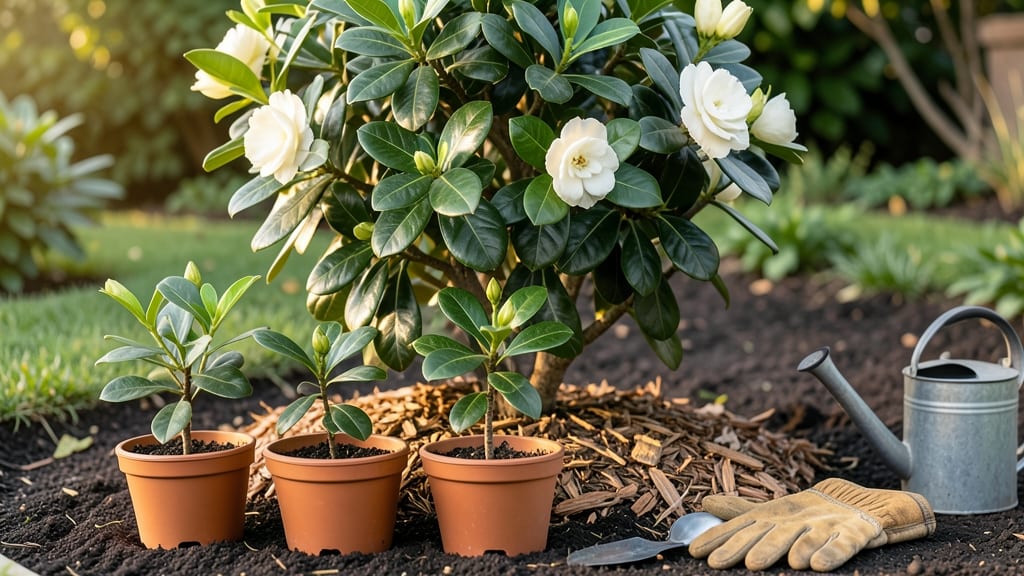
Planting gardenias in NC at the right time means the difference between fragrant blooms by summer and a shrub struggling to recover from frost.
Gardenias are the fragrant crown jewels of Southern gardens—but planting them at the wrong time in North Carolina means risking frost damage or stunted growth. Timing is everything, and missing the frost-free window by even a few weeks can set your blooms back for months.
For Zone 7B-8A (think Asheville to Raleigh), the ideal window opens in late March after the last frost, with a backup in September for fall planting. But soil temperature matters just as much as calendar dates—wait until the ground warms to 60°F or risk root stress.
Below, I’ll break down the exact frost-free timeline by region, how to prep your soil for these acid-loving 🌸 beauties, and the one mistake that kills gardenias faster than drought. Spoiler: it’s not what you think.
NC frost-free timeline for planting gardenias by zone 7B-8A
Timing your gardenia planting in North Carolina depends heavily on your USDA Zone and local frost patterns. In Zone 7B (Asheville), the last average frost typically occurs around April 15, while Zone 8A (Raleigh/Charlotte) sees its last frost closer to March 20.
These dates mark the frost-free window when gardenias can safely transition from containers to the ground.
Gardenias thrive in warm soil temperatures above 60°F, so even after the last frost, wait until the ground warms to this threshold before planting.
In containers, you can plant slightly earlier (late March in Zone 8A, early April in Zone 7B) since pots warm faster, but in-ground plantings need that extra soil heat for root establishment.
For spring planting, aim for April 1-30 in Zone 8A and May 1-15 in Zone 7B. Fall planting is also viable in September-October, but avoid late fall in Zone 7B where early frosts can damage tender new growth. Heat acclimation is critical—harden off container-grown plants for 7-10 days before transplanting.
| Zone | Last Frost Date | Ideal Planting Window | Soil Temp Threshold | Container Adjustment |
|---|---|---|---|---|
| 7B (Asheville) | April 15 | May 1-15 (spring) or Sept 15-Oct 15 (fall) | 60°F+ | Plant 2-3 weeks earlier |
| 8A (Raleigh/Charlotte) | March 20 | April 1-30 (spring) or Sept 1-Oct 15 (fall) | 60°F+ | Plant 1-2 weeks earlier |
🌱 Note: Adjust for microclimates—urban areas may frost later than rural zones.
In Zone 8A, you can push the envelope slightly by planting container gardenias in late March if nighttime temperatures stay above 45°F. However, in-ground plantings should wait until April 1 to ensure roots don’t suffer from cold soil.
Use a soil thermometer to verify—gardenias won’t thrive until the ground reaches 60°F consistently.
For fall planting, prioritize September in both zones. By this time, soil retains enough heat to support root growth before winter dormancy. Avoid planting after October 15 in Zone 7B, as new growth may not harden off before first frosts in November.
In Zone 8A, you can extend fall planting to November 1 if your microclimate stays mild.
Container gardenias offer flexibility but require winter protection in Zone 7B. Move pots to a sheltered location or wrap them in burlap once temperatures dip below 35°F.
In Zone 8A, containers can often stay outdoors year-round, but mulch heavily to insulate roots. Acid-loving plants like gardenias need well-draining, slightly acidic soil (pH 5.0-6.0)—amend your planting area with peat moss or pine bark if needed.
Pro tip: Mulch heavily after planting to retain soil moisture and warmth. Use 3-4 inches of organic mulch (like pine straw) to protect roots from temperature swings. This is especially critical in Zone 7B, where late spring frosts can still occur in May.
Monitor your gardenia’s leaves—yellowing foliage often signals root stress from cold soil or poor drainage.
If you’re unsure about your local frost dates, check the NC State Climate Office or use a frost calendar app for real-time updates. Gardenias reward patience with glossy foliage and intoxicating blooms, but rushing the planting process can lead to stunted growth or frost damage.
Plan ahead, and your gardenias will thrive for years to come. 🌸
Signs your NC gardenia planting time is perfect (or too early)
North Carolina’s spring planting window for gardenias opens when soil temperatures consistently reach 60°F+ and nighttime lows stay above 45°F. In Zone 7B (Asheville), this typically lands in mid-to-late April, while Zone 8A (Raleigh/Charlotte) can start as early as early April.
But don’t rely solely on dates—your garden’s microclimate (urban heat islands vs. rural valleys) can shift timing by 2-3 weeks.
Urban areas like Charlotte often warm up 5-7 days faster than rural farms due to concrete heat retention. Meanwhile, mountainous regions like Western NC may need to wait until late April to avoid late frosts.
Always check your local CoCoRaHS weather station or NC State Extension frost maps for precision. Even a single 30°F night can kill young gardenias, so patience is key.
🌱 Perfect Planting Checklist for NC Gardenias
- ☑️ Soil temp: 60°F+ (test with a soil thermometer at 4" depth)
- ☑️ Night temps: Above 45°F (check NC State Extension frost alerts)
- ☑️ Leaf buds: Swollen but not yet opening (sign of dormancy breaking)
- ☑️ Microclimate: Urban? Plant 1-2 weeks earlier than rural areas
- ☑️ Container prep: If potted, acclimate to outdoor temps for 7-10 days
💡 Pro Tip: Use a black plastic mulch to warm soil 5-10°F faster in cooler microclimates.
One of the most reliable signs your gardenia is ready for planting is leaf bud formation. Look for swollen buds along the stems—this means the plant has broken dormancy and is eager to grow.
If buds are already opening, you’ve missed the optimal window and risk transplant shock. Pair this with a soil warmth test: stick a soil thermometer 4 inches deep—if it reads below 60°F, wait 1-2 weeks.
Nighttime temperatures are your secret weapon for timing. Gardenias thrive when lows stay above 45°F, but consistent 50°F nights can stunt root growth. Use a minimum-maximum thermometer to track trends—if nights dip below 40°F for 3+ consecutive days, delay planting until stable warmth returns.
In Zone 7B, this often means waiting until after April 15, while Zone 8A gardeners can start as early as mid-March in sheltered microclimates.
Adjusting for urban vs. rural NC is critical. Urban gardens in Charlotte or Raleigh may see earlier soil warming due to heat islands, but they also face higher evaporation rates. Rural areas like the Piedmont or Coastal Plain retain moisture longer but can have colder nighttime lows.
To test your microclimate, plant a test gardenia in a container in early March—if it thrives, your zone warms up faster than average.
If you’re still unsure, fall planting (September-October) is a safe backup for Zone 8A. Young gardenias need 6-8 weeks to establish roots before first frost, so aim to plant by mid-September in Raleigh.
In colder Zone 7B, stick to spring planting only—fall roots won’t harden enough before winter. Always mulch heavily (3-4 inches of pine straw or shredded leaves) to insulate roots.
Remember: Rushing gardenias leads to weak stems, delayed blooms, or frost damage. When in doubt, wait one more week—your gardenia’s fragrant rewards are worth the patience. 🌸