
Planting
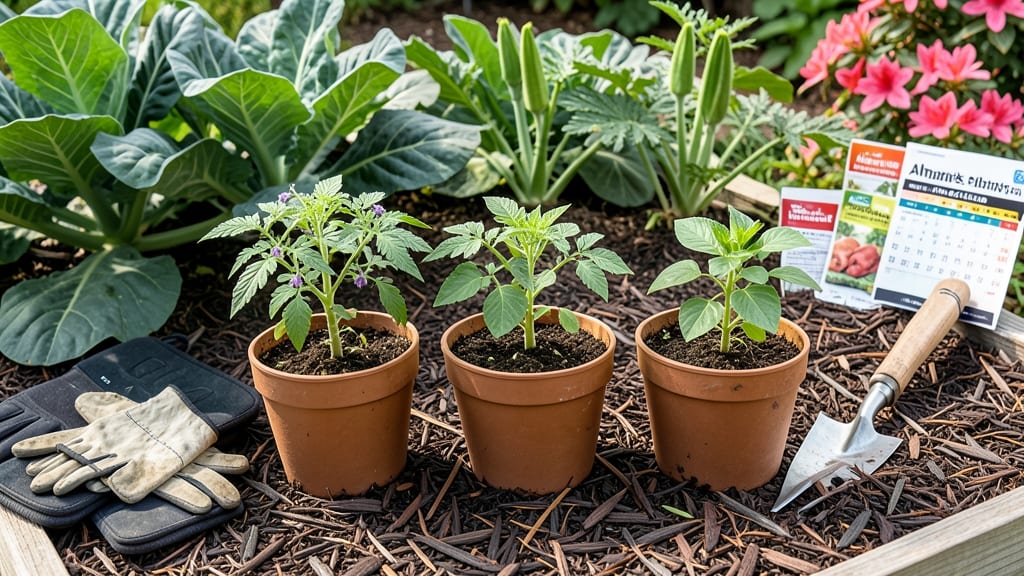
Planting your garden in Alabama at the right time means the difference between a fast, abundant harvest and a season of disappointment.
Alabama’s warm climate and long growing season mean timing your garden planting can mean the difference between a thriving harvest and a frustrating wait—but knowing exactly when to plant each crop is the secret to success.
With USDA zones 7a-8b, you’ve got two prime windows: late winter to early spring and late summer to early fall. Miss the mark, and you’ll either battle heat stress or watch your seedlings freeze before they even sprout.
Here’s how to align your planting with Alabama’s frost dates, soil temps, and crop needs for the fastest growth—plus the top mistakes to avoid.
Alabama planting zones by month: best times for vegetables, flowers, and herbs
Alabama’s USDA zones 7a-8b offer gardeners a 210-240 frost-free day season, but timing is everything. The last average frost typically arrives around March 15, while the first frost usually hits November 15.
This means your planting schedule must balance cool-season crops that thrive in mild winters with heat-loving varieties that need summer’s warmth. Let’s break down the best months for each plant type to maximize your harvest.
For cool-season vegetables like lettuce, spinach, and broccoli, the ideal window opens in February for early varieties and continues until April. These plants can handle Alabama’s mild winters but will bolt in summer heat.
Meanwhile, warm-season crops such as tomatoes, peppers, and okra should wait until after the last frost date, usually mid-April, when soil temperatures reach 60°F or higher. Flowers like marigolds and zinnias also prefer warmer soil, making April and May their prime planting months.
Here’s a quick reference for Alabama’s planting zones by month, including frost dates and heat tolerance tips:
For herbs, timing varies widely. Cilantro and parsley thrive in cooler months, while basil and oregano need warmth. Plant cilantro in February-March and again in September
How Alabama’s heat and humidity affect planting success (and how to adapt)
Alabama’s hot summers and high humidity create unique challenges for gardeners. While the long growing season offers benefits, heat stress, soil moisture loss, and pest pressures can quickly derail even the most well-planned garden.
Without proper adaptations, your plants may bolt, wilt, or become vulnerable to diseases like powdery mildew.
One of the biggest hurdles is soil drying out too quickly—especially in sandy soils common across Alabama. When temperatures climb above 90°F, even drought-tolerant plants struggle to establish roots.
Meanwhile, humidity levels above 70% create the perfect environment for fungal infections, making it critical to choose the right varieties and adjust your care routine.
🚨 CALLOUT-WARNING 🚨
Solution: Use mulch (straw or wood chips) to keep soil 5-10°F cooler. For container gardens, elevate pots with bricks or cinder blocks to prevent root overheating. Drip irrigation at dawn minimizes water loss and fungal risks.
Pro Tip: Monitor soil moisture with a moisture meter—Alabama’s clay soils can hide dry pockets beneath the surface.
To combat these issues, I focus on three key strategies: extending the growing season, selecting heat-resistant varieties, and providing shade where needed. For example, Okra and Sweet Potatoes thrive in Alabama’s heat, while Lettuce and Spinach need afternoon shade to prevent bolting.
Even tomatoes benefit from 30% shade cloth during the hottest afternoons (2 PM–5 PM).
Another game-changer is succession planting—staggering seeds every 2–3 weeks ensures a continuous harvest. In Alabama, this works especially well for bush beans, radishes, and collard greens. By the time the first batch matures, the next is already established and better equipped to handle the heat.
Pair this with drip irrigation to deliver water directly to roots, reducing evaporation by up to 30%.
Don’t overlook pest management—Alabama’s humidity attracts aphids, whiteflies, and squash bugs. I’ve found that neem oil sprays applied in the early evening (when pests are active but heat is lower) provide better coverage than daytime treatments.
For heavy infestations, row covers offer a physical barrier without sacrificing sunlight.
Finally, amend your soil with organic matter like compost or aged manure before planting. This improves water retention and microbiome health, helping plants better withstand stress. In my own garden, amending clay soil with pine bark fines reduced watering needs by 40% during peak summer.
With these adaptations, you can turn Alabama’s climate into an advantage—producing bountiful harvests even when temperatures soar. The key is proactive planning, not reactive fixes. 🌿