Planting
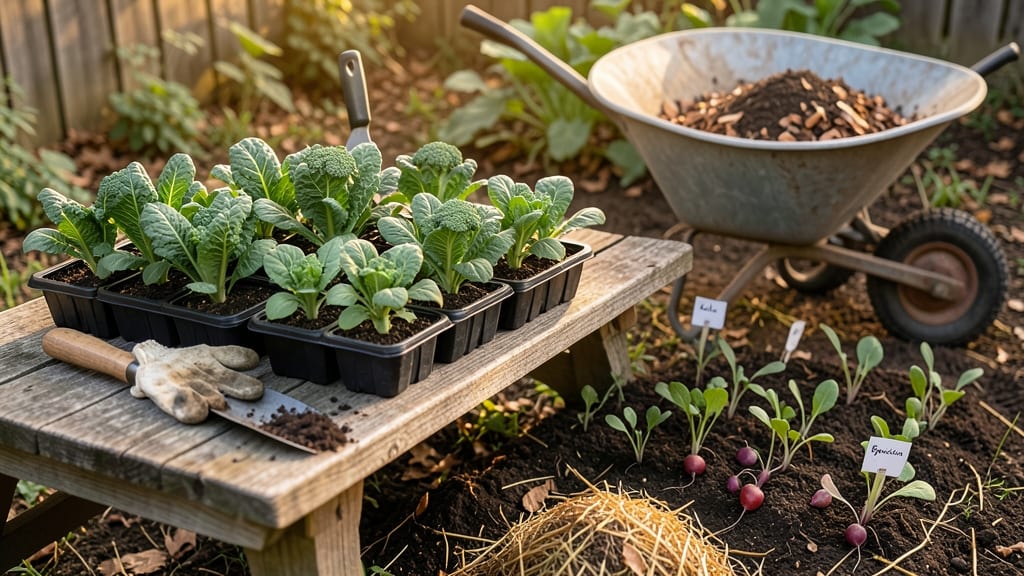
Planting a fall garden in Zone 7 between August and September is your ticket to a harvest that lasts right up until frost 🥬 — but timing it wrong means either wilting heat or ruined crops.
Zone 7 gardeners know timing is everything—plant too early, and your fall crops bolt in the heat; too late, and frost ruins your harvest. But with the right schedule, you can grow thriving greens, root vegetables, and even cool-season flowers right up until winter.
This isn’t just about throwing seeds in the dirt and hoping for the best. The 4-6 week window before your first frost is where the magic happens, and I’ll show you exactly how to nail it—whether you’re a beginner or a seasoned grower.
You’ll learn the exact planting dates for over 50 crops, how to adjust for your microclimate, and the top 5 fall vegetables that thrive in Zone 7’s second planting season—plus a checklist to keep you on track for a fast, bountiful harvest.
Exact weeks before frost to plant fall vegetables in Zone 7
In Zone 7, the average first frost arrives around November 1, giving you a limited but precious window to plant fall vegetables. The key is planting 4 to 6 weeks before frost—typically between late August and mid-September—to ensure crops mature before winter sets in.
This timing varies slightly between Zone 7a (cooler) and Zone 7b (warmer), but the general rule holds: cool-season crops need time to establish roots and grow before temperatures drop.
For heat-tolerant varieties like bush beans or sweet potatoes, you can push planting to early August—even up to 8 weeks before frost—since they thrive in warmer soil.
On the other hand, frost-sensitive crops like lettuce or spinach must go in no later than mid-September to avoid bolting or freezing. Understanding these thresholds is the difference between a bountiful harvest and wasted seeds.
For second plantings—like turnips or radishes—you can sow seeds as late as mid-September (about 3-4 weeks before frost). These fast-maturing crops will still produce a harvest before the ground freezes.
Just be prepared to protect them with row covers or cold frames if temperatures dip below 25°F.
If you’re growing overwintering crops like garlic or onions, plant them 8-10 weeks before frost (around late September) so they establish roots before winter. These crops actually need cold exposure to develop properly, making them perfect for Zone 7’s fall schedule.
Just avoid planting too early—they’ll rot in warm, wet soil.
One common mistake is assuming all cool-season crops can handle the same timing. For example, broccoli and cabbage need 60-70 days to mature, while spinach and lettuce can be ready in 30-40 days. Planting slow growers too late means they’ll still be young when frost hits. Use a plant
How to adjust your fall planting schedule for Zone 7’s microclimates
Your Zone 7 garden might feel like a different climate zone entirely depending on where you plant. While the average first frost hits around November 1, your backyard could be 2-3 weeks ahead or behind due to local microclimates.
Understanding these variations helps you fine-tune your fall planting schedule for maximum success.
Microclimates occur when local conditions like elevation, urban heat islands, or wind exposure create pockets of different temperatures and growing conditions. For example, a hilltop might experience frost 10-14 days earlier than a sheltered valley, while a paved city lot can stay 5-10°F warmer than rural areas.
- 1 Elevation: Add 1 week of planting time for every 300 feet above sea level. High-altitude gardens cool faster.
- 2 Urban Heat: Subtract 1-2 weeks from planting dates if your garden is near pavement or buildings. Soil stays warmer longer.
- 3 Wind Exposure: Plant 10-14 days earlier in windy areas. Cold air moves faster, accelerating frost risk.
- 4 Water Bodies: Extend planting by 1 week near lakes or rivers. Moist air moderates temperatures.
- 5 South-Facing Walls: Plant 2 weeks earlier near heat-absorbing surfaces. These spots act like micro-greenhouses.
To determine your microclimate, monitor your garden for 3-5 years and record when frost occurs. Use a minimum-maximum thermometer to track nighttime lows—this is the critical data for adjusting your schedule.
For example, if frost hits your garden on October 20 instead of November 1, shift all planting dates 2 weeks earlier.
For heat-loving crops like bush beans or Swiss chard, plant 3-4 weeks before the average date if your microclimate stays warm. Conversely, frost-sensitive plants like lettuce or spinach need to go in 1-2 weeks earlier in cooler microclimates.
Use row covers to extend the season by 2-4 weeks in frost-prone areas.
Pro tip: Group plants with similar cold tolerance together. Place kale and broccoli near south-facing walls, while radishes and peas thrive in cooler, wind-protected spots. This natural zoning maximizes your harvest window by 30-50%.
Adjusting for microclimates turns Zone 7’s 180 frost-free days into a personalized growing calendar that works for your specific backyard. With these tweaks, you’ll avoid the common mistakes of overestimating heat retention or underestimating frost risk—both of which can ruin a fall garden.