
Picking
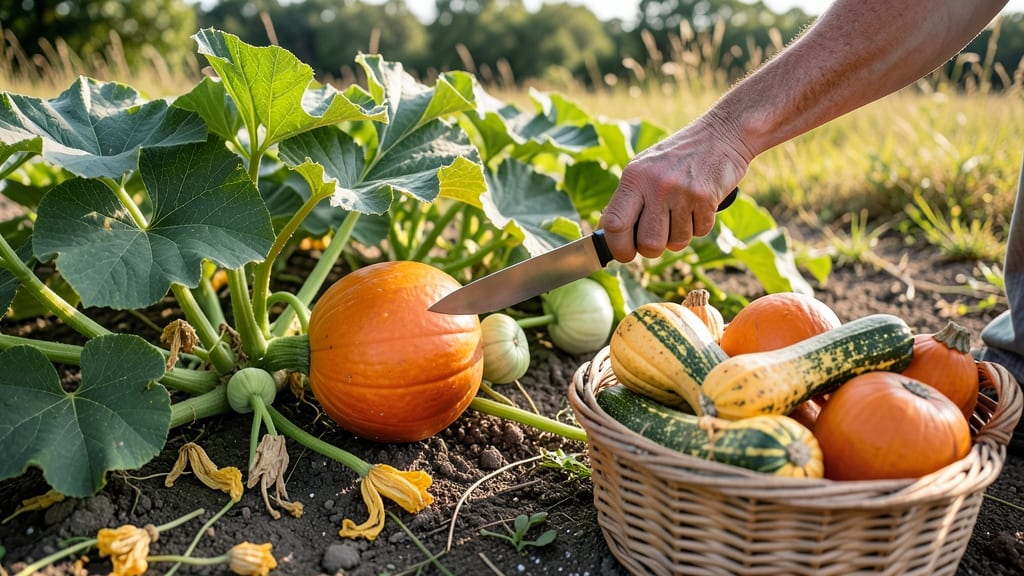
To pick squash from your garden at the perfect moment means the difference between a delicious, tender harvest and a tough, seedy disappointment — and the key is knowing exactly when to pluck it.
Picture this: you’ve been watching your 🎃 vines grow all summer, and now the squash is the size of a baseball. But is it ready? Picking too early means underdeveloped flavor, while waiting too long can turn your prize into a rock-hard, bitter mess.
The right timing isn’t just about size—it’s about color, texture, and even the stem’s condition.
Summer squash like zucchini and yellow squash need to be harvested when they’re still young and tender, while winter varieties like butternut or acorn should mature fully before picking. Missing these cues can leave you with a garden full of overgrown, unusable squash—or worse, none at all.
In this guide, I’ll break down the three foolproof signs your squash is ready to harvest, plus how to check ripeness without cutting it open. Whether you’re in Zone 6a or beyond, these tips will ensure you never miss the perfect moment again.
3 Visual signs your squash is ripe for harvesting (don’t miss these!)
There’s nothing worse than biting into a squash that’s gone tough or seedy—so timing your harvest perfectly is key. Summer squash like zucchini and yellow squash need to be picked young and tender, while winter varieties such as butternut or acorn squash should mature fully.
Missing these three visual cues can turn your harvest from delicious to disappointing.
First, check the skin hardness. Ready-to-harvest squash should feel firm to the touch, almost impossible to dent with your fingernail. For summer squash, this means a slightly tough skin—not soft like an unripe tomato.
Winter squash, on the other hand, should have a thick, hard rind that’s nearly impenetrable.
| Squash Type | Size | Skin Condition | Color | Stem Sign |
|---|---|---|---|---|
| Summer Squash (Zucchini, Yellow Squash) | 6-12 inches | Slightly tough, hard to dent | Deep green/yellow, even | Green, slightly woody |
| Winter Squash (Butternut, Acorn) | 8-12+ inches | Thick, hard rind | Deep, vibrant, no blemishes | Drying, brown at base |
| Overripe Sign (Both Types) | Larger than ideal | Soft spots, wrinkled | Pale or uneven | Rotted or detached |
Next, observe the color development. Summer squash should be uniformly colored—deep green for zucchini or bright yellow for yellow squash—with no pale patches. Winter squash, like butternut squash, needs to reach its peak hue, whether that’s golden, orange, or deep green.
A dull or mottled appearance means it’s overripe or stressed.
Finally, inspect the stem. For summer squash, the stem should still be green and slightly woody but not flexible. If it snaps easily, your squash is past its prime.
Winter squash stems will dry out and turn brown at the base—a clear signal that the squash is fully mature and ready for harvest.
Pro tip: Harvest summer squash every 2-3 days to encourage more production. Winter squash, however, should be left on the vine until fully mature—they won’t ripen further once picked. Ignoring these signs can lead to bitter, seedy squash or even rot.
Don’t forget to use clean, sharp pruning shears or a knife to avoid damaging the vine. Leave a 1-inch stem attached to prevent rot and extend shelf life.
Once harvested, store summer squash in the fridge for up to a week, while winter squash can last months in a cool, dark place.
Now that you know these three key visual cues, you’ll never miss the perfect harvest again. Happy squash hunting!
How to check squash ripeness without cutting it open (pro tips)
You don’t need to slice into your squash to know when it’s ready for harvest. Instead, use these simple tactile and auditory tests to determine perfect ripeness.
These methods work for both summer squash (zucchini, yellow squash) and winter squash (butternut, acorn), saving you from unnecessary damage or wasted effort.
Start by examining the skin hardness—this is the most reliable indicator of ripeness. A ripe squash should feel firm to the touch with no give when pressed gently.
If the skin dents easily, it’s not ready yet. For winter squash, the skin should also be tough and difficult to pierce with your fingernail.
Next, perform the tap test—give the squash a light tap with your knuckles. A ripe squash will produce a hollow, deep sound, while an underripe one will sound dull or flat.
This method works especially well for butternut and acorn squash, where internal maturity affects the sound.
Inspect the stem for signs of drying. A ripe squash will have a slightly dried, brown stem at the base where it connects to the vine. If the stem is still green and flexible, the squash needs more time.
For zucchini and yellow squash, the stem should start to wither slightly—this is your cue to harvest.
If your squash is overripe, it may develop a soft spot or start to rot at the blossom end. Overripe squash also tends to have seeds that are too large and a bitter taste. To salvage overripe squash, cook it immediately—it’s perfect for soups, roasting, or baking.
For underripe squash, simply leave it on the vine for 2-3 more days and recheck. Avoid harvesting too early, as this can stunt future production. If your squash is uneven in color or still soft to the touch, give it a little more time in the sun.