
Picking
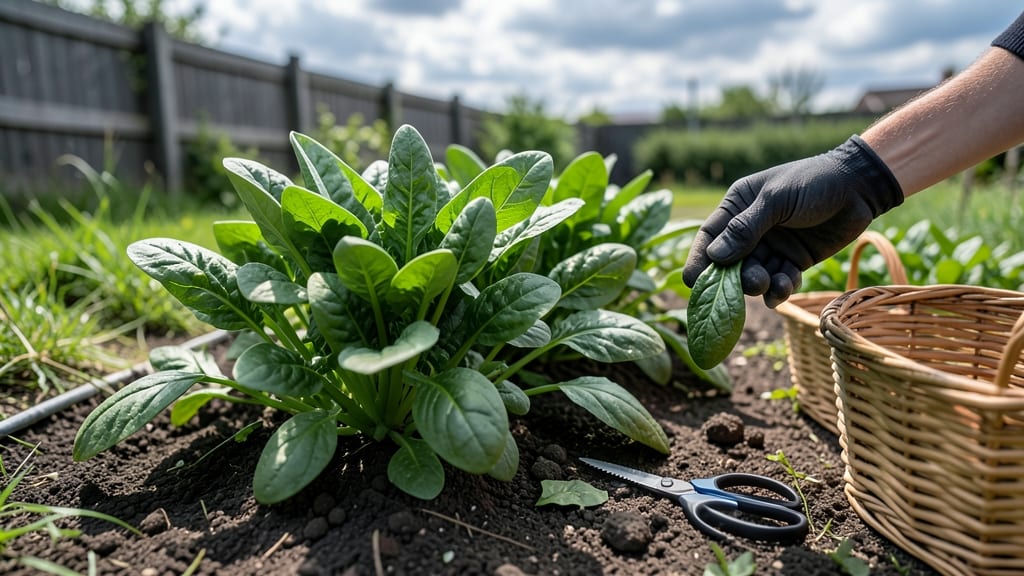
To pick spinach from your garden at its peak flavor and tenderness, watch for leaves that are 4-6 inches long and dark green 🍃—this is when they’re ready for harvest.
You might be tempted to grab the first leaves you see, but timing is everything. Harvest too early, and you’ll miss out on the rich, slightly sweet flavor; wait too long, and the leaves turn bitter or bolt into seed stalks.
In Zone 6, spring spinach is ready by May-June, while fall plantings hit their sweet spot in October-November. The key is plucking outer leaves first to keep the plant producing for weeks.
Below, I’ll walk you through how to check for readiness, the best tools for cutting, and how to extend your harvest so you’re never without fresh, homegrown greens.

How to determine when spinach leaves are ready for harvest
Knowing when to pick spinach from your garden is the key to enjoying tender, flavorful leaves. Spinach grows quickly, but harvesting too early or too late can ruin the taste and texture. The perfect time to harvest depends on whether you're growing baby spinach or letting the leaves mature fully.
Let's break down the visual cues and growth stages that tell you it's time to pick.
For baby spinach varieties, you can start harvesting as early as 30 days after planting when leaves reach about 2-3 inches long. These tiny leaves are packed with flavor and perfect for salads.
Mature spinach, on the other hand, takes about 45-60 days to reach full size, with leaves growing to 4-6 inches long. Waiting too long can turn your spinach bitter or cause it to bolt, especially in warm weather.
One of the easiest ways to check if your spinach is ready for harvest is to look at the leaf size. For baby spinach, aim for leaves that are about 2-3 inches long. These leaves are perfect for quick salads or garnishes.
If you're growing mature spinach, wait until the leaves reach 4-6 inches in length. At this stage, the leaves should be dark green and firm, with a slightly crunchy texture that's ideal for cooking.
Pay attention to the color of the leaves as another key indicator. Ready-to-harvest spinach should be a deep, vibrant green. If the leaves start turning yellowish or pale green, it’s a sign that the plant is either stressed or overmature.
Overmature spinach can develop a bitter taste, which is why timing your harvest is so important. In hot weather, spinach may also start to bolt, sending up flower stalks, which further reduces its quality.
Another trick is to gently pinch the outer leaves of your spinach plant. If they snap off easily without much resistance, they're ready to be harvested. This method also helps encourage new growth from the center of the plant.
Always harvest the outer leaves first, leaving the inner leaves to continue growing. This practice not only extends your harvest season but also ensures that your spinach remains tender and flavorful.
Seasonal timing also plays a role in determining when to pick spinach. In spring, spinach grows quickly in cooler temperatures, and you can expect a harvest about 4-6 weeks after planting.
For a fall harvest, plant your spinach 8-10 weeks before the first frost to ensure you get a full season of growth. In warmer climates, consider growing spinach in late summer or early fall to avoid the heat of mid-summer, which can cause bolting.
If you're unsure whether your spinach is ready, err on the side of harvesting a little early. Baby spinach is always a safe bet, as it’s less likely to become bitter. Plus, harvesting early encourages the plant to produce more leaves, giving you a longer harvest window.
Just remember to always use clean, sharp scissors or shears to avoid damaging the plant. A clean cut also helps prevent disease from entering the plant through torn leaves.
One common mistake gardeners make is waiting too long to harvest their spinach, leading to bitter-tasting leaves. Spinach contains compounds called oxalates that increase as the plant matures, contributing to that unpleasant bitterness.
By harvesting at the right time, you can avoid this issue and enjoy spinach that’s both tender and delicious. Additionally, harvesting regularly prevents the plant from becoming overcrowded, which can stress the plant and reduce yield.
To maximize your spinach harvest, consider planting successive crops every 2-3 weeks. This staggered planting ensures a continuous supply of fresh spinach throughout the growing season.
Whether you're growing baby spinach for salads or mature leaves for cooking, keeping an eye on the leaf size, color, and texture will help you determine the perfect time to harvest. With these tips, you'll be well on your way to enjoying a bountiful spinach harvest all season long.
Best practices for harvesting spinach without damaging the plant
Harvesting spinach correctly keeps your plants producing fresh leaves for weeks. The key is to pick leaves at the right size and stage while leaving enough foliage for regrowth.
For baby spinach, you can harvest entire plants when leaves reach 2-3 inches, but for mature varieties, focus on outer leaves first.
Timing matters too—spring and fall harvests offer the best flavor and tenderness. In spring, start harvesting when plants are 6-8 weeks old and temperatures stay below 75°F. For fall crops, aim to finish harvesting before first frost to avoid bolted or bitter leaves.
Step-by-Step Harvesting Guide
- 📏 Check leaf size: Harvest outer leaves when they reach 4-6 inches long. Smaller leaves (2-3 inches) are ideal for baby spinach.
- ✂️ Use clean shears: Snip leaves 1 inch above the base to encourage regrowth. Avoid tearing leaves to prevent disease.
- 🌱 Leave inner leaves: Never remove more than 1/3 of the plant at once. Inner leaves continue growing for future harvests.
- 🌡️ Time your harvest: Pick in morning hours when leaves are crisp and hydrated. Avoid harvesting after rain.
- 📅 Extend the season: For spring crops, harvest every 2-3 weeks. For fall crops, stop harvesting 4-6 weeks before frost to let plants store energy.
Seasonal shifts require adjustments. In hot summer months, spinach bolts quickly, so focus on shade cloth and frequent harvesting to keep plants producing. For fall harvests, prioritize cooler temps (below 65°F) to maintain sweetness and tenderness.
Proper spacing also impacts harvest success. Plant seeds 1 inch apart in rows 12 inches apart to allow airflow and easy access. Overcrowded plants lead to disease risk and stunted growth, reducing your total yield.
After harvesting, rinse leaves gently in cool water and store them in a plastic bag with a paper towel to absorb moisture. Spinach stays fresh in the fridge for 5-7 days when handled carefully. For long-term storage, blanch and freeze leaves for up to 12 months.
With these techniques, your spinach plants will reward you with continuous harvests all season long—no bitter surprises or wasted effort! The secret is patience and precision at every cut. 🌿