
Picking
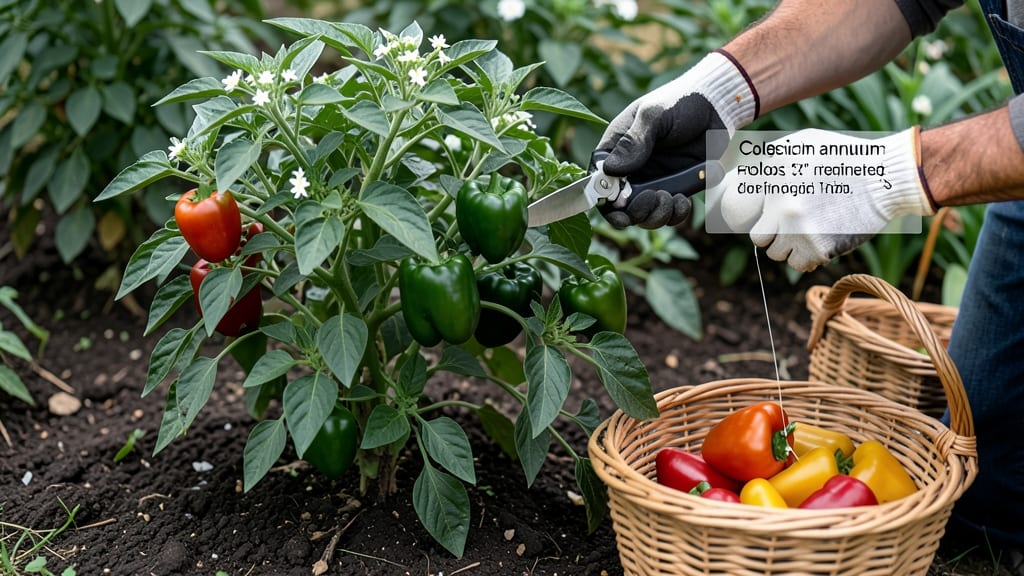
Picking peppers from your garden at the right time ensures the sweetest, most flavorful harvest 🌶️ — and waiting too long can turn them bitter or mealy.
If you’ve ever bitten into a pepper that’s tough, bland, or even slightly bitter, you know how frustrating it can be. The difference between a perfect harvest and a disappointing one often comes down to timing — and understanding the subtle cues your peppers give you.
From the first hint of color to the ideal size and firmness, each pepper variety has its own signals. Whether you’re growing bell peppers, jalapeños, or habaneros, knowing when to pluck them makes all the difference in flavor and texture.
In this guide, I’ll break down the exact stages to watch for, how temperature and frost risk can affect your timing, and simple tricks to keep your peppers producing all season long.

How to identify pepper ripeness by color and size
Peppers are one of the most rewarding crops to grow, but timing your harvest is everything. A green pepper plucked too early can taste bland, while waiting too long risks tough skin or even dropping from the plant.
The key lies in understanding color changes, size indicators, and texture shifts that signal perfect ripeness for each variety. Whether you're growing bell peppers, jalapeños, or habaneros, mastering these cues ensures the best flavor and yield.
Most peppers start green and mature through vibrant stages like yellow, orange, or red, but some varieties—like jalapeños—stay green when ripe.
The size also matters: a bell pepper should reach 3-6 inches long before harvesting, while a habanero might be ready at just 2 inches but packed with heat. Even the stem gives clues—it should separate cleanly from the plant when ripe.
| Pepper Type | Ripeness Stage | Size Indicator | Color Change | Flavor Peak |
|---|---|---|---|---|
| Bell Pepper | Green | 3-6 inches | Solid green | Sweet, crisp (harvest anytime) |
| Bell Pepper | Red/Yellow | 3-6 inches | Deep red/yellow | Sweeter, richer |
| Jalapeño | Green | 2-3 inches | Bright green | Mild, fresh (harvest early) |
| Jalapeño | Red | 2-3 inches | Deep red | Hotter, fruitier |
| Habanero | Orange/Red | 1-2 inches | Bright orange/red | Extremely spicy, floral |
For bell peppers, the green stage is perfectly fine to harvest—many grocery stores sell them this way. But if you let them ripen to red or yellow, their sugar content increases dramatically, giving them a deeper, sweeter flavor.
I always save a few to ripen fully just for this reason. Jalapeños, on the other hand, are best picked green for a milder taste, but leaving them on the plant to turn red intensifies their heat and complexity.
Don’t overlook texture as a ripeness indicator. A ripe pepper’s skin should yield slightly when gently pressed with your thumbnail—like a ripe avocado. If it feels rock-hard, it’s not ready. Meanwhile, an overripe pepper might develop soft spots or wrinkles, and its seeds can turn dark and slimy.
These are clear signs to harvest before the pepper detaches on its own, which can happen suddenly, especially in hot weather.
Some gardeners swear by the "stem snap test": gently twist the pepper at its stem. If it separates cleanly from the plant, it’s ready to pick. This method works especially well for habaneros and other small peppers that might otherwise slip through your fingers.
I’ve found this trick saves me from missing the perfect moment—especially when dealing with fussy varieties like ghost peppers, which can ripen overnight.
Environmental factors like temperature and humidity can also affect ripening. In hot climates, peppers may ripen faster, while cooler weather can slow the process. If you’re in a region with early frosts, prioritize harvesting green peppers to enjoy them before the first cold snap.
I once lost an entire batch of jalapeños to a surprise frost because I waited too long for them to turn red—lesson learned!
Pro tip: Harvest peppers regularly to encourage more production. When you pick a pepper, the plant redirects its energy to produce new fruits. I like to check my pepper plants every 2-3 days during peak season to avoid missing the window. And
Common mistakes that ruin pepper flavor and how to avoid them
Even the most attentive gardeners can fall into traps that turn pepper harvests from flavorful to forgettable. The biggest culprit? Picking peppers at the wrong ripeness stage. A green bell pepper harvested too early will stay tough and bland, while an overripe chili can become mealy and bitter.
These mistakes aren't just about timing—they're about understanding how environmental factors like heat and humidity play a role in ripening.
Another common error is ignoring subtle texture clues. Many gardeners focus on color but overlook how a pepper's skin firmness or stem separation signals true readiness. For example, a jalapeño that's deep green but gives slightly when pressed is often sweeter than one that's still rock-hard.
These overlooked signs can make the difference between a vibrant harvest and wasted effort.
⚠️ WARNING: The 3 Signs You're Picking Peppers Too Late
Don't let these overripe pepper red flags ruin your harvest:
- 🟡 Wrinkled skin: Peppers that pucker or shrivel have lost moisture and flavor.
- 🤏 Soft flesh: When pressed, they should yield slightly—not feel mushy like overcooked vegetables.
- 🌬️ Hollow stems: If the stem snaps cleanly but the pepper feels hollow, it's past its prime.
Pro Tip: Harvest every 3-5 days during peak season to avoid overripeness.
Heat waves and humidity can also throw off pepper ripening. In hot climates, peppers may mature too quickly, losing sweetness before they reach full color. Meanwhile, high humidity can slow ripening, leaving peppers stuck in a green or pale stage.
I've seen bell peppers in my own garden turn yellow-orange but never fully red because of persistent dampness. Adjusting watering schedules or providing afternoon shade can help balance these conditions.
One of the most frustrating mistakes is harvesting inconsistently. Peppers produce new flowers and fruits continuously, so skipping harvests can overwhelm the plant.
I once let my habanero plants go unchecked for two weeks, and while the older peppers were fine, the new ones shrank and turned bitter from lack of resources. A simple rule: Pick peppers when they're 75% ripe—this encourages the plant to keep producing.
Don't forget about storage conditions after harvest. Peppers picked at the perfect stage can still lose flavor if stored improperly. Keep them in a cool, dark place (like a crisper drawer) and avoid stacking them—this prevents bruising.
For long-term storage, freeze peppers whole or slice them first. I've found that jalapeños frozen at their peak ripeness hold their heat and flavor for months.
By watching for these common pitfalls—overlooking texture, ignoring environmental clues, and harvesting sporadically—you'll transform your pepper game. The key is consistent monitoring and acting at the first sign of ripeness. Your taste buds (and dinner guests) will thank you for it! 🌶️