
Picking
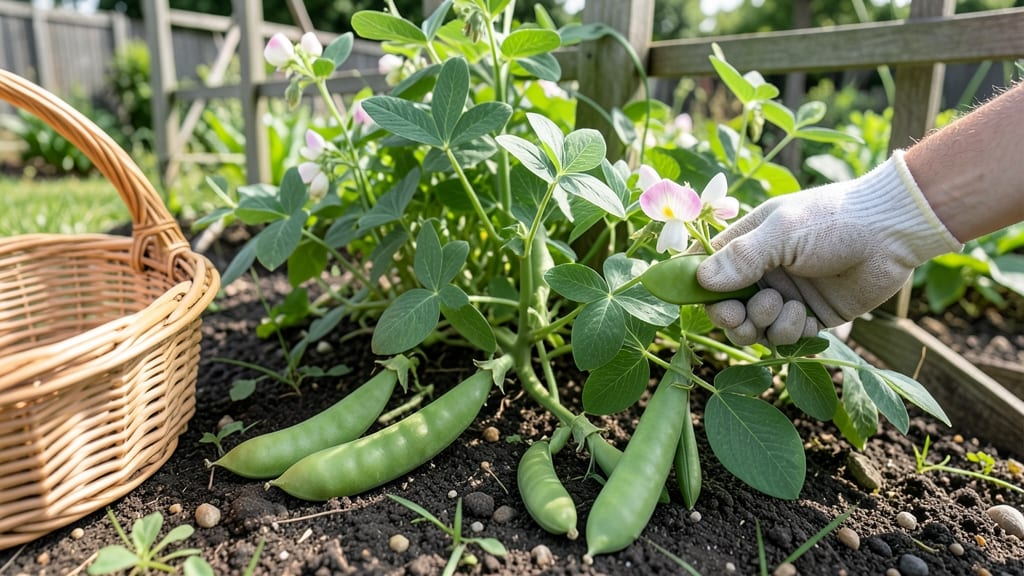
Picking peas from your garden at the right time turns a handful of pods into a sweet, flavorful feast—wait too long, and you’re left with tough, stringy disappointment.
Peas are one of the fastest-growing vegetables in your garden, but timing their harvest wrong can turn sweet, tender pods into tough, stringy disappointment. Knowing the exact moment to pick peas transforms your harvest from mediocre to mouthwatering—here’s how to master it.
Look for pods that are 2 to 3 inches long, bright green, and firm to the touch—these are the sweetest and most tender. If you wait too long, the peas inside will swell, making the pods tough and less enjoyable.
Harvesting at the right time also encourages your plants to produce more, giving you a longer and more abundant crop.
In this guide, I’ll walk you through the best ways to check for ripeness, how often to pick, and what to do if you miss the window. You’ll learn to spot overripe pods, handle delicate vines, and keep your peas tasting fresh for weeks.

Ideal pea pod size and maturity signs for perfect harvest
Peas are ready to harvest when their pods reach the perfect balance of size and tenderness. For snap peas and sugar snaps, aim for pods that are 2-3 inches long—this ensures they’re crisp and sweet.
If you’re growing shelling peas, wait until pods reach 3-4 inches before harvesting. Timing is everything because overripe pods become tough and fibrous, ruining their flavor.
Don’t rely solely on size—color and texture are equally important. Bright green pods with a glossy sheen signal peak ripeness, while pale or yellowing pods mean it’s past their prime.
When you gently squeeze a pod, it should feel firm but slightly yielding, like a ripe cucumber. If it’s rock-hard or mushy, it’s time to adjust your picking schedule.
The seed size inside also gives away maturity. At the perfect moment, seeds should be small and round, filling only about one-third of the pod’s length. If seeds are large and pushing against the pod walls, the peas will be starchy and less sweet.
Check a few pods daily to catch this fleeting window of perfection.
Here’s a quick guide to help you spot the ideal moment to harvest different pea varieties:
| Pea Variety | Pod Size | Color | Texture | Seed Stage |
|---|---|---|---|---|
| Sugar Snap Peas | 2-3 inches | Bright green | Firm, crisp | Small, round |
| Snow Peas | 2-3 inches | Bright green | Flat, tender | Small, flat |
| Shelling Peas | 3-4 inches | Bright green | Plump, firm | Small, filling 1/3 of pod |
For sugar snap peas, the pods should snap easily when bent—this is how they got their name! If they resist bending or snap too loudly, they’re past their prime. Snow peas, on the other hand, should remain flat and tender.
Their pods are edible, unlike shelling peas, where you’ll remove the pod before eating the peas inside.
Temperature plays a subtle but critical role in pea ripening. Cooler weather slows growth, so pods may take longer to reach the ideal size. If your garden is experiencing unusually warm temperatures, peas can mature faster, so check them more frequently.
Conversely, in cooler climates, you might need to wait a few extra days for pods to plump up.
One of the biggest mistakes gardeners make is waiting too long to harvest. Once peas start to yellow or shrivel, their flavor and texture decline rapidly.
Overripe peas also signal the plant to stop producing new pods, shortening your harvest window. To maximize your yield, pick peas every 2-3 days during peak production.
If you’re unsure whether a pod is ready, do the "squeeze test": Gently press a pod between your fingers. It should feel slightly soft but not mushy.
If it’s rock-hard, it’s not ready yet. If it’s mushy, it’s overripe. This simple test saves you from harvesting peas that are past their best.
Pro tip: Harvest in the morning when pods are cool and crisp. This is when their flavor is at its peak. Avoid harvesting after a rain or in the heat of the day, as this can make pods more prone to bruising or spoilage.
A sharp pair of pruning shears or your fingers work well—just be gentle to avoid damaging the vines.
With these cues in mind, you’ll never miss the perfect moment to pick peas again. The key is to stay vigilant, check your plants daily, and harvest when pods are plump, bright green, and tender. Your taste buds—and your plants—will thank you! 🌱
Best practices for harvesting peas without damaging plants
Harvesting peas at the right time ensures tender, sweet pods while keeping your plants productive. The key is to pick consistently and gently to avoid stressing the delicate vines. I’ve learned that timing and technique make all the difference between a bountiful harvest and a disappointing one.
Pea plants produce new pods rapidly, so checking them every 2-3 days is essential. Overripe pods not only lose flavor but also signal the plant to stop producing.
I always start by examining the pod size and color—bright green and firm pods are ready, while yellowing or shriveled ones are past their prime.
When to Pick Peas from Your Garden
- 🌱 Check pod size: Harvest snap peas at 2-3 inches and shelling peas at 3-4 inches.
- 🌿 Inspect color: Bright green pods are perfect; avoid yellowing or brown spots.
- ✂️ Test firmness: Squeeze gently—pods should feel crisp and plump, not mushy.
- 🌱 Look inside: Peek at seeds—small and round means peak flavor; large seeds mean it’s overripe.
- 🌿 Pick frequently: Harvest every 2-3 days to encourage continuous production.
To avoid damaging plants, use your fingers or small pruners—never pull pods forcefully. I’ve found that hand-picking is gentlest, especially for bush varieties. For vining peas, support the plant with one hand while harvesting to prevent breaking stems. Always pick from the bottom up to encourage upward growth.
Overripe pods can reduce future yields, so remove them promptly. If left on the vine, they’ll toughen and attract pests. I’ve extended my harvest season by planting successive crops every 2 weeks, ensuring a steady supply of fresh peas.
This works especially well in cooler climates where peas thrive in early spring and late summer.
Store freshly picked peas in the fridge for up to 5 days or freeze them for longer storage. For best results, snap off pods at the stem and rinse only before eating.
Avoid washing them before storage to prevent moisture buildup, which can cause spoilage. With these tips, you’ll enjoy a long, productive harvest without damaging your plants.