
Picking
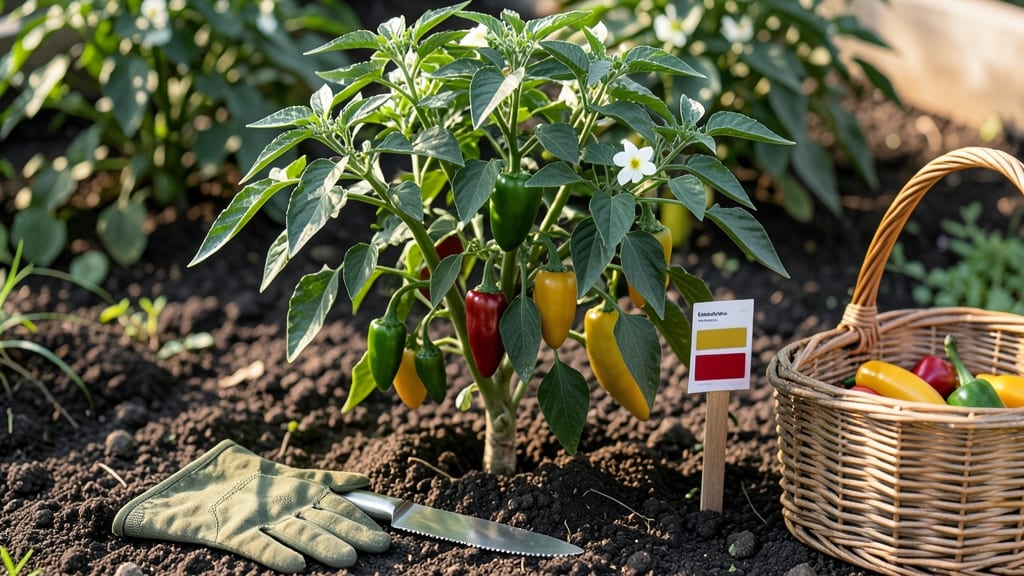
Picking jalapeños from the garden at the right time means the difference between bold, crunchy heat and a bitter, mushy mess—here’s how to know when they’re ready.
Picture this: your 🌶️ jalapeños are thriving in Zone 6a, but you’re not sure if that deep green is "ripe" or just "almost there." Too early, and you miss the peak flavor; too late, and the spice fades into disappointment.
I’ve been there, and I’ve learned the three key signs that separate a perfect harvest from a wasted one.
Timing matters because jalapeños change fast—size, color, and even firmness all shift as they mature. A 3-inch pepper with a glossy dark green skin isn’t just "close enough"; it’s the sweet spot for that signature kick.
But if you wait too long, the heat drops and the texture turns mealy, no matter how much you love salsa.
Below, I’ll walk you through the exact visual cues to watch for, how climate affects your harvest window, and a pro trick to stretch your plant’s production all summer long. No more guessing—just crisp, spicy jalapeños every time.

3 Visual signs your jalapeños are ready for harvesting
Knowing exactly when to pick jalapeños from your garden ensures you get the best flavor and spice. Unlike tomatoes, jalapeños don’t ripen off the vine, so timing matters. The key is watching for these three visual cues that signal peak ripeness.
Ignoring them can lead to peppers that are too mild, too spicy, or even bitter. Let’s break down what to look for in your jalapeño plants this season.
First, pay attention to color changes—this is the most obvious sign. While green jalapeños are perfectly edible, fully ripe ones turn a deep dark green or even red. The shift happens gradually, so check your plants every 2-3 days during peak growing months.
Early harvests (green peppers) have milder heat, while waiting for red jalapeños means more capsaicin and a sweeter profile. If you’re growing jalapeño varieties like ‘Early Jalapeño’ or ‘Red Jalapeño’, this color shift is your best friend.
Next, size matters. Ready-to-harvest jalapeños typically measure 3-5 inches long and about 1-1.5 inches wide. They should feel heavy for their size, indicating full water uptake and maturity. Smaller peppers (under 2 inches) are still developing and lack full flavor.
Use a ruler or your fingers to gauge—if they’re the length of your thumb, they’re likely ready. Overlooking this can mean waiting too long, leading to soft, seedy peppers that lose their crisp texture.
- 1. Color Shift: Peppers turn from bright green to deep green or red—check daily for this change.
- 2. Size Benchmark: Reach 3-5 inches long and feel heavy when held—this means they’re fully grown.
- 3. Stem Separation: Twist gently—if the stem snaps cleanly, it’s time to harvest (no tugging needed!).
Don’t forget to test for stem separation, the third critical sign. Gently twist the pepper near its stem—if it snaps off cleanly with minimal resistance, it’s ready. This indicates the pepper has fully detached from the plant’s nutrients.
If you have to pull or tug, it’s not quite ripe yet. This method works for both green and red jalapeños, so you can rely on it year after year. Skipping this step often leads to peppers that fall off the vine prematurely, wasting your harvest.
One common mistake is assuming all jalapeños ripen at the same rate. Early-season peppers may mature faster in warm climates (like USDA Zone 9), while cooler areas (like Zone 7) might need an extra week.
If your plants are struggling, check for underwatering or nutrient deficiencies, which can delay ripening. A quick soil test or adjusting your watering schedule can make a big difference in timing.
For optimal flavor, aim to harvest jalapeños in the late morning when temperatures are mild. This reduces stress on the plant and ensures peppers stay crisp. Avoid harvesting after heavy rain, as moisture can make stems slippery and peppers harder to pick cleanly.
If you’re growing multiple varieties, like ‘Red Jalapeño’ and ‘Striped Jalapeño’, track their progress separately—they may ripen at slightly different rates.
What if you miss the window? Overripe jalapeños become soft, seedy, and bitter, losing their signature crunch and heat. They’re still edible but best used in cooked dishes where flavor trumps texture.
To avoid this, set a reminder to check your plants every 2-3 days during peak harvest season (typically July-October). A quick glance at your garden can save you from disappointment—and ensure you always have fresh peppers for salsas, pickling, or grilling.
Finally, remember that jalapeño flavor changes with maturity. Green peppers are milder and crunchier, ideal for fresh eating or salsas. Ripe red jalapeños pack more heat and sweetness, perfect for drying or fermenting.
If you’re growing for heat lovers, let them turn red. For mild applications, harvest them green. This flexibility makes jalapeños one of the most versatile peppers in your garden.
Mastering these three visual signs will transform your jalapeño harvest from guesswork to confidence. Next time you’re in your garden, grab a ruler, check the color, and give that stem a twist. You’ll know exactly when to pick—and enjoy—your homegrown peppers at their peak! 🌶️✂️
How jalapeño maturity affects spice level and texture
Jalapeño peppers are a gardener’s delight, but their spice intensity and texture change dramatically as they mature. Picking too early gives you mild, crunchy peppers, while waiting too long risks bitter flavors and mushy textures. Understanding these shifts helps you control the final product for salsas, pickling, or fresh eating.
The capsaicin content, which creates the heat, peaks when jalapeños turn red but starts building early. A 3-inch jalapeño picked green will be milder and firmer, while a 5-inch red one will pack more heat and softer flesh.
Your choice depends on whether you want a gentle kick or bold flavor.
Early Harvest (Green, 3-4 inches)
- Milder spice level (1,000-2,500 SHU)
- Firmer texture (crunchier)
- Better for pickling or fresh eating
- Lower flavor complexity
- Smaller yield per pepper
Late Harvest (Red, 4-5 inches)
- Higher spice level (2,500-8,000 SHU)
- Sweeter, fruitier flavor
- Better for salsas or cooking
- Softer texture (less crunch)
- Risk of bitterness if overripe
To control spice intensity, harvest jalapeños when they’re 3-4 inches long and still green for milder heat. If you prefer bolder flavors, wait until they turn red but avoid letting them become wrinkled or soft. Daily checks ensure you catch them at the perfect moment.
Overripe jalapeños develop a woody texture and bitter taste, making them unappealing for most uses. If your plant is producing too many peppers at once, prioritize harvesting the largest ones first to redirect energy to new growth. This keeps your plants productive and your peppers at peak quality.
For consistent texture, store harvested jalapeños in a cool, dark place (like a pantry) for up to 2 weeks. If you’re not using them immediately, freezing or pickling preserves their flavor and prevents spoilage. Experiment with different maturity stages to discover your favorite balance of heat and crunch!
🌱