
Picking
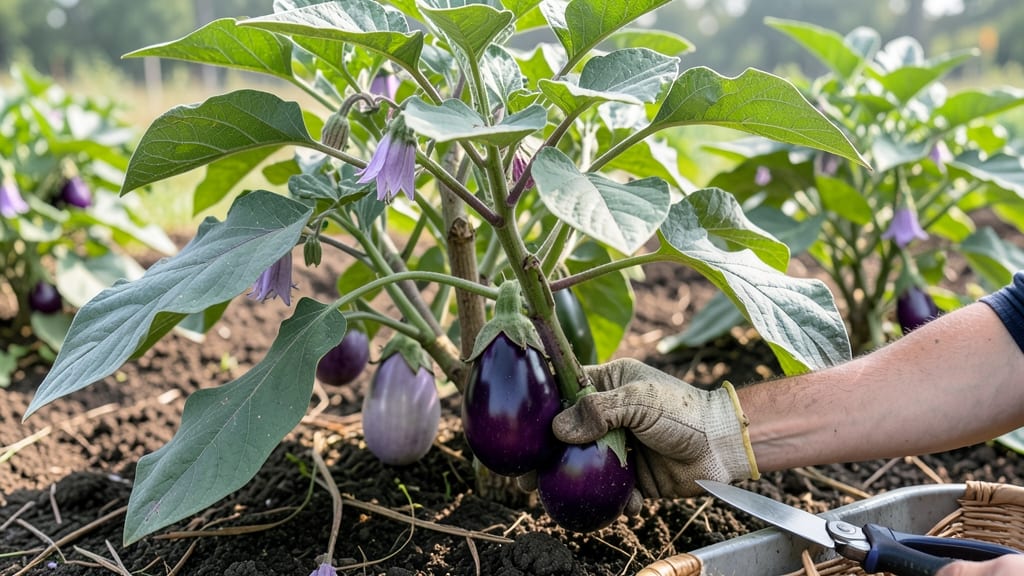
To pick eggplant from your garden at the perfect time means catching it when it’s tender, glossy, and packed with flavor—before it turns bitter or seedy.
Harvesting eggplant at the wrong stage can mean the difference between a silky, delicious meal and a tough, disappointing one. That glossy skin? It’s your best clue that the fruit is ready. Too soon, and it’s underdeveloped; too late, and it’s past its prime.
Eggplant varieties like Black Beauty or Ichiban reach peak ripeness in 75–100 days, but size, color, and firmness matter more than days alone. I’ll show you how to check for readiness—no guesswork required.
You’ll learn the three key signs of ripe eggplant, how climate affects timing, and why picking too early or too late ruins the texture. Ready to master the harvest?
3 Visual cues to identify perfectly ripe eggplant
Knowing when to pick eggplant from your garden transforms a mealy, seedy disappointment into a glossy, flavorful victory. Unlike many vegetables, eggplant doesn’t ripen further after picking, so timing is everything. I’ve learned the hard way—overripe eggplant turns bitter, while underripe fruit lacks that satisfying creamy texture we all crave.
The secret lies in three key visual cues: skin color, fruit size, and stem separation. Master these, and you’ll harvest eggplant at its peak. I’ll walk you through each, plus the common mistakes that even experienced gardeners make.
Let’s dive into the science behind these cues and how to apply them in your garden.
🔍 When to Pick Eggplant from Your Garden
- 1
- 2
- 3
Let’s start with the most obvious cue: skin color. Eggplant skin isn’t just about aesthetics—it’s a reliability indicator. For classic purple varieties like ‘Black Beauty’, aim for a deep, saturated purple with a glossy finish.
White varieties like ‘Casaba’ should turn a creamy white, while striped types like ‘Italian Long White’ develop crisp, contrasting stripes. Avoid harvesting if the skin looks dull or starts to wrinkle—this signals overripeness.
I once picked a batch of eggplant too early because the skin was still light purple and matte. The result? A bitter, watery texture that ruined my ratatouille.
Now, I wait until the skin has that wet-look shine, which means the fruit has fully developed its flavor compounds. For varieties like ‘Rosa Bianca’, the skin should turn a rich, rosy blush—never pale or green-tinged.
Next, pay attention to fruit size, which varies wildly by variety. Dwarf types like ‘Fairy Tale’ max out at 4–6 inches, while standard varieties like ‘Ichiban’ can reach 10–12 inches. The key is to compare your eggplant to the mature size listed on your seed packet.
If the fruit has stopped growing but still feels heavy for its size, it’s ready. Lightweight fruit is underripe and will lack flavor.
Size matters because eggplant starch content increases as it matures, contributing to that rich, meaty texture we love. I test readiness by holding the eggplant in my hand—ripe ones feel dense and substantial, while unripe ones feel light and hollow.
This tactile check is especially useful for container-grown plants, where size can be harder to judge.
The third cue—stem separation—is often overlooked but critical. Many gardeners assume eggplant must be cut from the vine, but the gentle twist test is far more reliable. Hold the fruit near the stem and give it a quarter-turn.
If the stem detaches cleanly with minimal resistance, your eggplant is ready. Resistance means it’s not ripe enough. This method also prevents stem damage, which can invite rot.
I’ve made the mistake of cutting stems too early, leading to premature bruising and a shorter shelf life. The twist method preserves the fruit’s integrity and makes harvesting cleaner and faster.
For large varieties like ‘Rosa Bianca’, I use pruning shears for the final cut after confirming readiness with the twist test. This two-step approach ensures I never pick too soon or too late.
Environmental factors can throw off these cues, so always cross-check. Hot, dry weather accelerates ripening, while cool, cloudy days slow it down. In my Zone 8 garden, I harvest earlier in July to avoid the intense summer heat, which can cause skin to wrinkle prematurely.
If your eggplant isn’t ripening by the expected 75–100 days (depending on variety), check for adequate sunlight and consistent watering—both are critical for fruit development.
Finally, avoid these common harvesting mistakes: picking based on calendar dates (eggplant ripens on its own timeline), ignoring variety-specific traits, or harvesting in rain or extreme heat. I learned the hard way that morning harvests yield the best results—the fruit is firmer and less prone to bruising.
Store ripe eggplant in a cool, dark place (like a pantry) for up to a week, but don’t refrigerate—it turns mealy and bitter.
Master these three visual cues, and you’ll never second-guess your eggplant harvest again. The next time you’re standing in your garden with a glossy, heavy eggplant in hand, you’ll know: it’s perfectly ripe and ready for the kitchen. Happy harvesting! 🌱
How eggplant size and firmness affect flavor and texture
Eggplant size and firmness aren’t just about looks—they directly impact flavor and texture. Smaller eggplants may seem ideal, but they’re often underripe with bitter undertones. The sweet spot lies in balanced ripeness, where the fruit reaches its full potential for your favorite dishes.
For grilling, slightly smaller, firmer eggplants hold their shape better, but they need to be fully colored. Meanwhile, baked dishes like eggplant parmesan benefit from larger, meatier varieties with tender flesh. Understanding these nuances ensures you pick eggplant that delivers the best results in every recipe.
| Eggplant Stage | Size | Firmness | Flavor Profile | Best For |
|---|---|---|---|---|
| Underripe | Small (<6 in) | Very firm | Bitter, seedy | Avoid |
| Perfectly Ripe | Mature (6-12 in) | Firm but yields slightly | Sweet, mild | Grilling, baking |
| Overripe | Large (>12 in) | Soft, wrinkled | Mushy, bland | Sauces, soups |
The science behind eggplant ripeness lies in its starch-to-sugar ratio. As eggplants mature, their starch converts to sugars, making them sweeter and more tender. However, overripe eggplants lose this balance, becoming watery and less flavorful.
For the best results, aim for eggplant that’s glossy, heavy for its size, and just firm enough to yield slightly when pressed.
When harvesting for grilling, choose eggplants that are slightly smaller but fully colored. Their firmness helps them hold up to high heat without turning to mush. For baking or roasting, larger varieties with a meatier texture work best, as they absorb flavors more effectively and provide a satisfying bite.
Don’t overlook the stem end—it’s a key indicator of ripeness. A yellowish-brown stem signals maturity, while a green stem means the eggplant needs more time. Paying attention to these details ensures you pick eggplant that’s ready for your favorite recipes, whether you’re grilling, baking, or stuffing.
If you’re unsure, harvest a few eggplants at different stages and taste-test them. This hands-on approach helps you develop an eye for the perfect size and firmness for your specific needs. Over time, you’ll learn to trust your instincts and pick eggplant that’s always at its peak.