
Picking
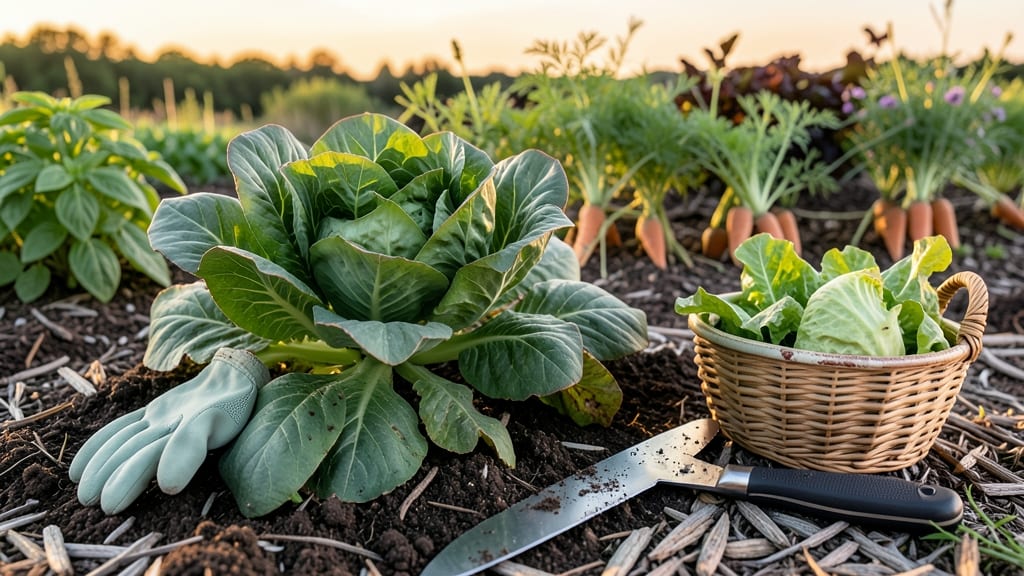
Garden lettuce 🥬 is ready to pick when its outer leaves reach 4–6 inches and stay crisp, not woody—about 60 days after planting for most varieties.
Ever pulled a leaf only to find the center still stubbornly small? That’s a classic sign of waiting too long—or worse, harvesting at the wrong stage. The difference between tender greens and bitter, bolted stems often comes down to timing and knowing which leaves to snip first.
Leaf size, color, and texture are your best clues, but seasonal heat can speed up maturity. A leaf-by-leaf approach lets you stretch your harvest for weeks, while cutting too much at once sends your lettuce into a bitter panic.
Below, I’ll walk you through the exact cues to watch for—and how to keep your plants producing long after the first pick.
You’ll also learn how to salvage overripe lettuce, adjust for spring vs. fall growth, and avoid the three biggest mistakes that turn crisp heads into tough, flavorless disappointment. Ready to master the art of the perfect pull?

How to identify perfectly harvestable lettuce leaves by size and texture
Harvesting lettuce at the perfect moment transforms your garden into a crisp, flavorful salad source. The key lies in understanding visual and tactile cues that signal readiness. For butterhead varieties, aim for leaves reaching 4-6 inches, while romaine and crisphead varieties should hit 6-8 inches for ideal texture.
These size benchmarks ensure maximum tenderness and sweetness.
Beyond size, pay attention to leaf texture—mature lettuce leaves should feel firm yet pliable, not brittle or rubbery. Run your fingers along the leaf edges; they should bend slightly without snapping.
This tactile test helps distinguish between underripe (too tough) and overripe (bitter) lettuce. Color also plays a role: deep, vibrant green indicates peak freshness, while yellowing edges suggest stress or bolting.
Don’t overlook the stem condition—it’s a hidden indicator of maturity. Healthy stems should be crisp and white near the base, not woody or hollow. If stems feel thick or fibrous, your lettuce may be past its prime.
For leaf lettuce varieties, like loose-leaf or romaine, you can harvest leaf-by-leaf, which encourages continuous regrowth and extends your harvest window.
Seasonal timing also impacts readiness. In spring and fall, lettuce matures faster due to cooler temperatures, while summer heat can cause bolting. If your lettuce starts sending up tall flower stalks, it’s a clear sign you waited too long.
To prevent this, harvest outer leaves first and leave the inner leaves to keep growing. This method works for 90% of lettuce varieties and maximizes your yield.
Here’s a quick reference to help you identify the perfect harvest moment for your lettuce:
| Lettuce Type | Ideal Leaf Size | Texture | Color | Harvest Tip |
|---|---|---|---|---|
| Butterhead | 4-6 inches | Soft, tender | Deep green | Harvest outer leaves first |
| Romaine | 6-8 inches | Crisp, firm | Bright green | Cut entire head when mature |
| Loose-Leaf | 3-5 inches | Tender, flexible | Vibrant green | Pick leaves as needed |
| Crisphead (Iceberg) | 8-10 inches (head) | Crunchy, dense | Pale green | Harvest whole head |
For leaf lettuce varieties, like oakleaf or red leaf, you can harvest continuously by picking 2-3 outer leaves every 1-2 weeks. This method keeps the plant productive for up to 6 weeks longer than a single harvest.
Always use a clean, sharp pair of scissors or your fingers to avoid damaging the plant. Cut or pinch leaves just above a leaf node to encourage new growth.
If you notice yellowing edges or bitter taste, your lettuce may be bolting. This happens when lettuce senses long daylight hours or heat stress. To salvage it, harvest immediately and use the leaves in cooked dishes where bitterness is less noticeable.
For future crops, consider shade cloth during hot afternoons to delay bolting and extend your harvest season.
Another pro tip: Harvest lettuce in the morning when leaves are cool and crisp. This timing ensures the best flavor and texture. Store harvested leaves in a plastic bag with a paper towel in the fridge to maintain freshness for up to 5 days.
With these cues in mind, you’ll never miss the perfect moment to harvest your lettuce again!
🥬
Leaf-by-leaf harvesting schedule: when and how to pick for maximum yield
Harvesting lettuce the right way isn’t just about pulling leaves—it’s about preserving your plant’s growth while ensuring the best flavor and texture. The key is to start harvesting outer leaves first when they reach 4–6 inches for most varieties, leaving the inner leaves to keep growing.
This method works for both loose-leaf and head-forming types, though head lettuce like romaine may need a slightly different approach.
Timing your harvests 1–2 weeks apart prevents over-maturity and bolting, especially during hot summer months. Spring and fall crops behave differently—spring lettuce grows faster in cooler weather, while fall crops may slow down as temperatures drop.
Understanding these seasonal shifts helps you adjust your schedule for a continuous harvest.
- 📏 Check leaf size: Wait until outer leaves reach 4–6 inches (longer for head varieties like romaine).
- 🥬 Inspect texture: Leaves should feel crisp, not woody, with vibrant color (deep green for leaf types, rich red/purple for varieties like Oakleaf).
- ✂️ Harvest outer leaves: Use clean scissors or pruners to snip leaves 1 inch above the base, leaving the inner rosette intact.
- 🌱 Space harvests: Pick every 1–2 weeks to allow regrowth. For head lettuce, harvest the entire head when tightly closed.
- 🌡️ Adjust for season: In spring, harvest more frequently (every 7–10 days); in fall, extend intervals to 2 weeks as growth slows.
- 💧 Post-harvest care: Water deeply after picking and fertilize lightly with 5-10-10 to encourage regrowth.
For loose-leaf varieties like Buttercrunch or Oakleaf, you can harvest up to 80% of the plant over time by always targeting the largest outer leaves. Head lettuce, however, should only have its outer leaves trimmed until the head is fully mature—then harvest the whole plant to avoid bitterness.
Pro tip: Morning harvests yield the crispiest leaves, as evening heat can make them wilt faster.
Seasonal adjustments are critical. In spring, lettuce matures quickly due to cooler temps, so you might harvest every 7–10 days. But by late summer, heat stress can force bolting—so switch to harvesting entire plants before they flower.
Fall crops often slow down, so space harvests 2 weeks apart and protect plants with row covers if frost threatens.
Over-harvesting is the #1 mistake that turns your lettuce into a bitter, tough mess. Never remove more than ⅓ of the plant at once, and always leave at least 3–4 inner leaves to keep photosynthesis going.
If your lettuce starts to bolt (sends up a tall flower stalk), it’s past its prime—though you can still harvest leaves for cooking before they turn bitter.
With this schedule, you’ll enjoy fresh lettuce for weeks, not just days. The secret? Patience and precision—harvesting just the right leaves at the right time keeps your plants happy and your salads crisp. Happy harvesting! 🥬