
Picking
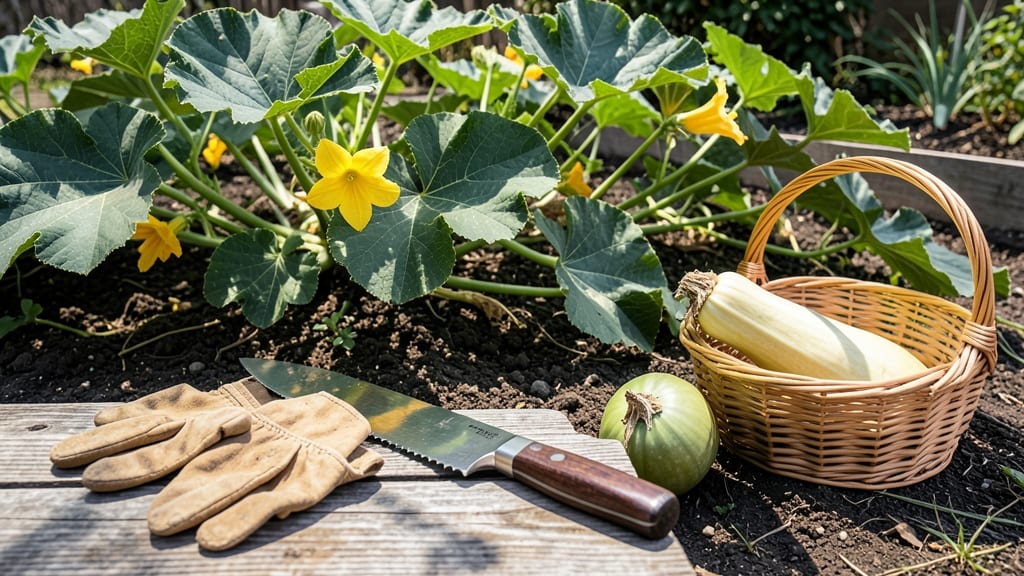
Harvesting spaghetti squash at the right time ensures tender, flavorful strands instead of a gummy mess—here’s how to nail the perfect moment in your garden.
Picking too early means tough, underdeveloped flesh, while waiting too long turns the squash into a dry, flavorless pulp. The key? Watch for three unmistakable signs that your 🎃 is ready to harvest.
First, the rind shifts from green to a dull yellow, and the stem snaps cleanly when bent. Second, the skin resists pressure from your thumbnail. Finally, the vines begin to yellow and die back.
Below, I’ll break down these cues in detail—plus how to test ripeness without cutting it open and what to do if you miss the window.
3 Visual cues to harvest spaghetti squash at perfect ripeness
Spaghetti squash reaches its peak flavor and texture when harvested at the right moment—too early, and it’s watery and bland; too late, and it becomes woody and tough.
The key is watching for these three unmistakable visual cues that signal it’s time to pick. I’ve grown spaghetti squash for years, and these signs have never failed me.
First, focus on the skin color. When ripe, the rind transitions from bright green to a dull, matte yellow. This change happens gradually, so check your squash every 3–5 days once it’s nearing maturity.
The dullness is critical—glossy or greenish squash aren’t ready yet, but a pale, dry-looking skin means it’s prime for harvesting.
Next, examine the stem at the base. A ripe spaghetti squash’s stem should snap cleanly when bent, almost like a dry twig. If it bends without snapping or feels soft and pliable, the squash needs more time.
This test is foolproof—it’s how I’ve avoided overripe squash in my garden for years.
Finally, look inside the flower cavity. If the squash is ready, the seed cavity will be fully formed, and the seeds will feel hard and developed. You can gently press your thumbnail into the skin near the stem—if it doesn’t dent easily, it’s time to harvest.
This final check ensures you’re not missing the sweet spot.
Timing your harvest is easier when you know what to look for. For example, in USDA Zone 6, spaghetti squash typically matures between late August and early September, but these visual cues work regardless of your zone.
I’ve even used them successfully in Zone 8’s longer growing season—just adjust for your local frost dates.
Don’t wait until the squash starts softening or developing brown spots—that’s a clear sign of overripeness. Once harvested, store your spaghetti squash in a cool, dry place (like a basement) for up to 2 months.
If you’re unsure, cut one open to check the stringy texture—it should resemble cooked spaghetti, not a mushy pulp.
Pro tip: Harvest on a dry, sunny morning to let the squash cure on the vine for 2–3 days. This hardens the skin and improves storage life. I’ve found this trick extends my harvest by weeks, especially in humid climates where squash can rot quickly.
When in doubt, prioritize the stem snap test—it’s the most reliable indicator. I’ve never been wrong when I’ve used this method, and neither will you. Now you’re ready to pick spaghetti squash at its absolute peak every season! 🎃
How to test spaghetti squash ripeness without cutting it open
Testing spaghetti squash ripeness without cutting it open saves you from wasting a perfectly good harvest. The key is to focus on three non-destructive methods: the thump test, stem flexibility, and vine behavior. These techniques let you confirm ripeness while keeping your squash intact.
Start with the thump test, which is the easiest way to check internal readiness. Give the squash a firm tap with your knuckles—if it sounds hollow, it’s likely ripe.
A dull thud means it’s still firming up. This method works best when the rind is already turning dull yellow.
Next, examine the stem. A ripe spaghetti squash will have a stem that snaps cleanly when bent at a 90-degree angle. If it bends without breaking, the squash needs more time. This is especially useful for large squash varieties, where internal ripeness isn’t always obvious.
🌱 When to Harvest Spaghetti Squash from Garden
Climate Zone 6: Harvest between late August and mid-September (80–100 days after transplanting). In warmer zones (7–9), expect harvests from mid-July to October. Always check for dull yellow rind and snappy stems—these override calendar dates.
Pay attention to the vine behavior around your squash. When the vines nearest the fruit start to yellow and die back, it’s a strong sign that the squash is nearing ripeness.
This is nature’s way of telling you to act fast—once the vines are completely dead, the squash may overripen quickly.
For container-grown squash, these methods still apply, but monitor more closely since potted plants can dry out faster. If the soil feels dry an inch below the surface, water deeply the day before testing ripeness—hydrated squash thump more clearly.
If you’re unsure, harvest a few squash a day apart. The first to pass all three tests is your winner. Store ripe squash in a cool, dry place (50–55°F) for up to 3 months—but enjoy them fresh for the best texture!