
Picking
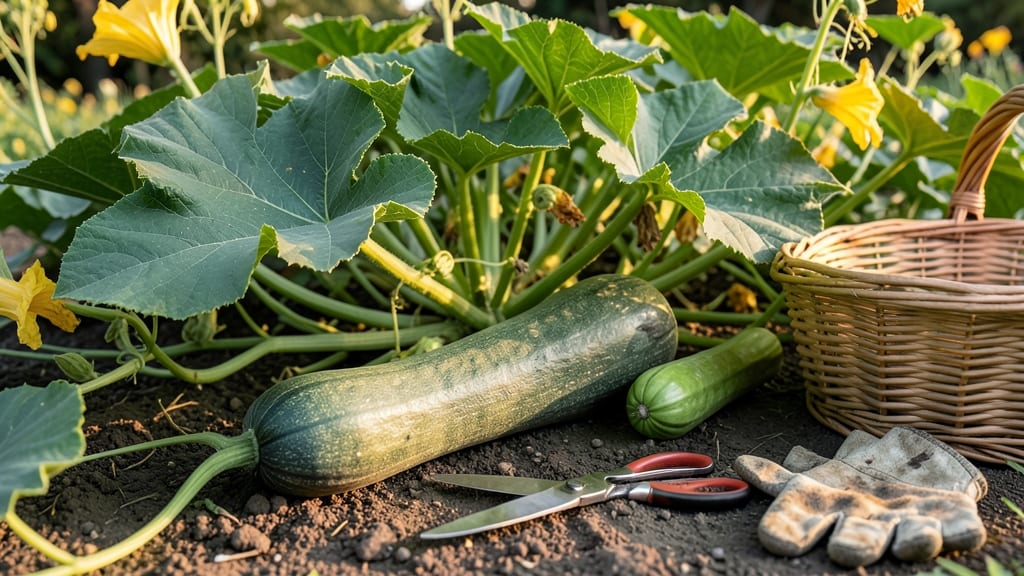
Picking spaghetti squash from your garden at the right time means the difference between tender, noodle-like strands and tough, stringy disappointment — and the key is knowing when the 🎃 is truly ready.
Picture this: you’ve waited months for your spaghetti squash to mature, only to slice into it and find the flesh still too firm or the flavor underwhelming. That’s why timing matters — and it’s not just about days since planting.
The stem’s firmness, the rind’s color, and even the sound when tapped all signal the perfect harvest window.
In Zone 6a, where many gardeners grow this squash, the ideal harvest window stretches from late summer to early fall, typically between September and October.
But climate shifts or late plantings can throw off that schedule, which is why checking for ripeness — not just counting days — is the game-changer.
Below, I’ll walk you through the three foolproof signs of ripeness, how to adjust for your local frost dates, and what to do if you miss the window. No more guesswork, just perfect, restaurant-quality squash every time.
How to tell when spaghetti squash is ripe: the 3 key signs
Spaghetti squash transforms from a tough, unappetizing gourd into a delicate, stringy delight when harvested at the perfect ripeness. Miss the window, and you’ll end up with woody flesh or bland flavor. The key is mastering these three visual and tactile cues—no guesswork required.
Start by checking the rind color, which shifts from vibrant green to a dull yellow as the squash matures. This change signals the squash is nearing peak ripeness, but don’t harvest just yet—you’ll need to confirm with the other two signs.
Next, focus on the stem firmness, the most reliable indicator of ripeness. A ripe spaghetti squash will have a woody, dry stem that resists pressure when you twist it. If the stem snaps easily or feels soft, the squash needs more time on the vine.
This firm stem twist test is your fail-safe method to avoid overripe or underripe squash. Combine this with the rind color, and you’re already 80% of the way to a perfect harvest.
Finally, examine the seed pod changes inside the blossom end (the flat side where the stem attaches). When ripe, the seed cavity will show dry, brown seeds surrounded by a slightly shriveled, papery texture. If the seeds are still white or the cavity feels moist, the squash isn’t ready.
This final check ensures you’re harvesting at the ideal sweetness peak, when the flesh separates into those coveted, tender strands.
Let’s talk about that firm stem twist test in more detail, because this is where many gardeners go wrong. Grab the squash near the stem and twist firmly with your fingers. If the stem snaps cleanly or feels dry and crisp, it’s ripe.
If it bends or feels soft, wait 3-5 more days. Pro tip: Do this test in the morning after watering, when the stem is at its firmest. Overripe squash will have a shriveled stem that cracks easily—this means the flesh inside may be stringy or hollow.
Another pro move? Pay attention to the vines and leaves. When spaghetti squash is ready, the vines will start yellowing and the leaves may curl or die back. This is your plant’s way of saying, “It’s time!”
But don’t wait until the vines are completely dead—harvest just as they begin to wilt slightly. In cooler climates, this might happen earlier in the season, so stay vigilant.
If a light frost is forecast, harvest immediately, even if the squash isn’t perfectly ripe, as frost can turn the flesh mushy and inedible.
Climate plays a huge role in ripening time. In hot, dry regions, spaghetti squash may ripen faster (as early as 80 days), while cooler or wetter areas could extend maturity to 100+ days.
If you’re in a short growing season, choose faster-maturing varieties like ‘Tivoli’ (85 days) over slower ones like ‘Honeynut’ (100+ days). Always adjust your harvest timeline based on your local first frost date—aim to pick before temperatures drop below 50°F (10°C).
One common mistake is assuming size equals ripeness. A spaghetti squash can grow large but still be underripe inside if the rind is green or the stem is soft. Size matters less than the three ripeness cues we’ve covered.
For reference, a ripe spaghetti squash typically weighs 3-8 pounds, but don’t rely on weight alone. Instead, combine all three signs: dull yellow rind, woody stem, and dry seed pod. This trio guarantees the best flavor and texture.
Once you’ve confirmed ripeness, harvest using a sharp knife or pruners, cutting the stem about 1 inch above the squash. Leave the stem attached—it helps the squash cure and store longer.
After harvest, place the squash in a warm, dry spot (like a garage or porch) for 7-10 days to cure. This step hardens the rind and intensifies the flavor. Avoid storing spaghetti squash in the fridge until it’s fully cured, as cold temperatures can soften the
Spaghetti squash harvest timeline: days to maturity by variety
Knowing when to harvest your spaghetti squash depends on both the variety you're growing and your local climate conditions. While most varieties reach maturity in 85-105 days, cooler climates may extend this timeline by 10-20 days.
Early varieties like 'Tivoli' can be ready in as few as 80 days, while heirloom types may take up to 120 days to fully ripen.
Your first frost date is another critical factor—planting too late in the season can leave your squash vulnerable to premature frost damage. In USDA Zone 6a (like much of the Midwest), aim to harvest before mid-October to avoid cold snaps that turn flesh watery and bland.
Adjust planting dates 2-3 weeks earlier if you're in a shorter growing season.
For early harvests, focus on varieties like 'Tivoli' and plant in well-draining raised beds to speed up maturity.
If you're in a hotter climate (Zones 8-10), you can extend your harvest window by planting in late summer for a fall crop, but prioritize shade cloth to prevent sunscald on the rind.
Monitor your squash's growth stages closely—vines will yellow and die back naturally as the fruit matures. If your plants show signs of powdery mildew (white spots on leaves), harvest 2-3 weeks early to avoid flavor loss.
Always use a sharp pruning saw to cut stems cleanly, leaving 1-2 inches of stem attached to preserve freshness.
Pro tip: Cure your squash for 5-7 days in a warm, dry place (70-80°F) before storing. This hardens the skin and concentrates flavors. Store cured squash in a cool, dark place (50-55°F) where it’ll keep for 2-3 months—perfect for winter meals.