
Pruning
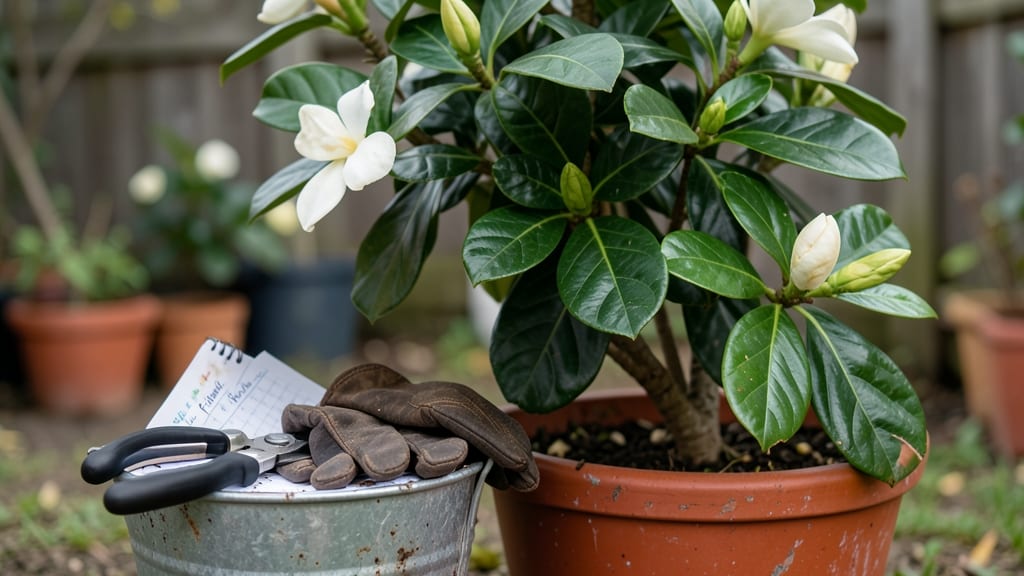
Pruning gardenias in Georgia at the right time ensures year-round blooms while avoiding frost damage and leggy growth.
Picture this: you’ve spent months nurturing your 🌸 gardenias, and now, just as the flowers start fading, you’re left wondering if that late prune will ruin next season’s blooms.
Georgia’s warm winters and humid summers make timing everything—prune too early, and you risk frost damage; too late, and you miss the bloom cycle entirely.
The key is pruning after the last frost (around mid-March) but before new growth kicks in. This spring window is your best shot at encouraging lush, fragrant blooms without stressing the plant.
But here’s the catch: Georgia’s 7b-8b climate means microclimates can shift your timing by weeks—so knowing your exact zone matters.
In this guide, I’ll break down the exact months to prune, how to shape your gardenias for maximum blooms, and what to avoid (like over-pruning or cutting into old wood).
By the end, you’ll have a pruning schedule tailored to your Georgia garden, so your gardenias stay healthy, happy, and overflowing with fragrance.
Best pruning windows for Georgia gardenias: month-by-month bloom timing
Georgia’s gardenias thrive in our humid subtropical climate, but their blooming cycles depend heavily on pruning timing. Prune at the wrong time, and you’ll sacrifice next year’s flowers or stress your plant. The key is understanding bloom formation periods and aligning pruning with Georgia’s frost-free windows.
Gardenias bloom on old wood, meaning flowers form on last year’s growth. This makes timing critical—prune too late, and you’ll cut off next season’s buds.
In Georgia’s USDA Zones 7b-8b, we have two primary pruning windows: late winter/early spring and post-bloom summer. Let’s break down the best months for each.
Here’s your month-by-month pruning calendar for Georgia gardenias, tailored to maximize blooms and plant health:
| Month | Pruning Window | Action | Why It Matters |
|---|---|---|---|
| January | ❌ Avoid | None | Risk of late frost (after March 15) damages new growth. |
| February | ✅ Light Pruning | Remove dead/diseased wood only | Preps plant for spring growth without disturbing buds. |
| March | ⭐ Best Time | Heavy pruning (after last frost) | Encourages new growth for summer blooms; buds form on current year’s wood. |
| April | ✅ Light Maintenance | Shape plant; remove spent blooms | Promotes airflow and prevents powdery mildew in Georgia’s humidity. |
| May-July | ❌ Avoid | None (blooming season) | Pruning now removes next year’s flower buds forming on old wood. |
| August | ✅ Post-Bloom Prune | Deadhead spent blooms; light shaping | Prevents seed formation and redirects energy to fall growth. |
| September-October | ❌ Avoid | None | Plant prepares for dormancy; pruning stresses it before winter. |
| November | ✅ Minimal Cleanup | Remove dead/diseased branches | Prevents winter pests and fungal growth in damp Georgia winters. |
| December | ❌ Avoid | None | Plant is dormant; pruning causes stress in cold weather. |
Georgia’s northern regions (Zone 7b) like Athens or Dahlonega
How to prune gardenias without killing future blooms: step-by-step technique
Pruning gardenias correctly is all about timing and technique. I’ve learned the hard way that cutting too aggressively or at the wrong time can leave your shrub struggling to produce those fragrant blooms you love.
The key is to focus on shaping, deadheading, and rejuvenation pruning—all while preserving the plant’s energy for next season’s flowers.
Start by identifying last year’s growth, which is where new blooms will emerge. Gardenias bloom on new wood, so avoid cutting into old, woody stems unless you’re doing a rejuvenation prune.
Use sharp, sterilized pruners to make clean cuts just above a leaf node or bud. This simple step prevents disease and encourages healthier regrowth.
⚠️ callout-warning
Georgia’s late spring heat (May-June) can stress gardenias if pruned too aggressively. Cutting back more than 1/3 of the plant at once forces it to focus on regrowth instead of blooming. Also, never prune after July—this disrupts the plant’s natural dormancy cycle, leading to fewer flowers next season.
✅ Do: Prune in March-April for spring blooms.
❌ Don’t: Cut into old wood or prune after July 1st.
For shaping prunes, step back and visualize the plant’s natural form. Remove crossing branches or those growing inward to improve airflow and sunlight penetration. Aim for an open, vase-like shape—this encourages light to reach the center, where most blooms form.
Thin out crowded areas by cutting branches back to their origin point, but never remove more than 25% of the foliage in one session.
Deadheading spent blooms is a year-round task that keeps your gardenias looking tidy and encourages continuous flowering. Simply snip off the faded blossoms just above the next set of leaves using your pruners.
This redirects the plant’s energy from seed production to growing new flowers. I deadhead mine weekly during peak bloom season (spring and fall) to maximize fragrance and color.
If your gardenia looks overgrown or leggy, a rejuvenation prune in early spring can revive it. Cut back 1/3 of the oldest stems to the ground, focusing on the thickest, woody branches.
This aggressive approach stimulates new growth from the base, but it may take a year or two for the plant to recover and bloom again. Water deeply and fertilize with acidic plant food afterward to support recovery.
After pruning, give your gardenias a light layer of mulch (2-3 inches) to retain moisture and regulate soil temperature. Avoid piling mulch against the stem, as this can cause rot.
Finally, monitor for pests like spider mites or fungal issues, which are more likely after pruning. A neem oil spray keeps them at bay while your plant recovers.