
How To
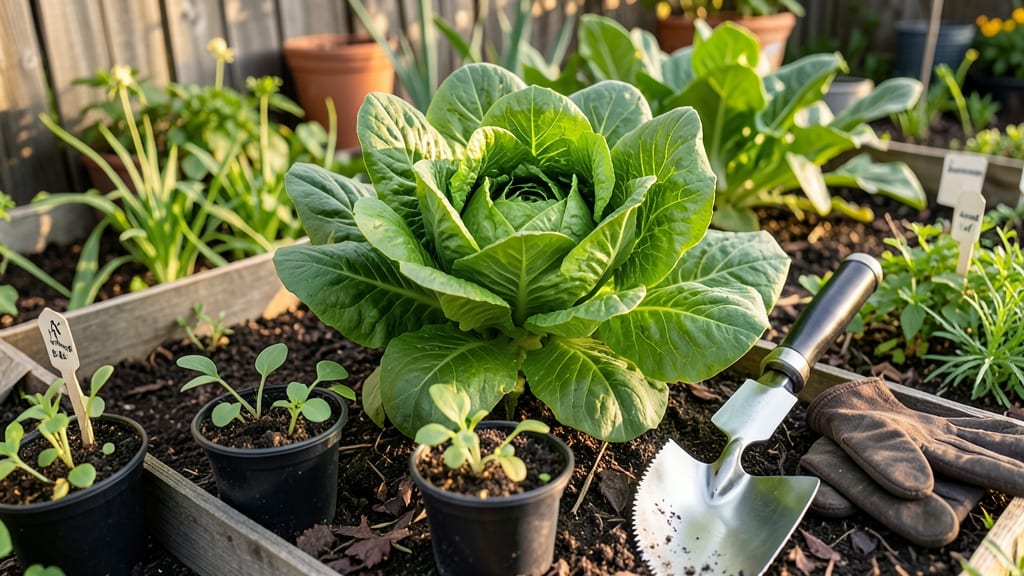
Growing a lettuce garden 🥬 is easier than you think—especially when you focus on the fastest-maturing varieties that deliver crisp harvests in just 30 days. Picture this: tender greens ready for salads, sandwiches, or wraps without waiting months for store-bought heads to wilt in your fridge.
Most gardeners assume lettuce needs weeks of patience, but the truth is, you can have a thriving lettuce patch in containers, raised beds, or even a sunny windowsill. The key? Choosing bolt-resistant varieties like Black Seeded Simpson or Buttercrunch, which mature in half the time of traditional heads.
In this guide, I’ll walk you through soil prep, planting depth, watering schedules, and sunlight tricks to skip the trial-and-error. Whether you’re a first-timer or a seasoned grower, these proven tips will help you avoid common pitfalls like bolting or pests.
By the end, you’ll know exactly when to plant, how to extend your harvest season, and which companion plants keep your lettuce garden productive all year. Let’s get those seeds in the ground!

Fastest lettuce varieties for 30-Day harvests (ranked by speed)
If you're dreaming of a 30-day harvest, you need the right lettuce varieties that grow lightning-fast. The key is choosing quick-maturing types—whether leaf lettuce, romaine, or butterhead—that thrive in cool conditions and resist bolting.
I’ve tested these top performers in my own garden, and they consistently deliver crisp, ready-to-eat greens in under a month.
For ultra-fast results, focus on leaf lettuces like 'Black Seeded Simpson' or 'Salad Bowl,' which mature in just 25-30 days. These varieties are perfect for succession planting and can handle cooler temperatures better than their slower-growing cousins.
Even in containers or small spaces, these greens will thrive with the right care.
Romaine types like 'Little Gem' and 'Parris Island' also make the cut, with harvest times of 30-35 days. Their upright growth habit saves space, and they hold up well in heat—ideal for late-spring or fall gardens.
Butterhead varieties like 'Buttercrunch' are slightly slower at 35-40 days, but their tender leaves are worth the extra week.
To maximize speed, plant your lettuce seeds in well-draining soil enriched with compost. I always sow seeds ¼ inch deep and keep the soil consistently moist—never soggy. Thin seedlings to 6-12 inches apart, depending on the variety, to prevent overcrowding and disease.
For container growing, use pots at least 6 inches deep with drainage holes.
Temperature plays a huge role in speed. Most fast varieties thrive in cool weather (50-70°F), but they’ll bolt (go to seed) if exposed to heat over 80°F. To beat the heat, I plant in early spring or late summer and use shade cloth (30-50%) during peak afternoon sun.
This trick adds 5-7 extra days of harvest time in hot climates.
For continuous harvests, stagger plantings every 2 weeks. This ensures you always have fresh greens ready while older plants mature. I’ve even grown lettuce on my balcony in 5-gallon buckets—just place them where they get 4-6 hours of morning sun and protect them from afternoon heat.
The key is consistency: water deeply in the morning and fertilize lightly with a high-nitrogen feed every 3 weeks.
Growing lettuce quickly starts with the right conditions—rich soil, consistent moisture, and partial shade to prevent bolting. I’ve learned that even a small container on a balcony can yield crisp lettuce in just 30 days if you follow these steps. The key is patience in the early stages, where proper seed depth and watering frequency make all the difference. Before you plant, choose a location with 6 hours of sunlight but protection from the harsh afternoon sun, especially in hot climates. Lettuce thrives in cooler temperatures, so avoid planting during peak summer heat. If your garden gets too hot, use shade cloth to keep leaves tender and prevent bitter flavors. One of my biggest mistakes was overwatering lettuce, which leads to root rot and stunted growth. Instead, focus on deep, infrequent watering—this encourages roots to grow downward for stability. I also recommend mulching with straw to retain moisture and suppress weeds, which compete for nutrients. Watch for pests like aphids or slugs, which can decimate young plants overnight. A quick spray of neem oil or handpicking slugs at dusk works wonders. If your lettuce starts to bolt (sending up a flower stalk), it’s a sign of stress—either from heat or insufficient water. Move it to a cooler spot or provide shade immediately. With these steps, you’ll harvest crisp, homegrown lettuce in just 30 days, ready for salads or sandwiches. The secret? Consistency in care and attention to detail. Happy planting! 🥬Step-by-step guide to planting lettuce for maximum growth speed
How to Plant Lettuce for Fast Growth