Tools
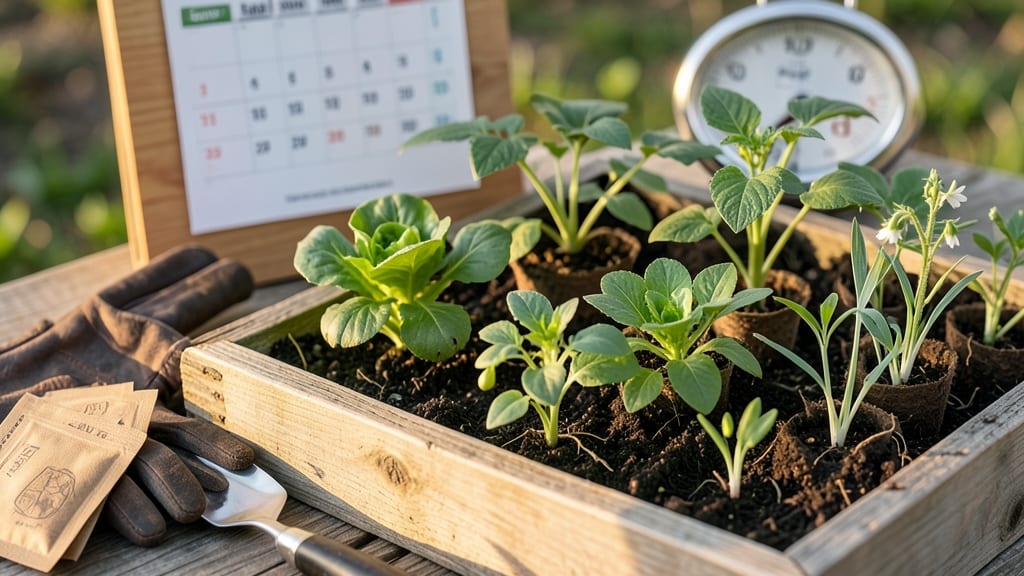
Starting your vegetable garden at the right time can mean the difference between a bountiful harvest and a season of frustration — and the best months depend on your hardiness zone, not just your enthusiasm.
Timing your vegetable garden planting can mean the difference between thriving harvests and struggling seedlings—knowing the ideal months for your hardiness zone is the secret to success.
In Zone 6a, like much of the Midwest, the window for cool-season crops like spinach and kale opens in early spring, while warm-season favorites like tomatoes and peppers wait until after the last frost. Miss the mark, and you risk stunted growth or wasted effort.
Below, I break down the fastest, most reliable planting schedules by zone, plus how to adjust for local microclimates, soil prep tricks, and the one mistake even experienced gardeners make.
Best planting months by USDA hardiness zone for maximum growth
Timing your vegetable garden planting can make or break your harvest. Cool-season crops like spinach and kale thrive in spring and fall, while warm-season crops such as tomatoes and peppers need warm soil and air to grow.
Your USDA hardiness zone determines the perfect window—let’s break it down by zone so you can plan with confidence.
First, find your last frost date (average date when frost ends) and first frost date (average date when frost returns). These dates create your planting window.
For example, in Zone 5, you’ll plant cool-season crops 4-6 weeks before last frost (typically March-April) and warm-season crops 2 weeks after last frost (usually mid-May).
Here’s a quick reference for Zones 3-10, covering everything from Alaska’s coldest climates to Florida’s warm winters. Use this table to align your planting with your zone’s natural rhythm.
In Zones 3-4, where winters are harsh, focus on early spring planting (March-April) for cool-loving crops. Use row covers or cold frames to extend the season by 2-4 weeks.
For example, spinach can bolt in heat, so plant it in early spring or late summer for a second harvest.
If you’re in Zones 5-6, you have a longer window for warm-season crops. Start tomatoes and peppers indoors 6-8 weeks before last frost, then transplant after soil temperatures hit 60°F.
In Zone 6a, this is usually mid-May, but check your local frost-free date—it can vary by 1-2 weeks even within the same zone.
For Zones 7-8, you can plant year-round with careful planning. Spring planting (February-March) avoids summer’s extreme heat, while fall planting (August-September) lets you grow cool-season crops like broccoli and cabbage. Use drip irrigation to keep roots cool during peak summer months.
In Zones 9-10, where winters are mild, focus on fall and winter planting. Leafy greens like kale and Swiss chard thrive in cool weather, while summer crops (like okra) need consistent heat.
Plant warm-season crops in early spring (February-March) to avoid the hottest summer months, which can stress plants.
Regional exceptions matter! For example, coastal areas (like Zone 8 California) may have cooler summers than inland zones, allowing for extended warm-season planting. Meanwhile, desert zones (like Zone 9 Arizona) can plant year-round with adequate irrigation.
Always adjust for your microclimate—urban areas heat up faster, while shaded spots stay cooler.
Pro tip: Use seed packet guidelines as a starting point, but adjust for your zone. For instance, basil needs warm soil, so wait until after last frost—even if the packet says “plant in spring.”
And if you’re unsure about your last frost date, check your local cooperative extension office or use a frost calendar app.
By aligning your planting with your USDA zone, you’ll avoid frost damage, bolting, and poor germination
How to adjust planting times for your local climate and microclimate
Your USDA hardiness zone gives you a starting point, but microclimates can shift planting times by weeks. Urban areas often experience urban heat islands that warm soil faster, while coastal regions may have cooler temperatures due to ocean breezes.
Even a 500-foot elevation change can delay your last frost by 2-3 weeks. Understanding these factors lets you extend your growing season by 2-4 weeks—sometimes even more!
Start by observing your garden's unique conditions. Notice how sunlight patterns change in different spots—some areas might get full sun while others remain shaded. Check soil temperature with a soil thermometer (ideal for seeds: 60-70°F for most vegetables).
These small adjustments can transform your garden's productivity and help you harvest earlier or grow later into the season.
🌱 5 Microclimate Adjustments to Extend Your Growing Season
- Urban Heat Islands: Plant heat-loving crops (like tomatoes and peppers) 1-2 weeks earlier than zone guidelines. Use shade cloth for delicate greens.
- Coastal Wind Exposure: Delay frost-sensitive plants by 10-14 days. Use windbreaks or choose wind-resistant varieties like kale or Swiss chard.
- Elevation Changes: Subtract 3-5 days of growing season per 1,000 feet gained. High-altitude gardens may need row covers for earlier starts.
- Black Plastic Mulch: Warms soil by 5-10°F, letting you plant 2-3 weeks earlier. Remove after soil warms naturally to avoid overheating.
- Row Covers/Frost Blankets: Extend fall harvests by 3-4 weeks. Secure covers tightly to prevent wind damage and allow airflow for ventilation.
For urban gardens, black plastic mulch is a game-changer. It absorbs sunlight and radiates heat back into the soil, creating a microclimate that mimics a warmer zone.
I’ve seen spinach and radishes sprouting weeks earlier than neighboring gardens. Just remember to remove it once soil temperatures stabilize above 70°F to prevent overheating tender roots.
Coastal gardeners face different challenges. Ocean winds can delay soil warming by 1-2 weeks, so I recommend starting seeds indoors and transplanting only after 3 consecutive days above 50°F.
Choose salt-tolerant plants like quinoa or beets if your soil has higher salinity. A simple windbreak made of burlap or evergreen branches can also protect young seedlings.
Elevation plays a sneaky role too. If you live at 3,000 feet or higher, your last frost might arrive 2 weeks later than the official zone date. I’ve adjusted planting times by checking local weather stations or using frost-free date calculators that account for elevation.
For high-altitude gardens, cold-hardy varieties like potatoes or carrots thrive with minimal adjustments.
Don’t overlook the power of season extenders. Lightweight row covers or low tunnels can push fall harvests into November or even December in mild climates. I’ve used them to grow bok choy and lettuce well past the first frost.
Just remember to secure them tightly—even a 10 mph wind can lift covers and expose plants to cold damage.
Your garden’s microclimate is unique, so experiment with these tricks and keep a planting journal. Note which adjustments work best for your space, and you’ll soon master the art of timing your harvests like a pro. 🌱