
Plants
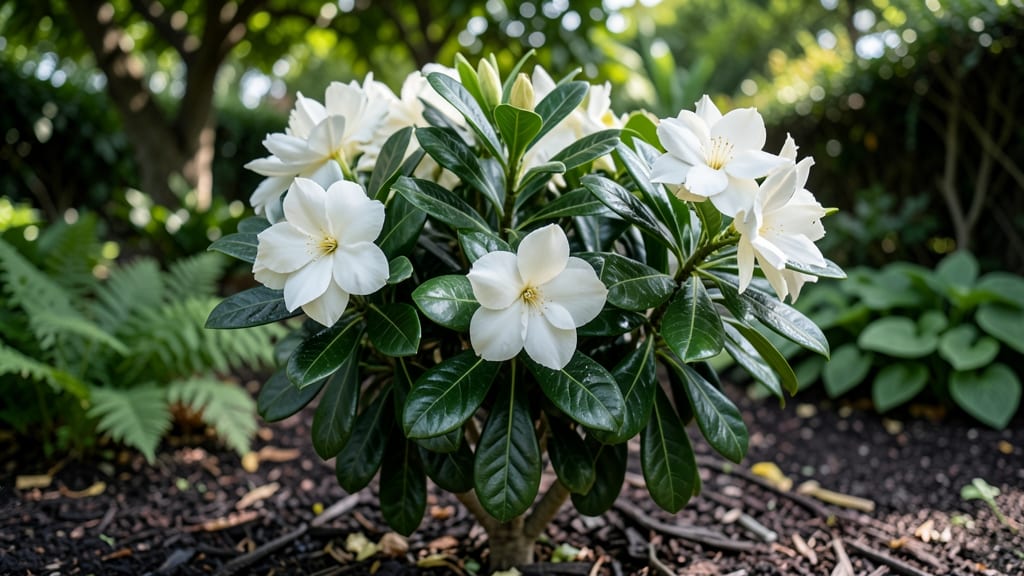
A gardenia plant blooms between late spring and early fall, with peak fragrance arriving in June or July in most climates — but timing can shift dramatically based on where you live and how you care for it.
Picture this: you’ve nurtured your 🌸 gardenia all season, only to wake up one morning and find no sign of those dreamy white blooms. The truth?
Gardenias are finicky about temperature, sunlight, and even the soil pH. A few tweaks can push blooms earlier—or delay them entirely if you’re not careful.
In USDA Zone 6a, like much of the Midwest, gardenias typically start budding in May after the last frost, with full blooms by June. But in warmer zones like Florida or California, they might bloom as early as April or stretch into September.
The key? Understanding your local climate and adjusting care to match.
Below, I’ll break down exactly when to expect blooms in your area, how to spot the first signs of buds, and the three simple tricks to encourage earlier—and more abundant—flowers. No more guessing, just fragrant success.
Gardenia bloom timing by US hardiness zones: month-by-month breakdown
Timing your gardenia blooms is like predicting a fragrant symphony—each USDA hardiness zone has its own rhythm. These tropical beauties (Gardenia jasminoides) need precise temperature cues to set buds, and understanding your zone’s frost-free window is key.
In Zone 7, expect blooms to arrive later than in Zone 11, where they might flower year-round with proper care. Let’s break down when to anticipate those intoxicating white blooms based on where you live.
Your gardenia’s bloom cycle starts with warm spring nights (above 60°F) and consistent daytime temperatures. In cooler zones like Zone 7, blooms often kick off in late May, while warmer climates like Zone 10-11 may see buds forming as early as March.
The secret? Your plant’s dormancy period—shorter in warm zones, longer in cooler ones—dictates when it “wakes up” to bloom. Let’s map it out month-by-month for your zone.
🌱 PRO TIP: Use your last frost date as a starting point. Gardenias in Zone 8 typically bloom 6-8 weeks after the last frost, while those in Zone 9-11 may start even earlier if winter temps stayed above 50°F. Track your local chill hours—gardenias need 0-100 hours below 45°F to avoid bud drop.
| USDA Zone | Early Bloom Window | Peak Bloom Period | Late Bloom Window | Key Temperature Trigger | Climate Notes |
|---|---|---|---|---|---|
| Zone 7 | Late May | June–July | Early August | Consistent 70°F+ nights | May need winter protection |
| Zone 8 | Mid-April | May–June | Late July | 60°F+ for 4+ weeks | Humidity helps prevent bud drop |
| Zone 9 | Early March | April–May | June | 55°F+ minimum temps | Year-round blooms possible |
| Zone 10-11 | February | March–April | May–June | No frost risk year-round | May rebloom in fall with care |
In Zone 7, your gardenia’s blooms are a summer spectacle, typically peaking in June-July when daytime highs hit 80°F+. The key trigger here is consistent warmth—if nights dip below 60°F, buds may abort.
To extend the season, mulch heavily in early spring to insulate roots and encourage earlier bud set. In my own Zone 7b garden, I’ve found that adding a lightweight frost blanket in late fall helps protect buds during unexpected cold snaps.
Gardeners in Zones 8-9 enjoy a longer bloom window, often starting as early as March and stretching into July. The Radicans variety, in particular, thrives here and may produce secondary blooms in fall if given consistent moisture.
Pay attention to humidity levels—gardenias in dry climates (like Southern California) may need daily misting to prevent buds from drying out before opening. I’ve seen Zone 9 gardenias rebloom in September if pruned lightly after the first flush!
For those in Zones 10-11, gardenias are nearly tropical annuals, with blooms appearing year-round if conditions are ideal. The Fortuniana variety is a top pick here, offering larger blooms and better heat tolerance.
In these zones, the real challenge is preventing bud drop from heat stress—provide afternoon shade during 100°F+ spells and water deeply at the base (never overhead) to mimic their native rainforest habitat. My Zone 10 gardenia blooms every 6-8 weeks with this care!
🌿 CLIMATE HACK: If you’re in a transition zone (e.g., Zone 7b-8a), consider planting ‘Kleim’s Hardy’, a cold-tolerant cultivar that blooms 2-3 weeks earlier than standard varieties. This hybrid handles 20°F dips and often flowers by late April.
For container gardeners in cooler zones, move pots to a sunny patio in spring to jumpstart blooming—just ensure they’re not exposed to frost.
Predicting your gardenia’s bloom cycle also means watching for bud formation cues.
Look for swollen pink buds in late spring—this is your plant’s way of saying, “Bloom time is near!” In Zone 7, these appear in May; in Zone 11, they may form as early as January.
I once had a Zone 8 gardenia that budded in February after a warm December, proving that temperature spikes can reset the bloom clock. Keep a gardening journal to track these patterns!
One common misconception is that gardenias bloom only once per year. While many varieties have a primary bloom season, with proper care—especially in Zones 9-11secondary blooms in fall. To encourage this, prune lightly after the first
How to accelerate gardenia blooms: light, pruning, and fertilizer tricks
Gardenia plants reward patience with their luxurious, fragrant blooms, but many gardeners struggle to coax them into flowering. The key lies in mimicking their natural tropical environment—especially with sunlight exposure, pruning timing, and nutrient balance.
Even if your gardenia blooms late, these tricks can shift the cycle earlier by 4-6 weeks with consistent care.
Most gardenias bloom between late spring and early summer, but environmental stress—like too much shade or over-pruning—can delay flowers until mid-summer. The good news?
You can retrain your plant’s blooming habits with a few targeted adjustments. Start by analyzing your gardenia’s current conditions and pinpointing where it’s falling short.
- 1 Sunlight Secret: Gardenias need 4-6 hours of morning sun daily. Place them east-facing to avoid afternoon heat stress. South-facing windows work for container plants.
- 2 Pruning Window: Trim right after blooming (June-July) to remove dead flowers and 1/3 of old growth. Never prune in fall or winter—this triggers dormancy and delays next year’s blooms.
- 3 Fertilizer Formula: Use a 10-10-10 NPK blend every 4-6 weeks from April to August. Organic options like fish emulsion or compost tea boost blooms without burning roots.
- 4 Soil pH Fix: Test your soil—gardenias thrive in acidic soil (pH 5.0-6.5). Add sulfur or peat moss if your soil is alkaline. Yellow leaves signal high pH and stalled blooming.
- 5 Watering Hack: Water deeply in the morning to prevent fungal blooms. Mulch with pine bark to retain moisture and acidify soil naturally—this mimics their tropical habitat.
One of the biggest mistakes gardeners make is over-pruning in winter. Many assume cutting back stimulates growth, but gardenias set next year’s buds in late summer.
If you prune too late, you risk delaying blooms by 6-8 weeks. Instead, focus on light shaping after flowering to encourage bushier growth for more blooms.
For organic fertilizer lovers, composted manure or worm castings provide slow-release nutrients that encourage blooming. Synthetic options like Miracle-Gro Bloom Booster work faster but require monthly applications to avoid salt buildup. Always water thoroughly after fertilizing to prevent root burn.
If your gardenia still refuses to bloom, check for nutrient deficiencies. Yellow leaves with green veins? It’s likely iron chlorosis from alkaline soil. Amend with chelated iron and cover the roots with mulch to acidify the soil gradually.
Patience is key—some gardenias take 2-3 years to mature enough for full blooming.
With these adjustments, you’ll likely see earlier, more abundant blooms next season. Remember, gardenias are sensitive to changes, so introduce one trick at a time and monitor your plant’s response. The reward? A scented, fragrant display that lasts from June through September—or even longer in warm climates.