
Tools
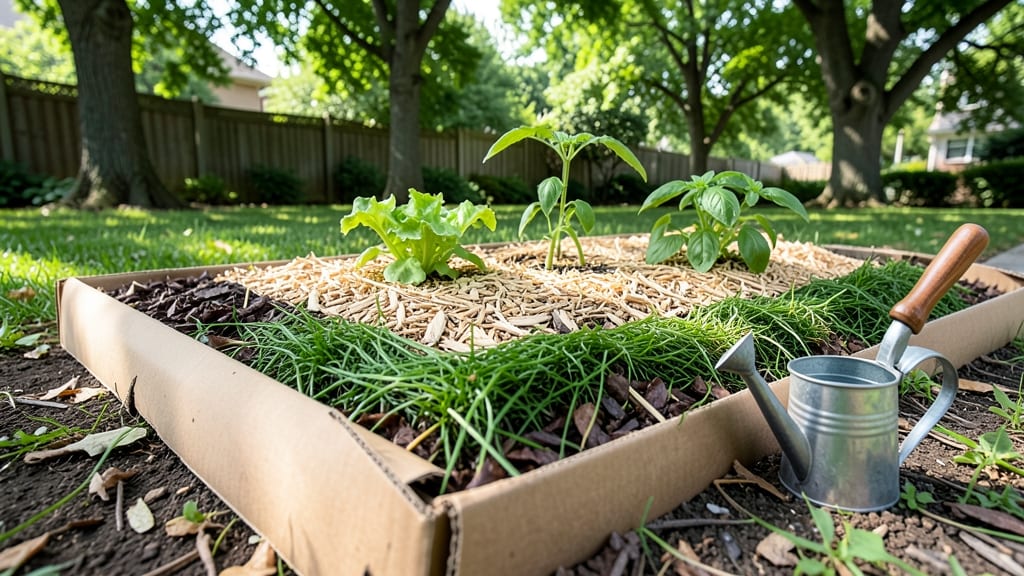
Lasagna gardening is a no-till, layered planting method that mimics composting to create nutrient-rich beds using organic materials like grass clippings, leaves, and cardboard, eliminating the need for traditional soil preparation or synthetic fertilizers.
Lasagna gardening creates a fertile planting bed by stacking organic materials in layers, much like the layers in a lasagna dish.
This method breaks down naturally over time, enriching the soil without tilling or synthetic additives. 🌱 The beauty is in its simplicity—you can build these beds anytime of year, even on poor-quality soil, by alternating carbon-rich "browns" (like newspaper or straw) with nitrogen-rich "greens" (such as grass clippings or coffee grounds).
What makes this technique so popular is its sustainability and efficiency. Unlike traditional gardening, which requires digging and often disrupts soil ecosystems, lasagna gardening preserves beneficial organisms while creating a crumbly, moisture-retaining growing medium.
I've seen gardeners achieve lush harvests in just a few months using this approach, making it perfect for both beginners and experienced growers.
💡 In This Article
- How Lasagna Gardening Builds Healthy Soil Layers
- Best Materials and Layering Techniques for Lasagna Gardens
How lasagna gardening builds healthy soil layers
The foundation of lasagna gardening lies in its layered approach, which mimics natural decomposition processes to create a nutrient-dense growing medium.
This method works by stacking organic materials in alternating layers of carbon-rich "browns" (like dried leaves, straw, or shredded newspaper) and nitrogen-rich "greens" (such as grass clippings, coffee grounds, or kitchen scraps).
The carbon provides structure and energy for decomposers, while nitrogen fuels their activity, creating a balanced ecosystem that breaks down into rich humus over time.
What's fascinating is how these layers transform under the right conditions. In ideal circumstances, a lasagna bed can reach full maturity in just 3-6 months, depending on climate and material selection. The decomposition process generates heat—sometimes reaching 140-160°F—which sterilizes weeds and pathogens while accelerating nutrient release.
This heat also loosens compacted soil, creating air pockets that improve root penetration and water infiltration. The resulting soil structure resembles a fluffy, crumbly loam that holds moisture while preventing waterlogging.
The moisture retention aspect is particularly impressive. A well-built lasagna bed can maintain 30-50% more moisture than conventional soil, reducing irrigation needs by upstrong>50%. This happens because the organic layers create capillary action, drawing water upward while preventing evaporation.
The porous structure also supports beneficial microbial activity, which breaks down organic matter into plant-available nutrients like nitrogen, phosphorus, and potassium—essentially creating a slow-release fertilizer system that feeds plants throughout the growing season.
One of the most remarkable benefits is how this method preserves soil biology. Traditional tilling disrupts beneficial fungi, bacteria, and earthworms, but lasagna gardening maintains their habitat. The gradual decomposition process creates a stable environment where these organisms thrive, leading to better nutrient cycling and disease suppression.
I've noticed that plants grown in lasagna beds often exhibit stronger root systems and higher resilience to environmental stressors, which translates to more abundant harvests with less maintenance.
Seasonal variations play a crucial role in how quickly these layers transform. In warmer climates, decomposition occurs faster due to increased microbial activity, while cooler regions may require additional insulation (like mulch) to maintain optimal temperatures.
The key is maintaining a 2:1 or 3:1 ratio of browns to greens—this balance prevents anaerobic conditions (which create foul odors) while ensuring complete breakdown. Over time, the layers compress slightly, creating a solid planting medium that's perfect for direct sowing or transplanting.
The end result is a self-sustaining garden ecosystem that continues to improve with each season. Unlike conventional gardens that require annual soil amendments, lasagna beds build fertility over time, often resulting in soil so rich that it can be used to enhance other garden areas.
This method truly embodies the "plant once, grow forever" philosophy, making it an eco-friendly choice for both urban and rural gardeners alike.