
Advice
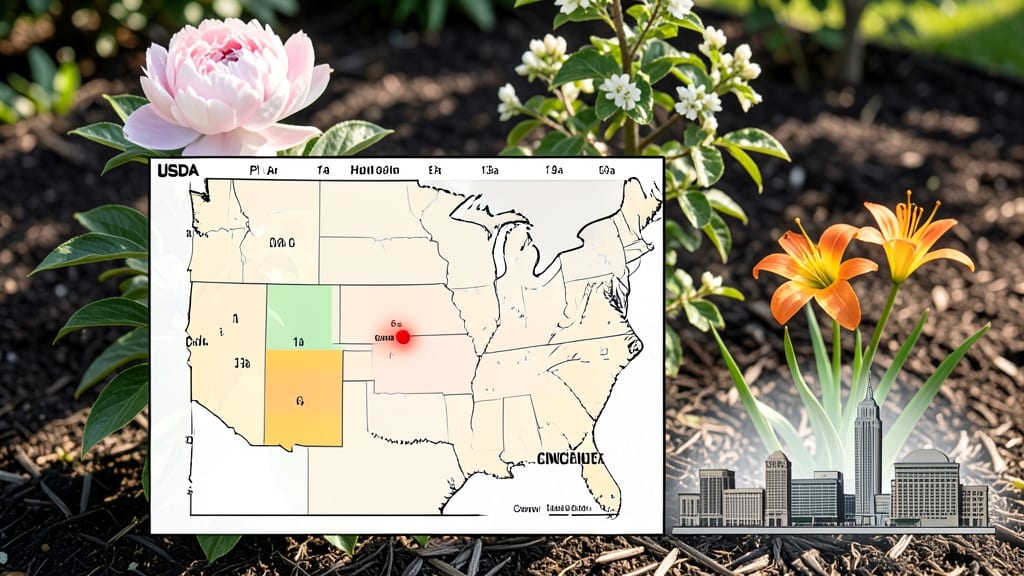
Cincinnati, Ohio, falls in USDA Hardiness Zones 6a-6b, meaning your garden’s success depends on timing frost dates, picking the right plants, and knowing when to start seeds.
If you’ve ever planted tomatoes too early only to watch them wilt in a late frost—or missed the fall window and ended up with half-eaten pumpkins—you know how quickly things can go wrong.
This zone gives you a 165-day growing season, but frost can still sneak in around April 15 or arrive early in October. The key is matching your plants to these dates and using microclimates (like urban heat islands) to your advantage.
Below, I’ll break down exactly what this zone means for your planting calendar, which crops thrive here, and how to adjust for Cincinnati’s unpredictable weather—so you can grow with confidence.
Cincinnati’s USDA zone 6a-6b: what it means for your garden’s success
Cincinnati’s designation as USDA Hardiness Zones 6a-6b is the foundation of your gardening strategy, shaping which plants thrive and when you can plant them. With average winter lows between -10°F to 0°F, your garden experiences distinct seasonal shifts that demand careful timing for planting and harvesting.
Understanding these zones helps you avoid common mistakes like planting tender crops too early or struggling with frost-sensitive varieties.
This zone classification means you can grow a diverse range of perennials like peonies and hostas, while also enjoying extended growing seasons for vegetables. The key is aligning your planting schedule with Cincinnati’s average last frost date (April 15) and first frost date (October 15).
These dates create a 165-day growing window—perfect for both cool-season crops and heat-loving plants with proper planning.
| Climate Factor | Zone 6a Details | Zone 6b Details |
|---|---|---|
| Average Winter Low | -10°F to -5°F | 0°F to -5°F |
| Last Spring Frost | April 15 (varies) | April 10 (earlier) |
| First Fall Frost | October 15 (varies) | October 20 (later) |
| Growing Season Length | 160-165 days | 165-170 days |
| Heat Tolerance | Up to 90°F | Up to 95°F |
| Microclimate Note | Urban areas 2-3°F warmer | Rural areas cooler |
Cincinnati’s urban heat island effect creates microclimates where downtown areas can be 2-3°F warmer than rural suburbs. This means your exact planting dates may vary slightly depending on location.
For precise guidance, use the USDA Plant Hardiness Zone Map or local resources like the Ohio State University Extension, which provides hyper-local frost date data.
Your spring planting window opens after the last frost (typically mid-April), while fall planting should begin 6-8 weeks before the first frost (around September 1).
Cool-season crops like kale, spinach, and broccoli thrive in these windows, while warm-season plants such as tomatoes and peppers need to wait until soil temperatures reach 60°F+—usually late April to early May.
Zone 6a-6b also supports perennial plants that return yearly, like daylilies, coneflowers, and black-eyed Susans. These hardy varieties withstand Cincinnati’s winters and reward you with longer bloom times and lower maintenance.
For annuals, focus on heat-tolerant varieties like zinnias or marigolds, which handle summer’s occasional 90°F+ temperatures better than delicate petunias.
To verify your exact zone, check the USDA Interactive Plant Hardiness Map or use a local weather station for real-time data. Urban gardeners should also consider wind exposure—north-facing gardens may experience frost later than south-facing ones. Adjust your planting schedule accordingly, especially for tender annuals like basil or okra.
Cincinnati’s zone also influences mulching strategies. A 3-4 inch layer of organic mulch (straw or shredded leaves) helps regulate soil temperature, protecting roots from late spring frosts and early fall chills.
This simple technique extends your growing season by 1-2 weeks at both ends, giving you more time to harvest.
For container gardening, choose cold-hardy varieties like pansies or snapdragons, which tolerate cooler temperatures. Containers warm up faster than in-ground soil, so monitor them closely during temperature swings. If a frost warning appears, move sensitive pots to a protected location or cover them with frost blankets.
Finally, Cincinnati’s zone allows for extended-season gardening using row covers or cold frames. These tools let you plant cool-season crops like lettuce as early as March or warm-season crops like tomatoes until late October. With the right setup, you can push your garden’s limits and enjoy year-round harvests.
Best plants for Cincinnati’s zone 6a-6b: a seasonal planting calendar
Cincinnati’s USDA Zone 6a-6b climate offers a perfect balance for gardeners—cool winters and warm summers—but timing is everything. The last frost date (April 15) and first frost (October 15) bookend your growing seasons, so planning ahead ensures your garden thrives.
Whether you’re growing vegetables, flowers, or perennials, selecting the right plants for each season maximizes your harvest and minimizes stress.
Spring is ideal for cool-season crops like lettuce and peas, while summer loves heat-tolerant varieties such as tomatoes and zinnias. Fall planting lets you extend the season with kale, spinach, and pansies, which handle cooler temperatures.
Let’s break down the best plants for each season, so you can plan with confidence and avoid common mistakes.
🌱 Top Plants by Season for Cincinnati’s Zone 6a-6b
- 🌿 Spring (March-May): Lettuce, Spinach, Peas, Radishes, Pansies, Daffodils
- ☀️ Summer (June-August): Tomatoes, Peppers, Basil, Zinnias, Marigolds, Sunflowers
- 🍂 Fall (September-November): Kale, Carrots, Broccoli, Chrysanthemums, Asters, Pansies
- ❄️ Winter (December-February): Snowdrops, Winter Aconite, Hardy Cyclamen, Evergreen Shrubs
💡 Pro Tip: Use row covers in early spring or late fall to extend growing windows for heat-loving or cold-sensitive plants.
For spring planting (March-May), focus on cool-loving vegetables like lettuce and spinach, which thrive in Cincinnati’s 50-70°F soil temperatures.
Start seeds indoors in late February for head starts, then transplant after the last frost. Flowers like pansies and daffodils also shine in spring, adding color while tolerating cooler temperatures. Don’t overlook perennials like hostas and daylilies, which establish roots early and reward you with years of growth.
Summer in Cincinnati can be hot and humid, so prioritize heat-tolerant plants like tomatoes, peppers, and zinnias. These varieties thrive in full sun (6+ hours daily) and well-draining soil. Succulents and lavender also handle the heat beautifully, requiring minimal water once established.
Mulch heavily to retain moisture and prevent soil erosion during summer downpours.
Fall is my favorite season for gardening in Zone 6a-6b because it’s forgiving and productive. Plant kale, carrots, and broccoli in early September for a late-season harvest before the first frost. Perennials like asters and chrysanthemums add autumn color while preparing for winter dormancy.
Use black plastic mulch to warm soil and extend the growing season for heat-loving crops like Swiss chard.
Even in winter, Cincinnati’s garden isn’t dormant. Cold-hardy plants like snowdrops, winter aconite, and evergreen shrubs provide structure and interest.
These plants survive sub-freezing temperatures and often bloom early, signaling spring’s arrival. Plan your winter garden by selecting evergreens like boxwoods or hollies for year-round greenery, and add bulbs like tulips in fall for next year’s spring display.
To make the most of your Zone 6a-6b garden, align your planting schedule with Cincinnati’s frost dates and seasonal shifts. Start with cool-season crops in spring, transition to heat-lovers in summer, and extend the season with fall plantings.
With the right choices, your garden will be productive, beautiful, and resilient all year round. Happy planting! 🌿