
Planting
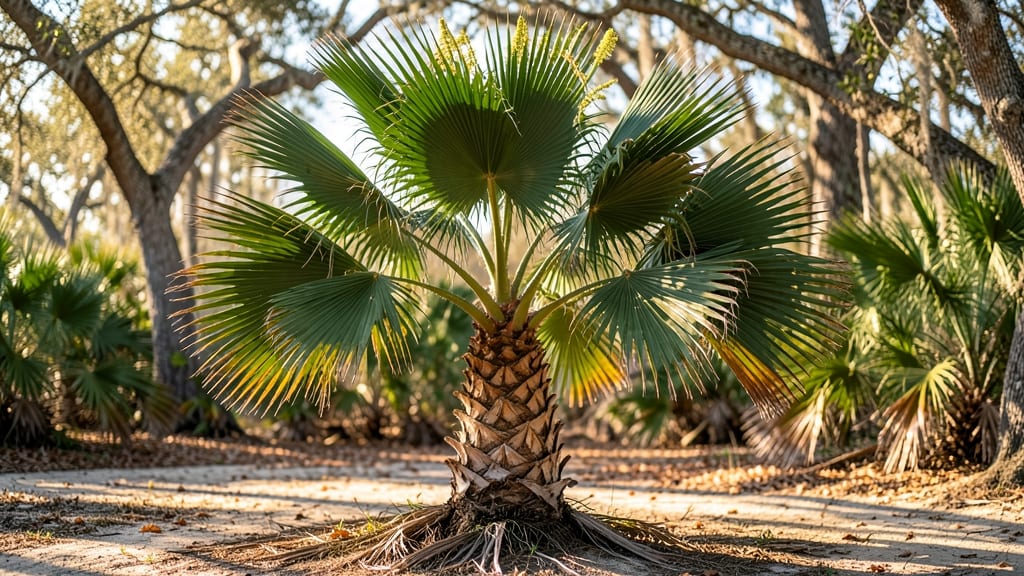
What gardening zone is Central Florida in? It's classified as USDA Hardiness Zones 9b to 10a, creating a warm climate perfect for tropical plants like citrus trees, palm varieties, and bougainvillea that thrive in its mild winters and hot summers.
This classification means Central Florida rarely sees temperatures below 25°F, protecting frost-sensitive plants while still offering enough seasonal variation to support diverse landscaping. 🌿 The zone boundaries reflect how far north the subtropical climate extends—unlike northern Florida's cooler Zone 8b, where citrus might struggle.
I've found that even during occasional cold snaps, most Zone 9b-10a plants bounce back quickly, making them ideal for low-maintenance gardens.
What sets this region apart is its ability to grow both native Florida species and imported tropical varieties. For example, while coontie palms thrive naturally here, you can also successfully cultivate Mexican feather grass or firebush with minimal extra care.
The key is matching plants to your specific microclimate—some Orlando yards may experience slightly cooler microclimates than coastal areas.
💡 In This Article
- Understanding Central Florida’s USDA Zones 9b-10a
- Best Plants for Central Florida’s Warm Climate
Understanding Central Florida’s USDA zones 9b-10a
The USDA defines Zone 9b as areas where average annual minimum temperatures range between 25°F and 30°F (-3.9°C to -1.1°C), while Zone 10a spans 30°F to 35°F (-1.1°C to 1.7°C).
Central Florida's climate falls primarily in these zones because its proximity to the Gulf Stream moderates temperatures, preventing hard freezes that devastate crops in colder regions.
For example, while northern Florida (Zone 8b) might see damaging freezes below 15°F (-9.4°C), Central Florida rarely drops below 25°F, protecting sensitive plants like royal palms or citrus trees.
This temperature range creates a unique growing season. Summers here average 90°F+ (32°C+) with high humidity, while winters hover around 55-65°F (13-18°C). The lack of extreme cold means frost-sensitive tropicals thrive, but the occasional 28-30°F (-2 to -1°C) dips can still stress plants like avocados or mangoes.
What's fascinating is how this climate supports both native Florida species and imported tropical varieties—something you won't find in cooler northern zones.
What most gardeners don't realize is how microclimates within Central Florida create subtle variations. Coastal areas near Cocoa Beach lean toward Zone 10a, while inland regions like Orlando may experience slightly cooler Zone 9b conditions.
Even a 5°F (2.8°C) difference can determine whether a coontie palm thrives in your yard or struggles. This is why plant selection should consider your specific location—what grows effortlessly near the coast might need winter protection just 20 miles inland.
The USDA zone system also accounts for 10-year average lows, which explains why Central Florida's boundaries shift slightly over time. For instance, Lake County sits firmly in Zone 9b, while Brevard County often blends Zone 9b and 10a characteristics.
This blending creates opportunities for gardeners to experiment with borderline plants like olive trees or pomegranates, which can succeed with proper winter care.
Here's what this means for your garden: Zone 9b-10a plants generally require minimal winter protection compared to northern varieties. While you might mulch rosemary in Zone 8, Central Florida's climate allows it to grow as a perennial with only occasional covering during cold snaps.
The trade-off? You'll need to manage summer heat stress in plants like bougainvillea, which may require afternoon shade during peak 95°F (35°C+) periods.
The science behind this involves how Florida's geography interacts with atmospheric patterns. The Gulf Stream acts like a thermal blanket, while the Florida peninsula's shape funnels warmer air from the south. This creates the perfect conditions for subtropical gardening—where plants from both hemispheres can thrive.
For example, Mexican feather grass (native to Zone 10) grows alongside saw palmetto (a native Florida species) in the same landscape.