
Tools
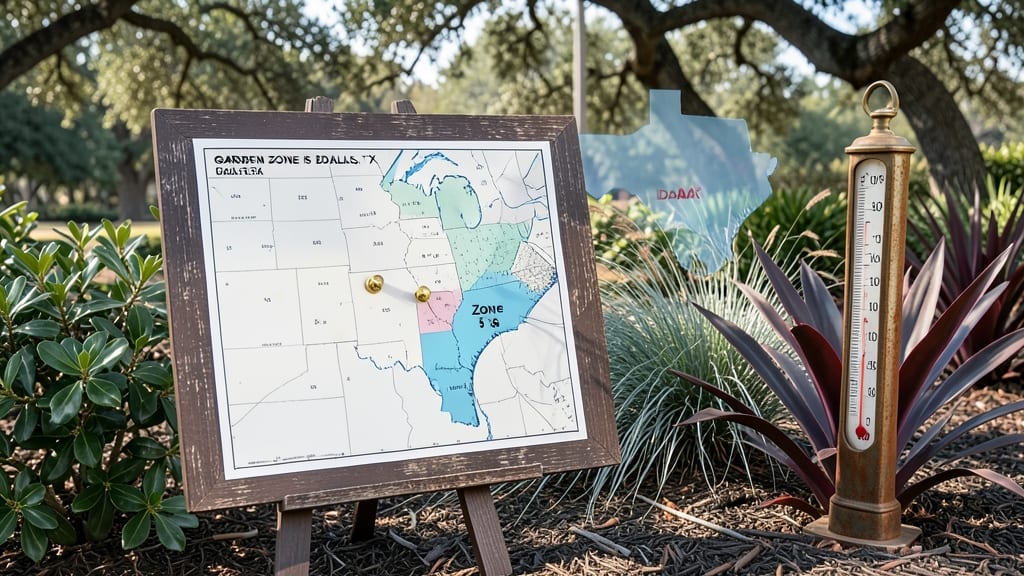
What garden zone is Dallas, TX? The city falls primarily in USDA Hardiness Zones 8a and 8b, with average minimum winter temperatures ranging from 10°F to 15°F (-9°C to -9.4°C). Microclimates in the city can push some areas into Zone 7b or 9a, depending on elevation and urban heat islands.
Understanding Dallas's gardening zone helps you choose plants that thrive in its climate. The USDA zones reflect average winter lows, but Dallas's urban sprawl creates warmer microclimates near buildings and roads, where temperatures can climb 5-10°F warmer than official records.
This means some plants rated for Zone 9 might survive in downtown areas, while rural spots closer to Zone 7b need extra winter protection. 🌿 I always check local nurseries—they often adjust recommendations based on real-world growing conditions.
For example, while Zone 8a plants like camellias and gardenias handle Dallas winters, Zone 9a varieties such as bougainvillea or citrus may thrive in heat-retaining pockets. The key is observing your specific yard's exposure—south-facing walls or paved areas create microclimates that can extend growing seasons by weeks.
This is why I recommend testing your own microclimate by tracking temperatures over a few winters.
💡 In This Article
- USDA Zone 8a vs 8b: Dallas TX Temperature Breakdown
- Dallas Microclimates: Urban Heat Islands and Plant Adaptation Tips
USDA Zone 8a vs 8b: Dallas TX temperature breakdown
The distinction between USDA Zone 8a and 8b hinges on a 5°F difference in average annual minimum temperatures. Zone 8a covers areas where the coldest winter temperatures typically stay above 10°F (-12°C), while Zone 8b extends to 15°F (-9°C).
Dallas sits right at this threshold, with most of the city averaging around 12°F (-11°C) for its coldest nights. This subtle shift matters because plants rated for Zone 8a can handle brief dips to 10°F, while Zone 8b varieties tolerate 15°F without damage.
Historical data from the National Weather Service shows Dallas experiences 2-3 cold snaps per year that dip below 10°F, often lasting just 1-3 nights. These extreme events test the zone boundaries—plants at the edge of their hardiness range may suffer damage.
For instance, a 1989 cold snap dropped temperatures to 5°F (-15°C), causing widespread damage to Zone 8b plants like camellias and gardenias. This is why nurseries recommend selecting plants rated for Zone 7b if you want extra protection during unpredictable winters. 🌡️
Understanding these thresholds helps with plant selection. Zone 8a plants like Mexican petunias (Ruellia brittoniana) or abutilon thrive in Dallas, while Zone 8b varieties such as bougainvillea or olive trees may need winter protection.
The key is matching plants to your specific microclimate—south-facing yards or urban heat pockets can push conditions closer to Zone 9a, while shaded or elevated areas might align with Zone 7b.
Cold snaps are the real wild card in Dallas gardening. Even in Zone 8b, temperatures can plummet 10°F below the average minimum during Arctic outbreaks. This is why I recommend monitoring local forecasts and preparing for Zone 7b conditions during extreme winters.
For example, wrapping young trees or using frost cloths can extend the range of plants you can grow successfully. The USDA zone map provides a baseline, but real-world growing conditions often require adjustments. 🌿
For practical application, consider these temperature-based guidelines:
- Zone 8a plants: Tolerate 10°F (-12°C) but may struggle below 5°F (-15°C)
- Zone 8b plants: Handle 15°F (-9°C) but risk damage at 10°F (-12°C)
- Extreme cold events: Can push conditions to Zone 7b for brief periods
Dallas's urban environment also plays a role in these temperature variations. The city's concrete and asphalt absorb and retain heat, creating pockets that can be 5-10°F warmer than rural areas.
This urban heat island effect means downtown Dallas might experience conditions closer to Zone 9a, while outer suburbs could align more with Zone 7b. Always observe your specific yard's microclimate to make the best plant choices. 🌆