
Tools
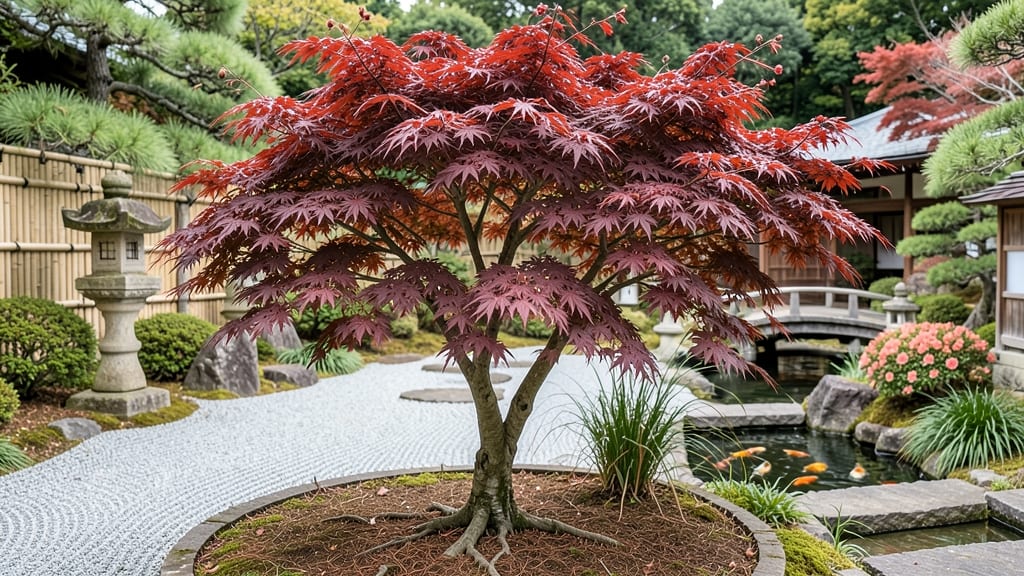
The Pasadena Japanese Garden is a masterpiece of traditional Japanese landscape design, featuring serene koi ponds, meticulously pruned trees, and Zen-inspired pathways that embody centuries-old cultural aesthetics. Established in 1917, it remains one of America’s most historic public gardens, offering a peaceful retreat rooted in harmony with nature.
The Pasadena Japanese Garden stands as a living testament to Japanese design philosophy, where every element—from the carefully placed stones to the cascading water features—serves a purpose beyond mere decoration. 🌿 This 11-acre garden incorporates wabi-sabi (beauty in imperfection) and karesansui (dry gardens) principles, creating spaces that invite contemplation and mindfulness.
Unlike many Western gardens, it emphasizes seasonal changes, with cherry blossoms in spring and vibrant autumn foliage providing ever-shifting beauty. The garden’s historic significance extends beyond aesthetics, as it was designed by Japanese landscape architects using traditional techniques that have been preserved for over a century.
Beyond its visual appeal, the garden serves as an educational resource, offering guided tours that explain the cultural and botanical significance of each area.
Visitors can explore the Tea House Garden, a private space designed for traditional tea ceremonies, or stroll along the Moon Bridge, which symbolizes unity in Japanese culture.
The garden’s meticulous maintenance—including pruning techniques that maintain the natural shape of trees—ensures its historic integrity while keeping it accessible to modern visitors.
💡 In This Article
- Traditional Japanese Garden Design Principles in Pasadena
- Visiting the Pasadena Japanese Garden: Tips for Gardeners and Tourists
Traditional Japanese garden design principles in Pasadena
The Pasadena Japanese Garden embodies wabi-sabi, a core aesthetic principle that celebrates imperfection, impermanence, and simplicity. This philosophy is visible in the garden's weathered stones, moss-covered paths, and asymmetrical plantings—each element designed to evoke a sense of natural beauty over time.
The 11-acre space uses irregularly shaped rocks (like the Moon Bridge stones) to represent mountains, while the carefully placed boulders create a sense of depth and scale that mimics nature's own randomness. 🌿 Unlike Western gardens that often emphasize symmetry, Pasadena's garden embraces what Japanese call "aware" (pathos), where the beauty lies in the fleeting moments of change.
Water plays a central role through karesansui (dry gardens) and actual ponds. The garden's ponds feature koi that symbolize good fortune, while the Moon Bridge reflects onto the water—a technique called "shakkei" (borrowed scenery) that extends the garden's visual space.
The Tea House Garden demonstrates another principle: the use of raked gravel (representing water) and strategically placed stones to create the illusion of flowing streams. This dry garden technique allows the space to be maintained without water features while still conveying the essence of water's movement.
The garden's seasonal plant selection demonstrates shakkei in action, where each season transforms the landscape. In spring, 200 cherry trees bloom in waves, their delicate pink flowers creating a canopy effect. Autumn brings fiery maple foliage that contrasts with evergreens, while winter reveals the skeletal beauty of pruned trees.
This intentional layering creates a dynamic experience where visitors perceive the garden differently throughout the year—a hallmark of Japanese design that connects nature's cycles to human emotions. 🍁
Pathways serve multiple purposes: they guide visitors through the garden while also creating a meditative experience. The Zen-inspired stone paths are designed to be walked barefoot (when permitted), allowing visitors to feel the texture of the stones—a tactile connection to the space.
The curves in the paths encourage slower movement, giving visitors time to appreciate each detail. This deliberate pacing is essential to Japanese garden design, where the journey itself becomes part of the experience rather than just the destination.
One often-overlooked element is the sound design of the garden. The gentle sound of water from the ponds and the rustling of leaves create a natural soundtrack that enhances tranquility. Even the raked gravel in dry gardens produces a satisfying crunch underfoot, a deliberate choice to engage multiple senses.
This multisensory approach is fundamental to Japanese garden philosophy, where sight, sound, touch, and even smell (from carefully selected plants) work together to create a holistic experience. 🌊
What makes Pasadena's garden particularly unique is how it preserves these traditional techniques while adapting them to Southern California's climate. The garden uses drought-tolerant plants like Japanese maples and pine trees that thrive in the region's Mediterranean conditions, demonstrating how Japanese design principles can be locally interpreted.
This adaptation ensures the garden remains both authentic and sustainable—a perfect example of cultural exchange in landscape architecture. 🌳