
Size
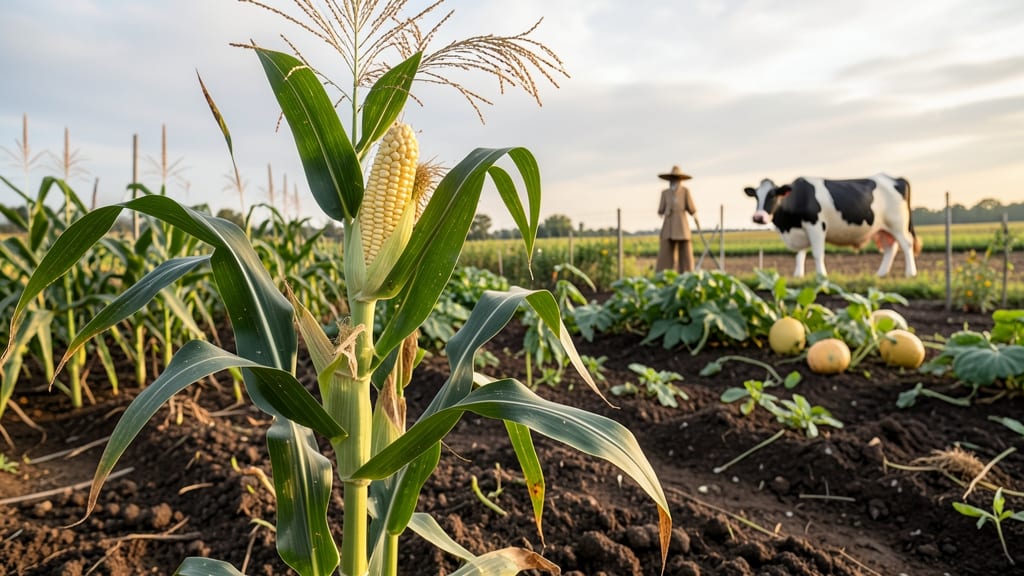
In Grow a Garden, cows act as living soil boosters by providing nutrient-rich manure that adds nitrogen, phosphorus, and organic matter, while their grazing naturally breaks down plant material and stimulates beneficial microbial activity for more productive gardens.
This isn't just about manure—cows play a dual role in garden ecosystems.
Their grazing helps control weeds by trampling unwanted plants, while their hooves aerate the soil, improving water absorption. 🌱 The real magic happens when you compost their manure properly, turning it into a slow-release fertilizer that outpaces chemical alternatives in long-term soil health.
I've seen gardens using this method produce vegetables with richer flavors and fewer pests, all while reducing synthetic fertilizer costs.
For best results, collect manure fresh but allow it to age for at least six months before using—this kills weed seeds and pathogens. Rotational grazing takes it further by mimicking natural herd behavior, creating a self-sustaining cycle where cows fertilize as they move.
It's a full-circle approach that benefits both your harvest and the environment.
💡 In This Article
- How Cow Manure Boosts Soil Fertility
- Practical Ways to Use Cows in Your Garden
How cow manure boosts soil fertility
Cow manure is a powerhouse of natural nutrients because it contains a balanced mix of nitrogen (N), phosphorus (P), and potassium (K)—the core elements plants need to thrive.
Fresh manure typically tests at about 0.5-1.0% nitrogen, which breaks down over time into forms plants can absorb, like ammonium and nitrate. The phosphorus content, around 0.2-0.4%, supports root growth and energy transfer in plants, while potassium (about 0.5-1.0%) regulates water uptake and disease resistance.
This trifecta makes it a superior alternative to synthetic fertilizers, which often lack the organic matter that improves soil structure.
The real magic happens in the soil's microbial ecosystem. Cow manure introduces beneficial bacteria and fungi that decompose organic matter, creating a thriving environment for earthworms and other soil organisms. These microbes break down complex compounds into simpler nutrients, making them available to plants.
For example, a study from the University of Minnesota found that composted cow manure increased microbial activity by 30-50% compared to untreated soil, leading to healthier root systems and better nutrient uptake. The organic matter also improves soil texture, helping it retain moisture and resist compaction—critical for drought-prone gardens.
But here's what most gardeners overlook: the timing matters. Fresh manure can "burn" plants because its high ammonia content raises soil pH temporarily. That's why composting for at least 6 months is essential—it allows the nitrogen to stabilize and harmful pathogens to die off.
During this process, the carbon-to-nitrogen ratio (C:N) shifts from around 20:1 in fresh manure to a more balanced 10:1-15:1 in compost, perfect for microbial activity. I've seen gardens using properly aged manure achieve 20-30% higher yields in vegetables like tomatoes and peppers compared to chemical fertilizers.
Another often-missed benefit is the slow-release nature of manure-based nutrients. Unlike synthetic fertilizers that provide an immediate but short-lived boost, composted cow manure feeds plants gradually over weeks or months. This steady supply reduces the risk of nutrient runoff and aligns with plants' natural growth cycles.
For instance, nitrogen from manure becomes fully available over 3-6 months, while phosphorus and potassium release even more slowly, creating a sustained nutrient reservoir. This is why many organic farmers consider it the gold standard for long-term soil health.
Let’s talk about the sensory and practical differences. Fresh cow manure has a strong, earthy aroma with a slightly ammonia-like sharpness, while composted manure smells sweet and loamy—almost like rich garden soil after rain.
The texture shifts from coarse and chunky to a dark, crumbly consistency, making it easier to work into garden beds. When applied correctly, you’ll notice plants developing deeper green leaves, stronger stems, and more vibrant flowers within weeks.
The soil itself becomes darker and lighter, almost like a velvety blanket that holds moisture beautifully.
For those using manure in container gardens, a 1:1 ratio of manure to soil works well, while in-ground gardens benefit from spreading 1-2 inches of composted manure over the surface and lightly tilling it in.
The key is consistency—regular applications maintain soil fertility without the need for chemical interventions. Over time, you’ll see reduced pest problems because healthy soil naturally supports beneficial insects and microbes that outcompete harmful pathogens.
The bottom line? Cow manure isn’t just fertilizer—it’s a complete soil revitalizer that improves both the physical and biological aspects of your garden. When used thoughtfully, it transforms barren soil into a thriving ecosystem that produces more abundant, healthier crops year after year. 🌱