
Tools
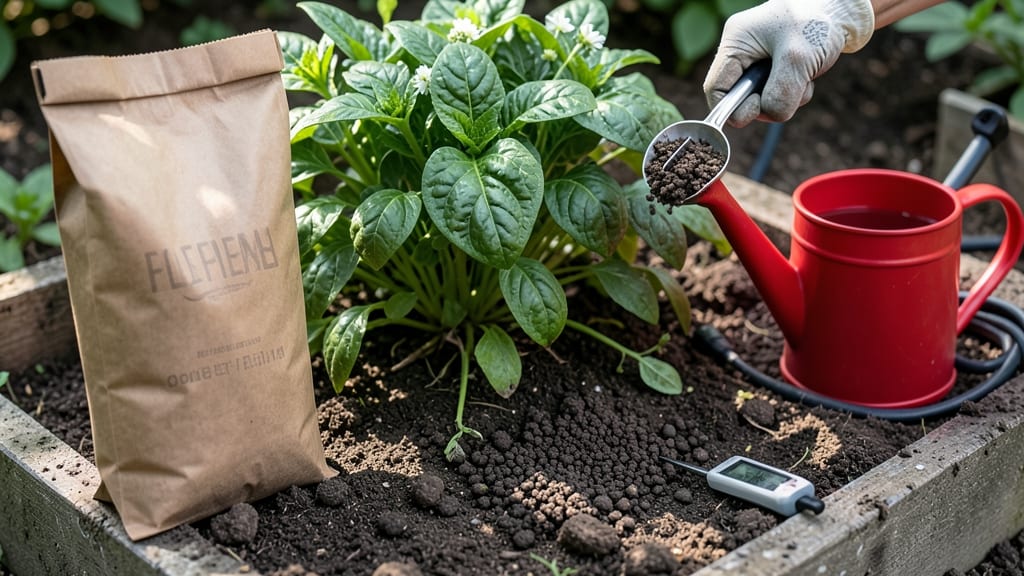
Nitrogen for garden is essential for fueling rapid leaf and stem growth, promoting lush green foliage, and supporting protein synthesis in plants. Organic sources like compost or synthetic fertilizers like urea can supply it effectively, but overuse risks burning roots and environmental harm.
Nitrogen acts as the building block for chlorophyll—the pigment that gives plants their vibrant green color—and is critical for creating amino acids, the foundation of proteins. 🌱 Without enough nitrogen, your plants may develop pale leaves or slow growth, while too much can lead to excessive leafy growth at the expense of flowers or fruit.
I've found that balancing nitrogen levels is key, especially for heavy feeders like tomatoes or corn, which demand more than ornamental plants. The best approach depends on your soil type and the specific needs of what you're growing.
For most gardeners, the easiest way to add nitrogen is through organic matter like well-aged compost or manure, which releases nutrients slowly over time. Synthetic options like urea or ammonium sulfate provide a quick boost but require careful measurement to avoid overdoing it.
Testing your soil before applying any fertilizer helps you determine exactly how much nitrogen your plants need—and when they need it most.
💡 In This Article
- How Nitrogen Supports Plant Growth Mechanisms
- Best Nitrogen Fertilizers and Application Timing
How nitrogen supports plant growth mechanisms
Nitrogen plays a starring role in plant biology by forming the core structure of chlorophyll—the green pigment that captures sunlight for photosynthesis. Each chlorophyll molecule contains a nitrogen-rich ring structure that absorbs light energy, which is why nitrogen-deficient plants develop yellowing leaves (a condition called chlorosis).
This deficiency disrupts the plant's ability to convert sunlight into chemical energy, stunting growth and reducing yields. For example, tomatoes deprived of nitrogen may produce fewer fruits while growing excessive leafy vines—a classic sign of imbalance.
The magic happens at the cellular level where nitrogen combines with carbon, hydrogen, and oxygen to form amino acids, the building blocks of proteins. These proteins serve as enzymes that regulate every metabolic process in the plant, from root development to flower formation.
Fast-release nitrogen sources like urea or ammonium nitrate provide an immediate boost by dissolving quickly in soil water, while slow-release options like composted manure or coated urea granules feed plants steadily over weeks or months.
The difference is like comparing a caffeine shot to a slow-release energy bar—both work, but timing matters for long-term health.
When nitrogen levels are too high, plants prioritize leaf growth over reproductive structures, leading to lush foliage but fewer flowers or fruits.
This excess also creates environmental risks: runoff from over-fertilized lawns can trigger harmful algae blooms in nearby waterways, while salt buildup from synthetic fertilizers can damage soil structure over time.
The key is understanding your plants' specific needs—leafy greens like spinach thrive with more nitrogen than fruiting plants like peppers, which need balanced nutrition to develop both leaves and harvestable parts.
Soil microbes play a crucial role in nitrogen availability. Beneficial bacteria like Rhizobium (found in legume root nodules) convert atmospheric nitrogen into plant-available forms through a process called nitrogen fixation. This natural process explains why plants like beans and clover improve soil fertility when grown as cover crops.
The microbial activity creates a symbiotic relationship where plants receive nitrogen while the microbes get carbohydrates from the plant's roots—a perfect example of nature's recycling system in action.
Visual signs of nitrogen deficiency appear first on older leaves as they yellow between the veins while maintaining green veins—a pattern called interveinal chlorosis. In severe cases, leaves may curl or drop prematurely, leaving the plant vulnerable to pests and diseases.
For nitrogen excess, look for dark green, leathery leaves with weak stems that may flop over under their own weight. The solution lies in regular soil testing (every 2-3 years) to measure nitrogen levels precisely and adjust your fertilization strategy accordingly.
Consider this analogy: nitrogen is like a car's fuel system—too little and the engine sputters, too much and you flood the system. The goal is finding that sweet spot where your plants have enough energy to grow strong roots, sturdy stems, and abundant foliage without wasting resources on unnecessary growth.
This balance is what transforms a struggling garden into a thriving ecosystem where every plant reaches its full potential.