
Planting
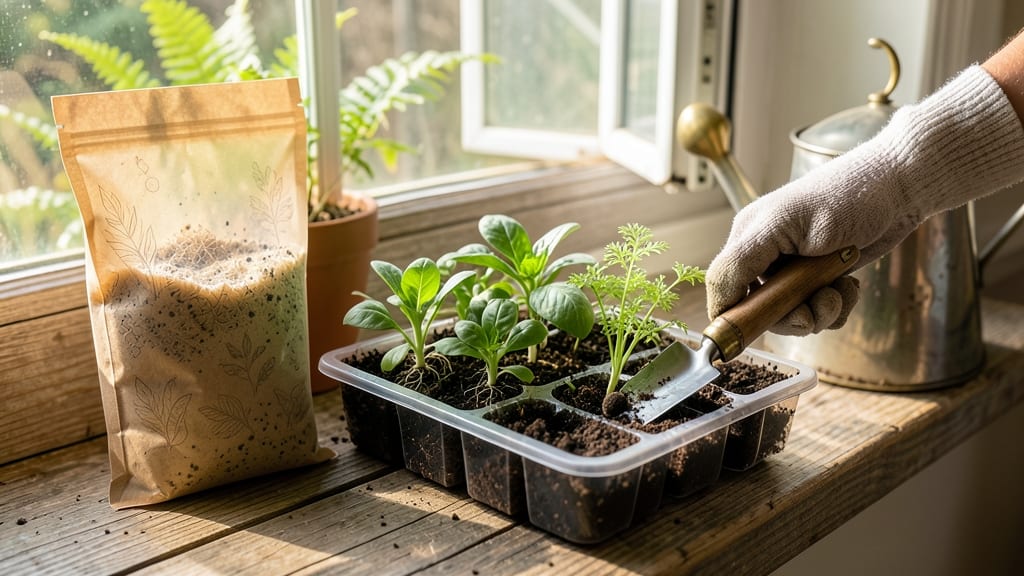
When gardening, sowing means planting seeds directly into soil to grow new plants using hand, machine, or broadcast methods. This process starts the cultivation cycle from seed rather than using pre-grown seedlings.
Sowing is the foundation of growing plants from seed, giving you full control over the entire growth cycle. Unlike transplanting, which requires buying seedlings, sowing lets you choose from thousands of varieties and start with fresh, disease-free seeds.
The method you choose depends on your plants—vegetables like beans and peas thrive when sown directly, while delicate herbs or tomatoes often need indoor starts before moving outdoors. Timing matters too: cool-season crops like lettuce can handle early spring sowing, while heat-lovers like peppers need warmer soil temperatures.
This approach also saves money and space—no need for trays or greenhouses unless you're starting seeds indoors. Just prepare your soil well, follow the recommended depth (usually 2-3 times the seed's width), and keep it consistently moist until germination.
The key is patience and attention to detail, as proper sowing sets the stage for healthy, vigorous plants all season long. 🌱
💡 In This Article
- Seed Sowing Techniques for Gardeners
- Sowing vs Transplanting: Pros and Cons for Gardeners
Seed sowing techniques for gardeners
Sowing seeds is all about precision in placement and environmental conditions. The two main methods—direct sowing (planting seeds straight into garden beds) and indirect sowing (starting seeds indoors before transplanting)—each serve different purposes.
Direct sowing works best for hardy crops like beans, peas, and radishes, which germinate quickly and tolerate soil temperatures as low as 45°F. These plants also benefit from being in their permanent location early, reducing root disturbance.
In contrast, indirect sowing is ideal for heat-loving crops like tomatoes or peppers, which need a 6-8 week head start indoors to avoid frost damage.
The depth at which you sow seeds directly impacts germination rates.
A general rule is to plant seeds at a depth equal to 2-3 times their width—for example, tiny carrot seeds (1/8 inch wide) should go 1/4 inch deep, while larger bean seeds (1/2 inch wide) need 3/4 inch of soil coverage.
Too shallow, and seeds dry out; too deep, and they struggle to push through the soil. Spacing matters too: crowded seedlings compete for nutrients, while over-spaced plants waste garden real estate. For instance, lettuce seeds should be sown 1/4 inch apart, then thinned to 6-8 inches between plants.
Soil preparation is the unsung hero of successful sowing. Loose, well-draining soil with a pH between 6.0-7.0 allows roots to establish quickly. Before sowing, mix in compost to boost organic matter and retain moisture—dry soil is the #1 enemy of new seeds.
Watering is another critical factor: seeds need consistent moisture to germinate, but avoid soggy soil, which can cause rot. A light misting with a spray bottle keeps seeds hydrated without displacing them, while a soaker hose ensures even moisture distribution in larger beds.
Timing your sowing aligns with both the plant’s life cycle and your local climate. Cool-season crops like spinach or kale can handle early spring sowing when soil temps are 40-50°F, while warm-season crops like cucumbers need soil to warm to 60°F or above.
A soil thermometer is your best friend here—it tells you exactly when conditions are right. In colder regions, use row covers or cold frames to extend the growing season. Even a few degrees can mean the difference between successful germination and wasted seeds.
Advanced gardeners often use broadcast sowing for cover crops or wildflower mixes, scattering seeds evenly across large areas. For precision, a seed tape (pre-spaced seeds on biodegradable tape) eliminates guesswork. Mechanical planters, like the EarthWay Seed Potato Planter, automate the process for larger plots, ensuring uniform depth and spacing.
The right tool depends on your scale: hand-sowing works for small gardens, while machinery is a game-changer for acreage.
What most gardeners don’t realize is how light affects germination. Some seeds, like lettuce, need light to sprout and should be sown shallowly or on the soil surface.
Others, like beans, require darkness and should be buried deeper. Always check seed packets for specific instructions—this small detail can double your success rate. 🌱