
Tools
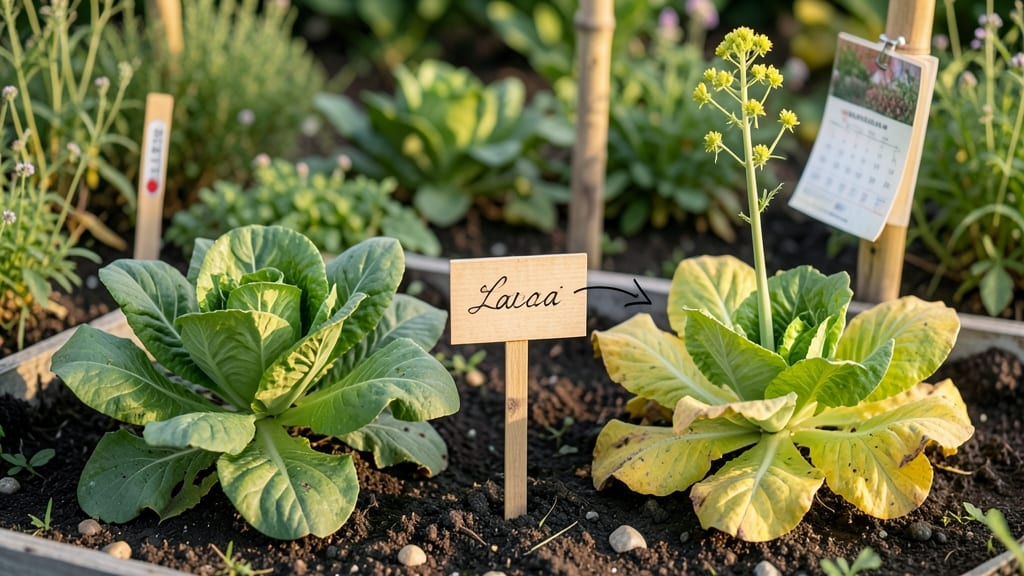
What does bolted mean in gardening? It describes when plants rapidly grow a tall flowering stalk while abandoning leafy growth, often ruining harvests with bitter, inedible foliage. This stress response occurs due to heat waves, inconsistent watering, or poor soil conditions, drastically shortening the useful harvest window for greens like spinach and arugula.
Bolted plants essentially "give up" on their main purpose—whether that's leaf production or fruit-bearing—because their survival instinct kicks in. 🌱 This happens when plants detect environmental cues like long daylight hours or sudden temperature spikes, triggering a hormonal shift that prioritizes reproduction over growth.
For example, lettuce might bolt when daytime temperatures exceed 80°F, while herbs like cilantro often bolt in response to heat stress, turning their leaves bitter and woody.
Understanding this process helps gardeners take preventive action. For instance, using shade cloth during peak summer months can delay bolting in heat-sensitive crops, while maintaining consistent soil moisture prevents the stress signals that trigger early flowering. The key is creating stable growing conditions that mimic the plant's natural preferences.
💡 In This Article
- Why Do Plants Bolt in Gardening Conditions?
- Preventing Bolting in Leafy Greens and Herbs
Why do plants bolt in gardening conditions?
When plants bolt, they're responding to a hormonal cascade triggered by environmental stress. The primary culprit is ethylene gas, a plant hormone that accelerates flowering when conditions become unfavorable.
Heat stress—especially when daytime temperatures exceed 80°F—activates this response, causing plants like lettuce to redirect energy from leaf production to seed development. This shift happens within 7-14 days of prolonged heat exposure, depending on the species.
The process begins with vernalization, where cool temperatures signal plants it's time to flower, but excessive heat does the opposite—it forces premature flowering. For example, kale exposed to 90°F+ temperatures may bolt within 10 days, while arugula often bolts when nighttime temps rise above 65°F.
Even slight fluctuations in watering can trigger this response, as inconsistent moisture stresses roots and sends distress signals to the plant's growth centers.
Day length also plays a critical role. Many vegetables are long-day plants, meaning they bolt when daylight exceeds 14-16 hours. This explains why spring and fall crops often bolt in summer—longer daylight hours combined with heat create a "perfect storm" for premature flowering.
The plant's survival instinct takes over, prioritizing reproduction over leafy growth, which is why your once-tender spinach suddenly sprouts a 3-foot stalk with bitter leaves.
What most gardeners don't realize is that soil temperature matters just as much as air temperature. When soil exceeds 75°F, root growth slows, and the plant perceives this as a survival threat.
This triggers the same hormonal response as drought stress, accelerating bolting. Even well-watered plants can bolt if their roots are too warm, demonstrating how interconnected these factors are.
Consider the case of Swiss chard: this hardy green typically bolts when stressed by dry, hot conditions or poor soil fertility. The plant's leaves become tough and fibrous as it redirects energy to produce a flowering stalk, often within 2-3 weeks.
This rapid transformation is nature's way of ensuring seed production before conditions become lethal, but for gardeners, it means lost harvests and wasted effort.
Understanding these triggers helps explain why some plants bolt unpredictably. For instance, cilantro bolts in response to heat stress but may also react to crowded growing conditions, where competition for resources sends additional stress signals. The key takeaway: bolting isn't random—it's a precise biological response to specific environmental cues.