
Pests
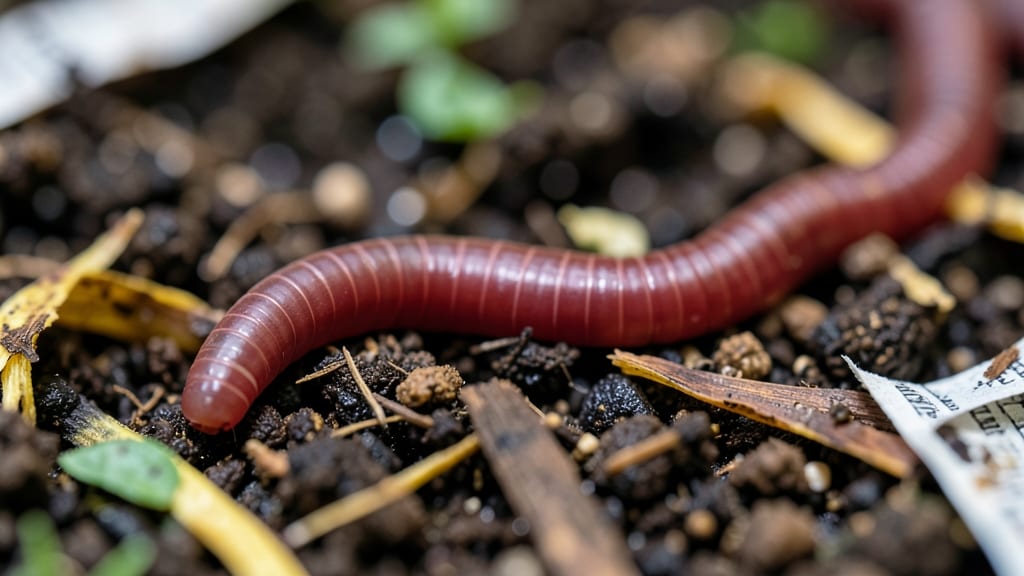
Garden worms eat decomposed organic matter like fruit and vegetable scraps, coffee grounds, tea bags, and shredded leaves, along with soil microbes and decaying plant material. They thrive on nitrogen-rich kitchen waste and aerate soil as they digest it.
Garden worms, also known as red wigglers or compost worms, are nature's recyclers, breaking down organic waste through their digestive systems. 🔥 They consume kitchen scraps like banana peels, apple cores, and even crushed eggshells, which provide essential nutrients while improving soil structure.
These worms can process up to half their body weight in food daily, making them incredibly efficient at converting waste into nutrient-rich castings. Their diet should primarily consist of carbon-rich materials like shredded newspaper or cardboard to balance the nitrogen from food scraps, creating the perfect environment for decomposition.
One key benefit of their feeding habits is the creation of worm castings, which are packed with plant nutrients like nitrogen, phosphorus, and potassium. These castings also improve soil aeration and water retention, making them a gardener's secret weapon.
However, it's important to avoid feeding them citrus fruits, meat, or dairy products, as these can harm their digestive systems and create unpleasant odors in your compost bin.
💡 In This Article
- How Worms Break Down Organic Waste in Soil
- Best and Worst Foods for Your Compost Worms
How worms break down organic waste in soil
Worms process organic waste through a specialized digestive system that can handle up to 50% of their body weight daily. Their gizzard—a muscular organ lined with tiny teeth—grinds food into a fine paste, mixing it with beneficial microbes from their gut.
This grinding action breaks down cellulose (the tough fiber in plants) that most organisms can't digest, turning it into nutrient-rich castings. The process involves both mechanical breakdown and chemical digestion, where enzymes and gut bacteria further decompose the material.
The magic happens when worms balance their diet between nitrogen-rich foods (like fruit and vegetable scraps) and carbon-rich materials (such as shredded paper or dry leaves). This ratio—typically 1:2 or 1:3 carbon to nitrogen—creates an ideal environment for microbial activity in their gut.
Without this balance, the compost can become too acidic or anaerobic, harming the worms. Their castings, which exit through their anus as small, dark pellets, contain up to 5 times more nutrients than the original waste, including plant hormones that stimulate growth.
Worms also play a crucial role in aerating soil as they tunnel through it, creating channels that improve water drainage and root penetration. Their burrowing activity can increase soil porosity by up to 50% in just a few months, making nutrients more accessible to plants.
This natural tilling reduces the need for chemical fertilizers and pesticides, creating a sustainable cycle. The worms' digestive process releases beneficial microbes back into the soil, further enhancing its fertility and structure.
Here's what's actually happening at a microscopic level: As worms consume organic matter, their gut microbes break down complex compounds into simpler forms like amino acids and sugars. These are then absorbed and converted into proteins, fats, and other nutrients that become part of their castings.
The worms' digestive efficiency is so high that they can process 1 pound of waste per square foot per year in a well-maintained compost system, making them one of nature's most effective recyclers.
Consider this comparison: A single worm can produce about half its body weight in castings daily, while a healthy population of 1,000 worms per square foot can transform a typical kitchen's waste into compost in just 2-3 months.
This rapid decomposition is why worm composting is so popular among gardeners—it's a closed-loop system that turns waste into a valuable resource without any chemical inputs. 🌱
One fascinating detail is how worms select their food. They use their sensory organs to detect microbial activity in organic matter, preferring materials that are already partially decomposed. This selective feeding ensures they're consuming the most nutritious and easily digestible portions first.
The worms' ability to sort through waste makes them incredibly efficient at creating high-quality compost without the need for additional processing.