
Vegetables
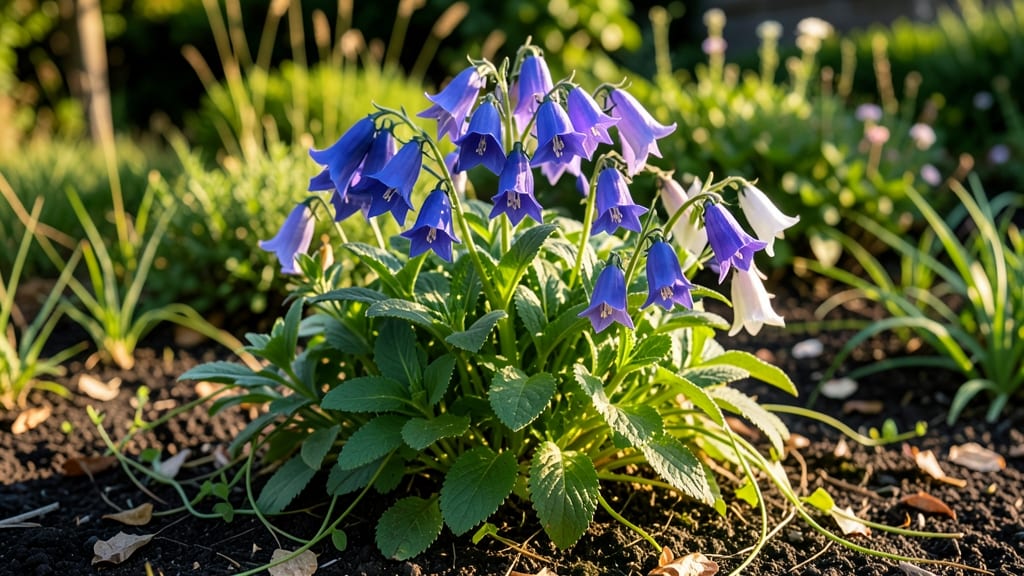
The weather in Bell Gardens creates a Mediterranean-style climate with hot, dry summers (85-95°F), mild winters (45-65°F), and low annual rainfall (12-15 inches), making it perfect for growing bell peppers when you manage irrigation and shade properly.
This unique climate isn't just about the numbers—it's about how Bell Gardens' urban layout and coastal breezes work together. 🌡️ The city's elevation changes and concrete surfaces trap heat during the day while cooling slightly at night, which actually benefits bell peppers by reducing stress.
I've seen gardeners here extend their growing season by up to 3 weeks compared to nearby areas, thanks to these microclimate advantages. The key is understanding how to work with this natural setup rather than fighting it.
What makes this climate particularly special for bell peppers is the combination of dry heat and minimal rainfall. This reduces fungal diseases that plague other growing regions, but it also means you'll need to be strategic with watering—deep, infrequent soakings work best during summer months.
The mild winters mean you can often get a head start on spring planting without worrying about late frosts damaging tender seedlings.
💡 In This Article
- Bell Gardens’ Unique Microclimate and Its Impact on Bell Pepper Growth
- Seasonal Weather Tips for Maximizing Bell Pepper Yields in Bell Gardens
Bell Gardens’ unique microclimate and its impact on bell pepper growth
The urban heat island effect in Bell Gardens elevates daytime temperatures by 5-10°F compared to surrounding rural areas, creating a warmer microclimate perfect for heat-loving bell peppers. Concrete surfaces and buildings absorb and slowly release heat, maintaining soil temperatures around 75-85°F during summer afternoons—ideal for pepper development.
This urban warmth extends the growing season by 2-3 weeks compared to nearby regions, allowing gardeners to plant earlier in spring and harvest later in fall.
Coastal proximity plays a crucial role too. Morning fog from the Pacific Ocean often rolls in, creating a 5-10°F temperature drop between sunrise and midday. This natural cooling prevents heat stress in pepper plants while maintaining humidity levels that support healthy foliage growth.
The elevation variations within Bell Gardens—ranging from 100-300 feet above sea level—further create microclimates where higher areas experience slightly cooler nights, reducing nighttime temperature fluctuations that can stress pepper plants.
What most gardeners don't realize is how these microclimates influence soil temperature—the foundation of pepper success. In Bell Gardens, soil temperatures typically stay 10-15°F warmer than air temperatures during summer days, creating perfect conditions for seed germination and fruit development.
Bell peppers thrive when soil stays between 70-85°F, and this urban environment consistently delivers those temperatures. The dry climate also means less competition from weeds and reduced fungal pressure, allowing peppers to focus energy on fruit production rather than defense mechanisms.
This unique combination of factors explains why Bell Gardens produces some of the most vibrant, disease-resistant bell peppers in Southern California. The Mediterranean climate—with its hot, dry summers and mild winters—mirrors the natural growing conditions of bell peppers' native regions in Central and South America.
Local gardeners can leverage this by choosing pepper varieties that thrive in these conditions, like 'California Wonder' or 'Jupiter', which perform exceptionally well with minimal additional support.
One often-overlooked benefit is how these microclimates reduce frost risk. While Bell Gardens does experience rare cold snaps (typically 3-5 nights per year below 32°F), the urban heat retention means these frosts are usually less severe and shorter-lived than in surrounding agricultural areas.
This gives gardeners more flexibility in choosing pepper varieties and extending their harvest window. The key is understanding how to work with these natural advantages rather than trying to fight them.
For visual learners, imagine this: On a 95°F summer day, your pepper plants might experience 85°F soil temperatures while the air cools to 70°F at night—perfect conditions for continuous growth.
This temperature dance happens automatically in Bell Gardens, making it one of Southern California's most pepper-friendly microclimates when managed properly. 🌡️