
Vegetables
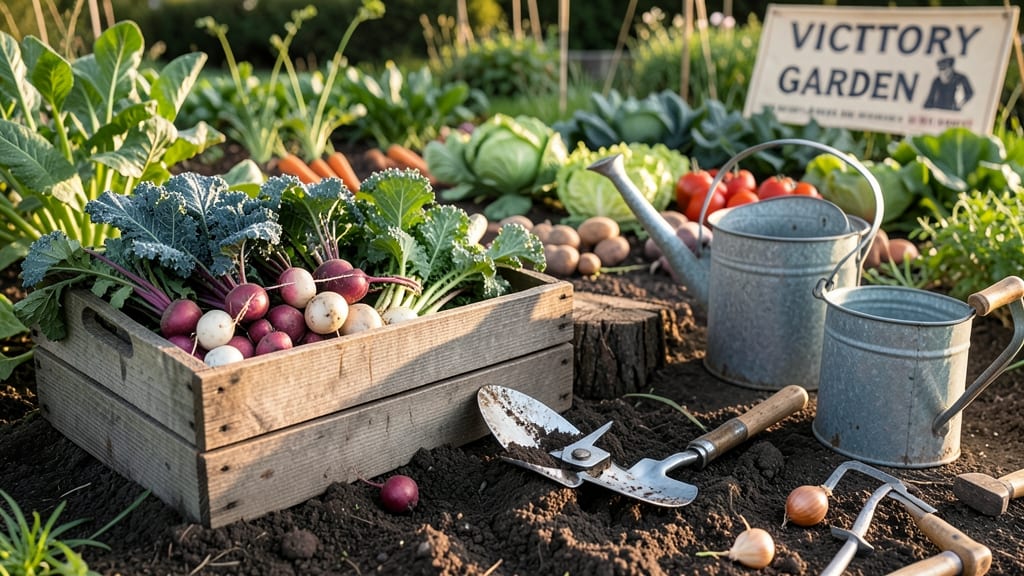
Victory gardens during World War 1 became essential food sources for nations by growing vegetables, herbs, and fruits at home to reduce reliance on imported supplies and combat wartime shortages. Governments actively promoted them through campaigns, seeds, and educational resources, transforming gardening into a patriotic duty and sparking a lasting cultural shift.
During World War 1, these gardens weren't just about growing food—they were a strategic move to free up shipping resources for military needs. 🌱 The U.S. alone saw over 5 million gardens planted, producing about 40% of the nation's fresh vegetables by 1918.
What's fascinating is how these gardens evolved from simple plots into organized community efforts, complete with government-sponsored seed drives and instructional pamphlets. Many families grew everything from potatoes to tomatoes, while cities like Detroit turned vacant lots into massive collective gardens to feed entire neighborhoods.
This movement didn't just end with the war—it planted seeds for modern gardening culture.
The skills learned during WW1 helped sustain families through the Great Depression and later inspired today's urban farming initiatives. 💛 What began as wartime necessity became a foundation for food security movements we still see today, proving that sometimes the most practical solutions grow right in our own backyards.
💡 In This Article
- How WW1 Victory Gardens Boosted National Food Security
- Legacy of WW1 Victory Gardens in Modern Home Gardening
How WW1 victory gardens boosted national food security
Victory gardens during World War I weren't just about growing food—they were a calculated strategy to alleviate pressure on national food supplies.
With shipping routes disrupted by naval blockades, countries like Britain and the U.S. faced severe shortages of fresh produce. 🌱 The British government alone distributed over 1.3 million packets of vegetable seeds to citizens in 1917, encouraging families to cultivate even small patches of land.
This effort wasn't just symbolic; it had measurable results. In the U.S., victory gardens produced 40% of the nation's fresh vegetables by 1918, equivalent to feeding 12 million people annually—a staggering contribution during wartime.
The real genius behind victory gardens lay in their dual purpose: they conserved shipping resources while preventing famine. Before the war, countries relied heavily on imported foods, but blockades made these shipments unreliable.
By shifting production to home gardens, nations reduced their dependence on vulnerable supply chains. 💛 For example, the U.S. Department of Agriculture reported that victory gardens saved $3 billion in food imports (over $50 billion today), which could then be redirected to military efforts.
The gardens also provided psychological relief, giving families a sense of control over their food security during uncertain times.
Governments didn't just hand out seeds—they created entire educational campaigns to ensure success. The U.S. War Garden Committee published 30 million pamphlets with planting guides, while Britain's "Dig for Victory" slogan became a national rallying cry.
These resources included detailed instructions on soil preparation, crop rotation, and pest control, ensuring even novice gardeners could achieve bountiful harvests. 🌿 The focus was on high-yield, easy-to-grow crops like potatoes, carrots, and cabbage, which could be stored for months and required minimal space.
This practical approach made victory gardens accessible to urban families with limited outdoor areas.
One of the most striking examples of victory gardens' impact was in cities like London, where rooftops and vacant lots were transformed into productive green spaces.
The British government even encouraged schools and factories to establish communal gardens, fostering a sense of shared responsibility. 🌍 In Germany, where food shortages were particularly severe, victory gardens became a matter of survival, with families growing everything from turnips to beans in window boxes and balconies.
The war forced a radical rethinking of how food was produced and consumed, proving that even small-scale efforts could have massive collective benefits.
The success of victory gardens during WWI also revealed an unexpected side effect: they reduced food waste. Before the war, much of the produce grown on farms was lost due to spoilage during transport.
By growing food locally, families could harvest and consume it at peak freshness, minimizing waste. 💡 This principle became a cornerstone of modern sustainable agriculture, showing how decentralized food production could address both economic and environmental challenges.
The war's lessons in resilience and resourcefulness continue to influence how we think about food security today.
What makes victory gardens particularly fascinating is how they bridged the gap between individual action and national strategy.
The government's role wasn't just about providing seeds—it was about cultivating a culture of self-sufficiency. 🌱 By framing gardening as a patriotic duty, they transformed a mundane task into a powerful act of civic engagement.
This shift in mindset didn't end with the war; it laid the groundwork for future movements, from the Civilian Conservation Corps in the 1930s to today's community gardens and urban farming initiatives.