
Tools
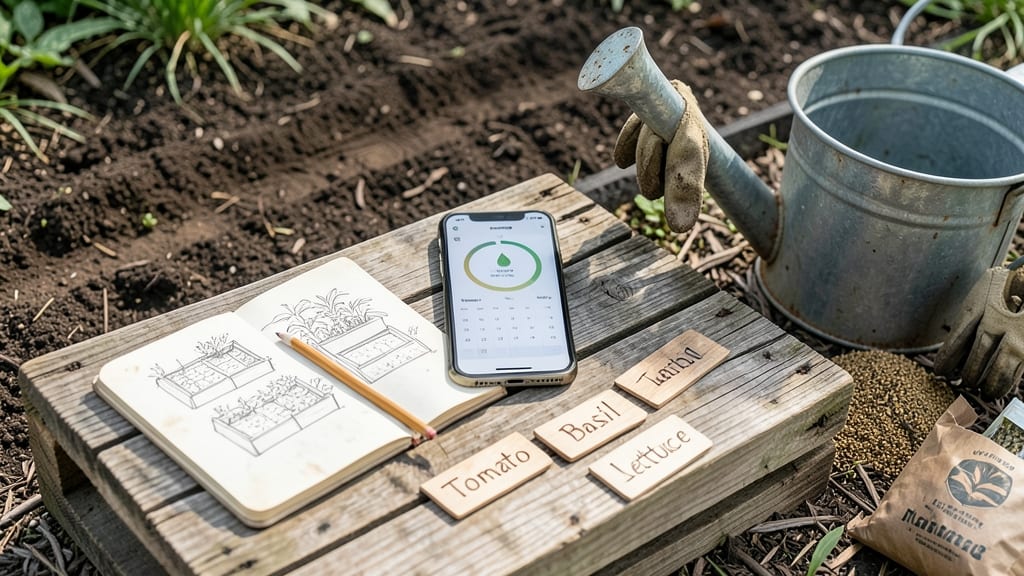
A vegetable garden app can dramatically increase your harvest by managing planting timelines, soil moisture, and growth conditions—plus it provides instant alerts for pests and optimal harvest windows.
The best garden apps act like a digital gardening coach, combining weather data with your local climate to suggest precise planting dates that avoid frost damage. 🌱 They don't just tell you when to plant—they analyze your soil's moisture retention and suggest irrigation schedules tailored to your specific crops, which can cut water waste by up to 30%.
What's even more powerful is their ability to cross-reference your garden layout with companion planting rules, automatically flagging problematic pairings like tomatoes and fennel that compete for nutrients.
Beyond the basics, these tools often include AI-powered pest identification through your phone's camera, helping you spot issues before they spread. For example, if your basil shows signs of aphids, the app will recommend organic sprays and monitor the situation until the problem clears.
The real game-changer? Many apps now integrate with smart garden sensors, turning your phone into a central hub for managing everything from soil pH to sunlight exposure in real time.
💡 In This Article
- How Smart Planting Schedules Improve Garden Productivity
- Must-Have Features in Yield-Boosting Garden Apps
How smart planting schedules improve garden productivity
The core of any vegetable garden app's yield-boosting power lies in its ability to calculate precise planting windows based on your local climate data.
These apps don't just rely on generic "spring planting" advice—they integrate with NOAA weather databases to determine your last frost date (the critical 10°F threshold) and first frost date, then work backward to suggest optimal planting timelines for each crop.
For example, while tomatoes need 70-85 days of warmth, lettuce thrives with cooler 30-60 day growing seasons. The app's algorithms adjust these windows dynamically based on your elevation, microclimate variations, and even recent weather patterns.
Seed spacing becomes another critical factor where apps excel. Most gardeners struggle with overcrowding or wasted space, but these tools use mathematical models to calculate ideal plant distances based on mature size and growth habits.
A carrot seed needs 2-3 inches between plants to develop properly, while sunflowers require 12-24 inches to prevent competition. The app's companion planting database goes further by analyzing which plant combinations enhance growth (like basil near tomatoes) and which inhibit it (such as beans near onions).
This isn't just theoretical—studies show properly spaced plants with compatible neighbors can increase yield by 20-30% by optimizing sunlight exposure and nutrient access.
What makes these scheduling features particularly effective is their integration with growth stage tracking. Most apps use a color-coded system to show each plant's development phase—from seedling to maturity—with estimated days until harvest. This visual timeline helps gardeners anticipate when to thin seedlings, fertilize, or prepare for succession planting.
For instance, when your early spring radishes reach maturity in 25 days, the app will automatically suggest replacing them with heat-tolerant crops like okra that can handle the warmer summer months. The precision of these timelines reduces wasted effort and ensures your garden space is always productive.
The real science behind these improvements comes from plant phenology—the study of how plants develop in response to environmental cues. Apps analyze factors like photoperiod (day length) and soil temperature to predict growth rates with remarkable accuracy.
For example, they'll tell you that broccoli planted in 50°F soil grows 30% faster than in 40°F conditions, and adjust your care instructions accordingly. This level of detail transforms gardening from a guessing game into a data-driven process where every planting decision is optimized for your specific conditions.
One often-overlooked feature is the app's ability to calculate "planting waves" for continuous harvests. Instead of planting all your lettuce seeds at once, the app might suggest planting 1/3 of your seeds every 2 weeks to ensure a steady supply.
This technique, called succession planting, can extend your harvest season by 4-6 weeks and prevent bolting (when plants flower prematurely). The app's harvest calculators then track exactly when each wave will be ready, helping you plan meals and preserve excess produce efficiently.
For serious gardeners, the most advanced apps even incorporate crop rotation planning to prevent soil depletion. They'll analyze which plant families (like nightshades or brassicas) you've grown recently and suggest appropriate rotations to maintain soil health.
This feature alone can improve long-term yields by 15-25% by preventing the buildup of pests and diseases that target specific plant families year after year.