
Tools
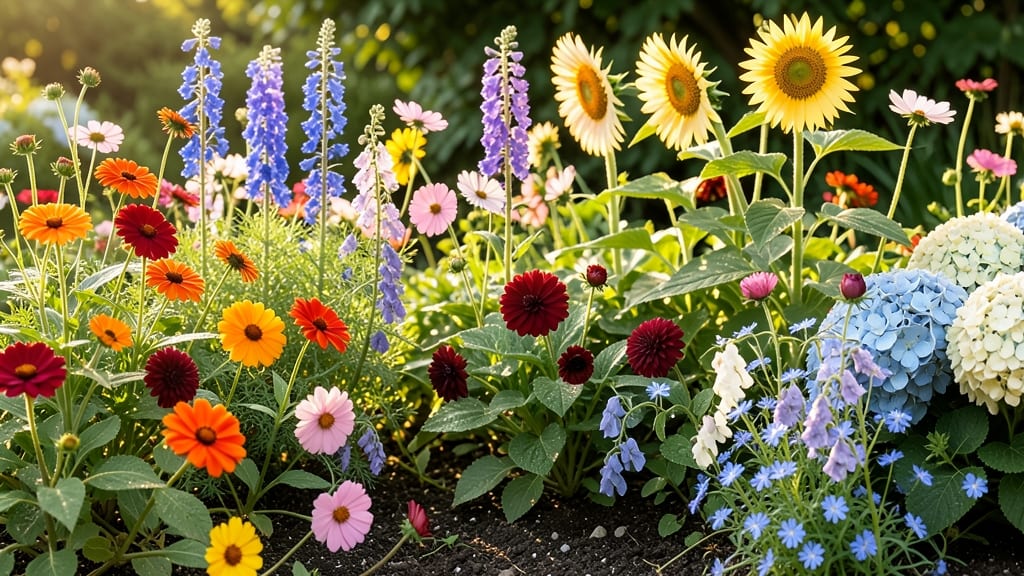
A cutting garden creates vibrant displays and continuous harvests by combining seasonal blooms, fragrant herbs, and edible plants in sunlit beds, featuring fast-growing annuals like zinnias and basil alongside hardy perennials such as lavender and chives.
A cutting garden isn't just about pretty flowers—it's a functional space where beauty and utility merge. 🌿 The key lies in strategic layering: place low-growing herbs like thyme or oregano at the front for easy access, while taller flowers such as sunflowers or hollyhocks serve as natural privacy screens.
This layout not only maximizes visual appeal but also makes harvesting effortless. I've found that mixing edibles with ornamentals creates a dynamic ecosystem where flowers attract pollinators that benefit your vegetable patches, while herbs like rosemary naturally deter pests from nearby crops.
What sets successful cutting gardens apart is their adaptability. Annuals like cosmos and snapdragons provide instant color and can be replaced mid-season to extend blooms, while perennials like echinacea and bee balm return year after year with minimal effort.
The real magic happens when you integrate edible flowers—think nasturtiums for peppery greens or borage for cucumber-flavored leaves—into your bouquets, turning every harvest into both a feast for the eyes and the palate.
💡 In This Article
- Designing a Cutting Garden Layout for Maximum Yield
- Best Plants for a Year-Round Cutting Garden Harvest
Designing a cutting garden layout for maximum yield
The foundation of a productive cutting garden lies in its layout—specifically how you organize plants by height, sun needs, and harvest frequency. Start with the front row, which should contain low-growing edibles like thyme or chives (both thrive in 6+ hours of sunlight daily) for easy access.
These plants also benefit from being near the path, where their aromatic leaves naturally deter pests from creeping into your garden. Behind them, arrange middle-height flowers like snapdragons or cosmos at 12-24 inches tall—these bloom continuously and attract pollinators while providing vertical interest.
Tall backdrops, such as sunflowers or hollyhocks, should anchor the rear of each bed, reaching 4-6 feet at maturity. These not only create a stunning vertical line but also provide shade for shorter plants during peak afternoon sun.
For example, placing lavender (which prefers full sun and well-draining soil) near the back ensures it gets maximum light while its silvery foliage contrasts beautifully with taller blooms.
The key is to group plants with similar water and sunlight requirements together—this reduces maintenance and ensures no plant is struggling for resources.
Companion planting takes this layout to the next level. Pairing basil with tomatoes or nasturtiums with cucumbers isn’t just about aesthetics—it’s a strategic pest-control system. Basil’s strong scent masks tomato plants from pests like whiteflies, while nasturtiums act as a trap crop, luring aphids away from your vegetables.
This method also maximizes space: interplanting fast-growing annuals like zinnias (30-45 days to bloom) with slower perennials like echinacea ensures you always have something in bloom, even during transition periods. 🌸
Sun exposure is non-negotiable—most cutting garden plants require at least 6 hours of direct sunlight daily, with 8+ hours ideal for maximum blooms. If your space has partial shade, opt for shade-tolerant varieties like coleus or fuchsia, which thrive in 3-4 hours of morning sun.
For edibles, prioritize herbs like cilantro or parsley that can handle lighter conditions. The layout should also account for harvest frequency: place frequently cut plants like borage (which regrows quickly) near the front, while once-blooming perennials like peonies can tuck into the back where they won’t get trampled.
Don’t overlook the soil—amend beds with compost and organic matter to improve drainage and fertility. A well-drained mix prevents root rot in moisture-sensitive plants like rosemary, while rich soil encourages lush growth in heavy feeders like sunflowers.
Mulching with straw or wood chips helps retain moisture and suppresses weeds, reducing the time you spend on maintenance. The result? A garden that’s not just beautiful but also low-stress to maintain, with everything within arm’s reach for easy harvesting. ✨
For a truly dynamic space, incorporate seasonal transitions. Replace spring bulbs like daffodils with summer annuals like zinnias as they fade, and add winter-hardy plants like hellebores or winter pansies for year-round interest. This layered approach ensures your cutting garden remains vibrant and productive, no matter the season.
The payoff? A space that’s as functional as it is stunning, where every cut flower or herb snipped for the kitchen feels like a reward for thoughtful design.