
Vegetables
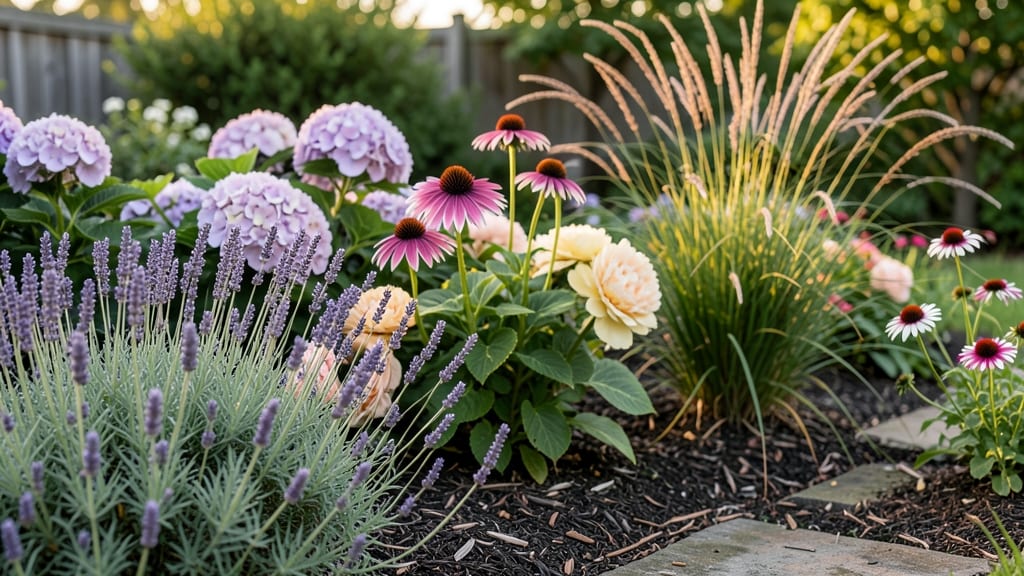
To stroll the gardens effectively, wander along a plant-by-plant route that showcases seasonal blooms, fragrance zones, and lesser-known pathways. Timing your visit to match peak flowering periods and seasonal highlights creates a richer, more immersive experience.
This approach transforms a simple walk into a sensory journey. 🌸 By aligning your route with bloom cycles—like spring's tulips or summer's roses—you'll catch each plant at its most vibrant.
I've found that focusing on fragrance zones (like lavender sections) adds another layer of enjoyment, while hidden paths often reveal the garden's most unique features. The key is to move slowly, letting each plant tell its story through color, scent, and even the sounds of pollinators.
For a truly personalized experience, I recommend preparing ahead by checking bloom calendars or using garden apps that map seasonal highlights. This way, you can plan your stroll to include rare specimens that might only be at their best for a few weeks each year.
The magic happens when you let the garden guide you rather than following a rigid path.
💡 In This Article
- Seasonal Garden Blooms and Optimal Viewing Times
- Hidden Garden Paths and Plant-Focused Exploration Techniques
Seasonal garden blooms and optimal viewing times
Garden beauty unfolds in distinct seasons, each governed by plant life cycles that create predictable—but often overlooked—windows of perfection. Spring brings the first wave of color with bulbs like daffodils (March-April) and tulips (April-May), whose blooms last just 2-3 weeks before fading.
These early flowers rely on cool temperatures and moisture, which is why they peak during morning hours when dew lingers and bees are most active.
Summer shifts focus to perennials like roses (June-August) and coneflowers (July-September), whose deep roots allow them to thrive in heat, but only when paired with consistent watering.
The magic happens when you sync your visit with each plant's circadian rhythm. For instance, night-blooming jasmine releases its intoxicating fragrance between 9 PM and midnight, while morning glories open their trumpet-shaped flowers at dawn.
Fall gardens transform with foliage like Japanese maples, whose leaves shift from green to fiery reds over 6-8 weeks—a process triggered by shorter daylight and cooler nights.
Winter offers evergreens like holly and boxwood, whose waxy leaves retain color because their cells contain protective pigments that resist freezing.
Pollinators play an unexpected role in timing your stroll. Bees are most active between 10 AM and 3 PM when temperatures exceed 55°F, which is why gardens buzz with activity during these hours.
I've noticed that butterfly bushes attract the most pollinators when they're in full bloom (July), creating a living tapestry of color and motion. This biological clock means you'll see more vibrant blooms and lively ecosystems during these peak pollinator windows—proof that gardens aren't just static displays but dynamic ecosystems.
To maximize your experience, I recommend checking a garden's bloom calendar before visiting. Many public gardens post these online, listing which sections hit peak beauty on specific dates.
For example, the Roses of England Garden at Kew Gardens typically reaches its zenith in mid-June, while the Waterlily House peaks in July when the pads spread across the pond.
These calendars often include temperature thresholds—like "best viewed above 60°F"—that help you avoid chilly mornings when some plants appear wilted.
Don't overlook the sensory layers that change with seasons. Spring gardens offer the crisp scent of freesias and hyacinths, while summer brings the sweet, sticky aroma of honey locust flowers. Fall introduces earthy notes from smoke trees, and winter reveals the piney freshness of aromatic cedars.
By planning your route around these fragrance zones, you create a multi-sensory journey where each step reveals new layers of the garden's character. The key is to move slowly, letting each plant's seasonal story unfold in front of you.
For a deeper dive, consider visiting at different times of day. Early morning light enhances the blue hues of delphiniums, while late afternoon sunlight brings out the golden tones of black-eyed Susans.
This play of light and shadow transforms the garden from a static landscape into a living, breathing work of art that changes with every hour. 🌿