
Tools
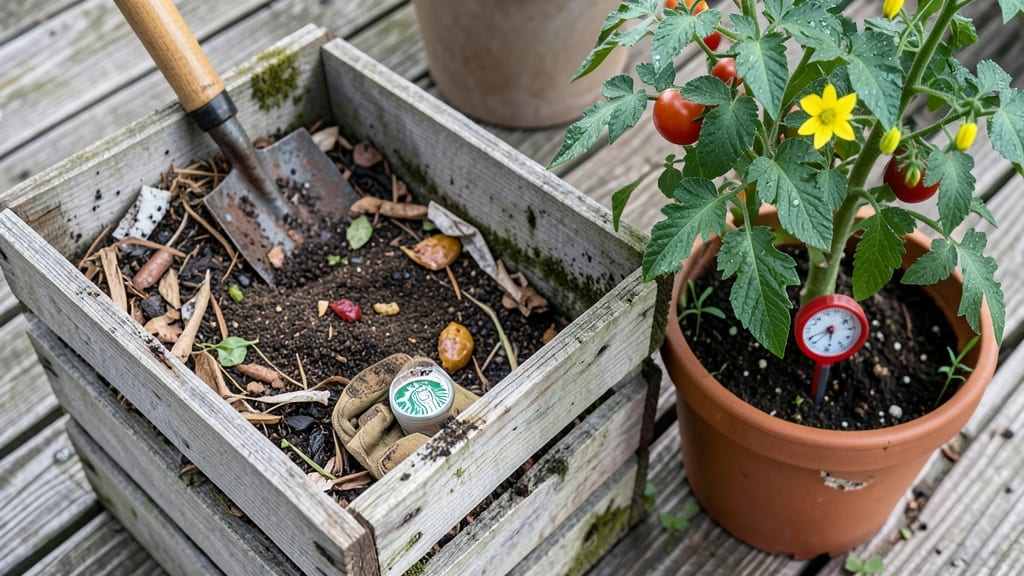
Using Starbucks coffee grounds in your garden enriches soil with nitrogen, deters pests like slugs and ants, and improves moisture retention—just compost them first to avoid mold or acidity issues. Spread lightly on beds or mix into compost piles for best results.
Starbucks coffee grounds are a gardener's secret weapon because they're packed with nutrients and natural pest-repelling properties.
The key is preparation—fresh grounds can create mold or lower soil pH, but composting them first transforms them into a powerhouse fertilizer. 🌱 I've seen firsthand how a thin layer around plants acts like a barrier against ants and slugs, while also encouraging earthworms that aerate the soil.
For best results, mix them into compost piles or sprinkle them lightly around your plants after they've decomposed.
What makes these grounds especially useful is their high nitrogen content, which helps green, leafy plants thrive. Just be mindful of how much you use—too much can make the soil too acidic.
I recommend starting with a small amount and monitoring your plants' response. The beauty of this method is that you're turning what would otherwise be waste into a valuable garden resource.
💡 In This Article
- How Coffee Grounds Boost Garden Soil Health
- Practical Ways to Use Starbucks Coffee Grounds for Pest Control
How coffee grounds boost garden soil health
Starbucks coffee grounds work wonders for your garden because they're packed with 2% nitrogen by weight—about 10 times more than regular soil. When composted, this nitrogen converts into plant-available forms like ammonium and nitrate, fueling leafy growth in vegetables like lettuce and spinach.
The grounds also contain phosphorus and potassium, which support root development and flowering. What's fascinating is how the grounds act as a microbial magnet—decomposing grounds attract beneficial bacteria and fungi that break down organic matter into nutrients your plants can absorb.
The magic happens through a process called humification, where organic material transforms into humus. When you compost coffee grounds, they mix with other organic waste to create a dark, crumbly substance rich in humic acids.
These compounds improve soil structure by binding clay particles together while also increasing water retention—up to 20% more moisture compared to regular soil.
The porous texture of composted grounds creates tiny air pockets that enhance root respiration, helping plants grow stronger. 🌱 For best results, mix 1 part coffee grounds with 2 parts green material (like grass clippings) and 2 parts brown material (like leaves) in your compost pile.
Here's where many gardeners go wrong: using fresh, uncomposted grounds directly in the soil. Fresh grounds have a pH of around 4.5-5.5, which can make soil too acidic for most plants. The caffeine (about 1-2% by weight) also acts as a mild herbicide in high concentrations.
Instead, composting for 2-3 months neutralizes the acidity and breaks down the caffeine. You'll know it's ready when the grounds turn dark brown and crumbly, smelling earthy rather than bitter. This prepped material can then be sprinkled around plants as mulch or worked into the top 2-3 inches of soil.
For container gardens, coffee grounds offer a space-efficient solution. A 1-inch layer of composted grounds in pots can provide enough nitrogen to feed plants for weeks. The grounds also help regulate temperature by insulating roots—keeping them cooler in summer and warmer in winter.
What's surprising is how they improve soil fertility without requiring additional watering. The humus created from composted grounds holds onto moisture like a sponge, reducing evaporation by up to 30% compared to bare soil.
This makes them particularly valuable for drought-prone areas or plants that need consistent moisture like tomatoes and peppers.
One often-overlooked benefit is the effect on soil organisms. Earthworms, for example, are drawn to coffee grounds because they contain cellulose that's easy to digest. A single earthworm can process half its body weight in coffee grounds daily, producing nutrient-rich castings in the process.
These castings contain more nutrients than the original soil, creating a virtuous cycle. For optimal results, apply composted grounds in spring and fall when microbial activity is highest.
In warm climates, you can use them year-round, while colder regions may need to wait until soil temperatures reach 50°F for best decomposition rates.
The key to success lies in balance. While coffee grounds are beneficial, they shouldn't make up more than 20-30% of your compost mix. Too much can create an anaerobic environment that produces unpleasant odors.
For acid-loving plants like blueberries or azaleas, you can use slightly less composted material, but for most vegetables and flowers, the 1:2:2 ratio mentioned earlier works perfectly.
The visual difference is dramatic—soil with composted grounds becomes darker, fluffier, and more fertile, with plants showing lush green leaves within weeks of application. 🌿