
Watering
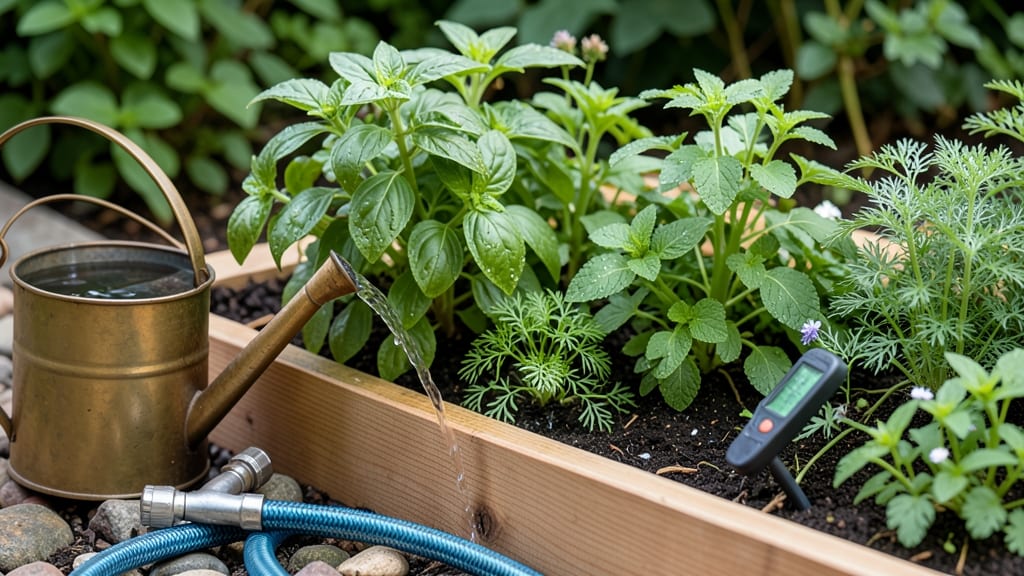
Watering your garden every day is unnecessary and can harm most plants by drowning roots, causing disease, or leaching nutrients—most need water only when the top 1-2 inches of soil feel dry, typically 1-3 times per week depending on plant type, climate, and season.
Daily watering actually stresses plants more than helps them, as excess moisture prevents roots from breathing and encourages fungal growth. 🌱 Instead of relying on a rigid schedule, I recommend checking soil moisture with your finger—if the top inch feels damp, hold off until it dries slightly.
Different plants have unique needs: drought-resistant succulents thrive on weekly watering, while leafy greens like spinach prefer consistent moisture. Climate plays a huge role too—gardeners in arid regions may need to water less frequently than those in humid areas, where evaporation happens faster.
For a more precise approach, consider factors like soil type (sandy drains quickly, clay holds moisture longer) and plant maturity (seedlings need frequent shallow watering, while established perennials can handle deeper, less frequent sessions). 💧 Tools like moisture meters or drip irrigation systems can automate this process while preventing overwatering.
The key is balancing hydration with your garden's specific conditions rather than following a one-size-fits-all routine.
💡 In This Article
- How Often Different Plants Need Watering
- Creating a Custom Watering Schedule for Your Garden
How often different plants need watering
Plant hydration needs vary dramatically based on root depth and natural habitat. Succulents like aloe vera or cacti store water in their leaves and roots, requiring water only every 1-2 weeks—overwatering causes root rot within 24-48 hours due to their shallow, sensitive roots.
In contrast, leafy greens such as spinach or lettuce have shallow roots (6-12 inches deep) and need consistent moisture, drying out if soil stays dry beyond 1 inch for more than 2 days. 💧
The science lies in soil moisture retention: sandy soils drain quickly, requiring water every 2-3 days, while clay holds moisture for 5-7 days between waterings.
Tropical plants like hibiscus mimic their humid environments by needing frequent shallow watering, while desert-adapted plants like lavender thrive with 1 inch of water per week during dry seasons. Evaporation rates also shift—humid climates lose 0.25 inches/day, while arid zones can evaporate 0.75 inches/day.
Seasonal changes drastically alter needs: spring seedlings demand daily watering for 2-3 weeks until roots establish, while mature perennials in summer may need 3-4 times weekly during heatwaves.
The key is matching watering to the plant's native conditions—think of your garden as a microclimate where each species has evolved specific adaptations. 🌿
Drought-tolerant plants like rosemary or yucca have deep taproots that access water 3-5 feet underground, while shallow-rooted herbs like basil need 1 inch of water per week to prevent wilting.
This is why a one-size-fits-all approach fails—your garden's watering schedule should treat each plant as an individual with unique physiological requirements.
Consider this: a tomato plant's roots spread 18-24 inches wide and need 1-2 gallons of water per week, while a marigold's roots stay shallow (6 inches) and require only 0.5 gallons weekly. The difference? Root zone size directly correlates with water absorption capacity. 🌱
Even within plant families, varieties differ—cherry tomatoes need slightly more water than beefsteak varieties due to their faster growth rates. This is why container gardens often require more frequent watering than in-ground plants: potted soil dries out 2-3 times faster due to limited root access and exposure to wind.