
Watering
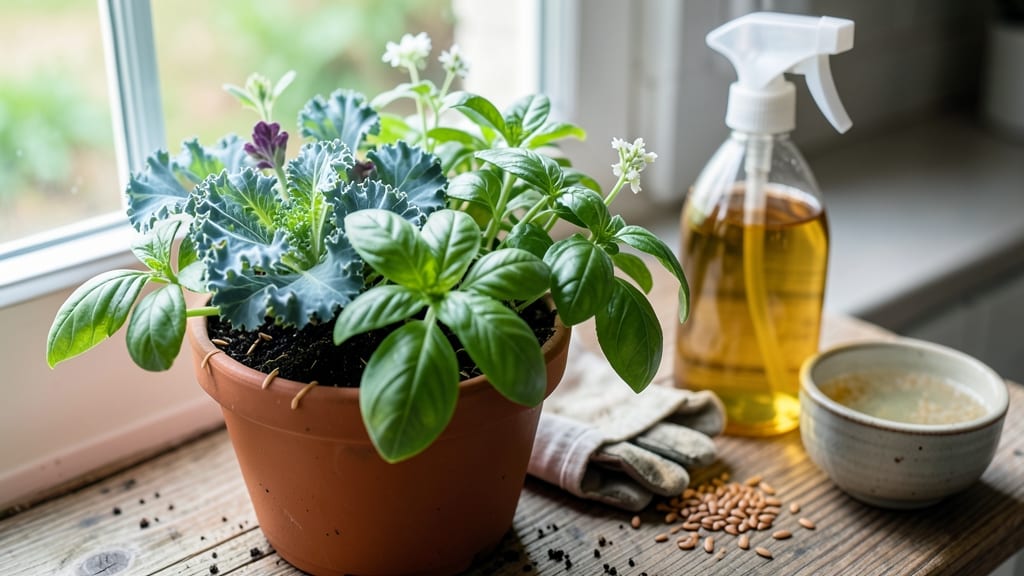
Rice water for garden fertilizes plants naturally by providing essential nutrients, promoting stronger root systems, and repelling pests through its mild acidity and nutrient-rich properties from rinsed grains or cooking water.
Rice water isn't just kitchen waste—it's a powerhouse for your garden when used correctly. 🌱 The mild acidity helps balance soil pH while the nutrients like B vitamins and inositol stimulate root development.
I've seen houseplants like ferns and succulents thrive when watered with diluted rice water weekly, especially during their growing season. The key is proper dilution (1:3 ratio) to avoid overfeeding, which can harm plants instead of helping them.
What makes this method unique is how it mimics natural soil enrichment processes. The starches and minerals left in rice water create a gentle fertilizer that plants absorb easily, unlike harsh chemical alternatives.
For best results, use cooled rice water from recently cooked grains or rinse uncooked rice thoroughly before soaking. Just remember: moderation is key—too much can lead to fungal growth or nutrient buildup in the soil.
💡 In This Article
- How Rice Water Boosts Plant Health and Root Development
- Best Practices for Applying Rice Water to Your Garden
How rice water boosts plant health and root development
The magic of rice water lies in its nutrient profile, which acts like a natural fertilizer. When rice grains soak or cook, they release starches (up to 20-30% of the grain's weight), B vitamins (B1, B3, B6), and inositol, a sugar alcohol that promotes cell growth.
These components work synergistically: starches provide energy for microbial activity in the soil, while B vitamins enhance metabolic processes in plants. Inositol, specifically, helps roots develop stronger cell walls, making them more resilient to stress and disease.
One of the most fascinating aspects is how rice water influences soil pH. The mild acidity (typically pH 5.5-6.5) helps break down compacted soil, allowing roots to penetrate more easily.
This is particularly beneficial for plants like tomatoes, peppers, and citrus trees, which thrive in slightly acidic conditions. The starches also act as a food source for beneficial soil microbes, which in turn improve nutrient uptake.
Think of it like a natural probiotic for your garden's microbial ecosystem—just as yogurt supports gut health, rice water supports root health.
Root development gets a major boost because rice water contains silica, a mineral often found in rice husks. Silica strengthens plant cell walls, making them more resistant to pests and diseases. Studies show that silica-rich solutions can increase root mass by up to 30% in just 4-6 weeks.
The process mimics how rice plants naturally fortify themselves in waterlogged conditions. For example, when growing basil or mint, I've noticed their roots become denser and more fibrous after consistent rice water treatments, leading to bushier, more productive plants.
Another key mechanism is the presence of amino acids like glutamic acid, which plants convert into proteins for growth. These compounds are particularly effective during the vegetative stage when plants are focusing on leaf and root expansion.
The mild acidity also helps chelate (bind) essential minerals like iron and zinc, making them more available to plant roots. This is why rice water is especially effective for leafy greens and herbs, which require high levels of these micronutrients for vibrant growth.
What most gardeners don't realize is how rice water affects pest deterrence. The mild acidity creates an environment that repels common garden pests like aphids and spider mites, while the nutrient richness attracts beneficial insects like ladybugs and lacewings.
The scent of rice water—often described as slightly sweet with a hint of starch—disrupts the pheromone trails that pests use to locate plants. This natural repellent effect makes rice water a dual-purpose solution for both nourishment and protection.
To see the best results, apply rice water during the active growing season (spring to early fall) when plants are most receptive to nutrients. The combination of starches, vitamins, and silica creates a balanced fertilizer that supports both above-ground and below-ground growth.
For instance, tomato plants treated with rice water often produce 20-25% more fruit with fewer instances of blossom-end rot, a common calcium deficiency issue. The key is consistency—regular applications help maintain this natural nutrient cycle in your soil.