
Landscaping
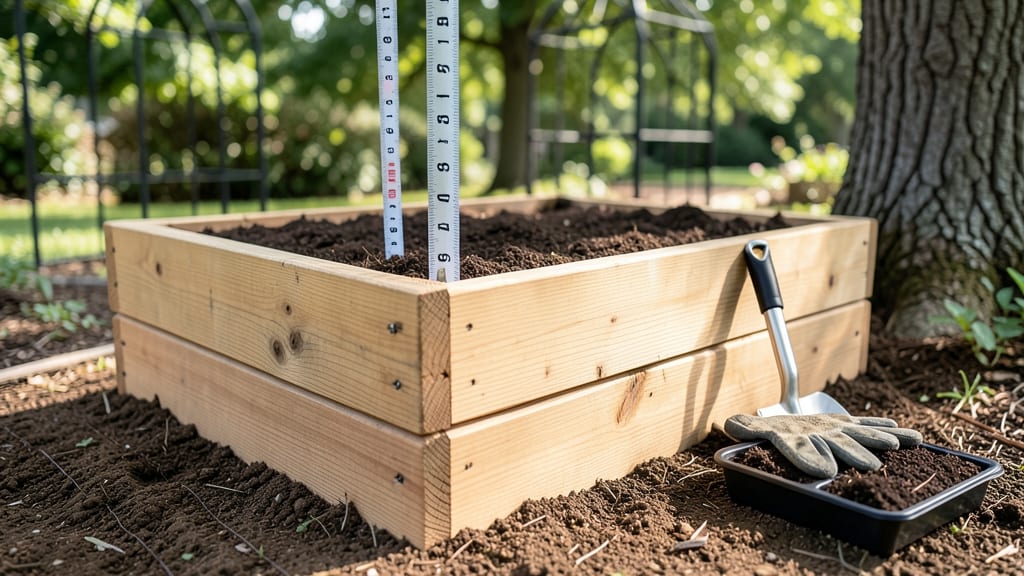
The ideal raised garden bed height makes all the difference between thriving 🌱 plants and wasted effort.
Struggling to decide on the right raised garden bed height? The wrong dimensions can stifle root growth, flood your plants, or waste precious soil—here’s how to get it perfect every time.
For General Raised Garden Bed Crops in zone 6a, height isn’t just about aesthetics—it’s about drainage, accessibility, and giving roots the space they need to flourish. Too shallow, and your carrots won’t grow straight; too tall, and you’ll battle heat stress.
Below, I break down the 4 key factors that determine the perfect height for your bed, from soil depth to material choices, so you can build once and harvest for years.

Optimal raised garden bed height by plant type: root space requirements
Choosing the right raised garden bed height depends entirely on what you're growing. Shallow-rooted herbs like basil and parsley thrive in just 6-12 inches of soil, while deep-rooted perennials such as asparagus or rhubarb need 18-24 inches to spread properly.
Getting this wrong means stunted growth, poor drainage, or wasted soil—so let’s break down the exact dimensions your plants need.
The key factor is root depth. Most vegetables fall into the medium-depth category, requiring 12-18 inches of soil. This includes staples like tomatoes, peppers, and carrots.
For example, a 6-inch-tall bed works perfectly for leafy greens, but the same height would leave carrots struggling to reach maturity. Let’s dive into the specifics so you can tailor your bed height to your garden’s needs.
| Plant Type | Root Depth | Recommended Bed Height | Soil Depth Needed | Examples |
|---|---|---|---|---|
| Shallow-Rooted Herbs | 3-6 inches | 6-12 inches | 6-10 inches | Basil, Cilantro, Parsley, Chives |
| Medium-Depth Vegetables | 12-18 inches | 12-18 inches | 12-16 inches | Tomatoes, Peppers, Carrots, Beets, Lettuce |
| Deep-Rooted Perennials | 18-24+ inches | 18-24 inches | 18-22 inches | Asparagus, Rhubarb, Artichokes, Strawberries |
| Vining Plants | 12-24 inches (spreading roots) | 12-18 inches (soil) + trellis support | 12-16 inches | Cucumbers, Squash, Pole Beans, Melons |
For shallow-rooted herbs, a 6-12 inch bed is ideal because their roots don’t need much space. I’ve seen basil and parsley flourish in just 6 inches of soil, but adding an extra 2-4 inches ensures they have room to spread laterally.
These plants also benefit from frequent harvesting, so deeper beds aren’t necessary unless you’re growing them in dense clusters.
When it comes to medium-depth vegetables, think 12-18 inches of soil depth. This range accommodates the root systems of tomatoes, peppers, and carrots, which need space to anchor and access nutrients.
A 12-inch bed works for leafy greens like lettuce or spinach, but root crops like carrots or beets will struggle unless you go deeper. I’ve found that 16-inch beds strike the perfect balance for most veggies.
Deep-rooted perennials like asparagus or rhubarb demand the most space, requiring 18-24 inches of soil. These plants send roots deep into the earth to store energy for years, so a shallow bed will leave them malnourished. If you’re planting asparagus, for example, aim for a 24-inch bed to give the roots the room they need to establish properly. Over time, this investment pays off with larger yields and longer productivity.
Don’t overlook vining plants, which need a mix of soil depth and horizontal space. While their roots may only go 12-16 inches deep, they spread widely, so a 12-inch bed with a trellis system works best.
I’ve seen cucumbers and pole beans thrive in these conditions, provided they have support to climb. Without proper height and structure, vining plants can become tangled and prone to disease.
One common mistake is assuming a one-size-fits-all height. A 6-inch bed might work for herbs, but it’s a recipe for disaster with deep
How to adjust raised garden bed height for better drainage & soil retention
If your raised garden bed isn’t draining properly or holding soil well, the height might be the culprit. Too low, and roots drown; too high, and you lose precious soil or create heat stress.
The key is finding that sweet spot where drainage meets soil retention without sacrificing usability. Let’s break down how to tweak your bed’s height for optimal performance.
Start by assessing your current setup. A bed that’s 6–12 inches tall is ideal for most vegetables and herbs, offering enough depth for roots while allowing proper drainage.
But if you’re growing deep-rooted plants like asparagus or artichokes, you’ll need 18–24 inches of soil. The challenge? Adjusting height without compromising stability or soil quality.
5 Ways to Adjust Your Raised Bed Height for Better Performance
- Add a false bottom: Use landscape fabric or hardware cloth to create a drainage layer 2–3 inches below the soil line. This prevents clogging while keeping soil in place.
- Layer with gravel: Add a 3-inch gravel layer at the bottom (covered by landscape fabric) to boost drainage in low-lying beds without losing soil depth.
- Use adjustable frames: Opt for modular cedar or composite boards that let you stack or remove layers as needed for seasonal adjustments.
- Mound soil strategically: In shallow beds, create a central mound of compost-rich soil to improve drainage while keeping edges level for accessibility.
- Install a French drain: For beds prone to waterlogging, add a perforated pipe wrapped in gravel at the base to redirect excess water.
For beds that are too tall, focus on retaining soil and reducing heat stress. Use heavy-duty edging like brick or metal to prevent soil spillage, and add mulch or shade cloth to regulate temperature.
If your bed is too shallow, prioritize amending the soil with compost and organic matter to compensate for limited depth.
Don’t forget about accessibility. Beds over 30 inches tall can be difficult to reach, especially for bending or harvesting. If you’re growing tall plants like tomatoes or sunflowers, consider a two-tiered design—lower beds for shallow roots and a taller section for vertical growth.
Pro tip: Test your bed’s drainage by filling it with water and measuring how quickly it drains. If it takes longer than 30–60 minutes to empty, your bed needs adjustments.
Aim for a balance where soil stays moist but never soggy—your plants will thank you with stronger roots and healthier growth.
With these tweaks, you’ll create a raised bed that’s drainage-efficient, soil-retentive, and perfectly tailored to your plants’ needs. Happy gardening!