
Tools
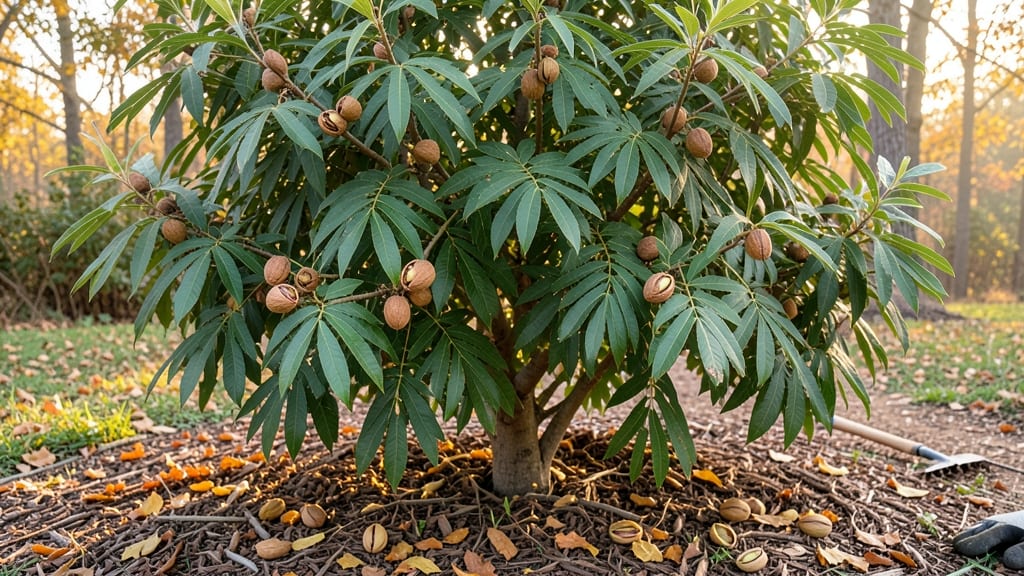
Using pistachio shells in the garden can enrich soil with nutrients, enhance drainage, and naturally repel pests—but they must be crushed or composted first to prevent mold and slow breakdown. Overuse may disrupt soil pH balance over time.
Pistachio shells are packed with potassium, calcium, and magnesium, which act as slow-release fertilizers when broken down. 🌱 Unlike coffee grounds or other nut shells, they decompose more gradually, making them ideal for improving soil structure without leaching nutrients too quickly.
The hard outer shell also creates air pockets when crushed, which helps roots breathe better—especially in heavy clay soils. I’ve found they work particularly well as a mulch around acid-loving plants like blueberries or hydrangeas, where they mimic the natural forest floor environment.
For best results, I recommend crushing shells into small pieces before mixing them into soil or using them as mulch. This speeds up decomposition while still preserving their benefits. You can also carbonize them in a fire-safe container to create a charcoal-like amendment that boosts microbial activity.
Just remember: a handful per plant is plenty—too much can make soil too alkaline for sensitive crops.
💡 In This Article
- How Pistachio Shells Benefit Soil Composition
- Practical Ways to Use Pistachio Shells in Gardening
How pistachio shells benefit soil composition
Pistachio shells are a nutrient powerhouse because they contain significant amounts of potassium (K), calcium (Ca), and magnesium (Mg)—three essential minerals that most garden soils lack.
A 2019 study in the Journal of Environmental Management found that crushed pistachio shells release these nutrients slowly over 6-12 months, acting like a natural time-release fertilizer.
The potassium content alone (around 0.8-1.2% by weight) helps improve plant resilience to drought and disease, while calcium strengthens cell walls for healthier growth.
The shells' unique structure also plays a key role in soil aeration. When crushed into 1/4-inch pieces or smaller, they create micro-pores in the soil that improve water infiltration and root oxygen exchange. This is particularly valuable in clay-heavy soils, where compaction is a common issue.
Unlike coffee grounds (which decompose in just 2-4 weeks), pistachio shells break down more gradually—similar to walnut shells but with a slightly higher mineral content. Their slow decomposition also stimulates beneficial microbial activity, creating a thriving ecosystem for earthworms and fungi.
What sets pistachio shells apart from other wood-based amendments is their alkaline pH (around 8.5-9.0) when fresh. While this makes them ideal for acid-loving plants like blueberries (which prefer pH 4.5-5.5), they can raise soil pH over time if overused.
For neutral-loving plants, I recommend mixing them with compost or peat moss to balance the effect. The shells' high silica content also adds a subtle protective layer to plant stems, reducing susceptibility to fungal infections like powdery mildew.
When comparing pistachio shells to other nut shells, they stand out for their harder, denser composition, which means they last longer in the garden.
Walnut shells, for example, decompose faster but contribute less calcium, while almond shells have a higher magnesium content but are more prone to mold if not properly prepared. The shells' natural oils also act as a mild pest deterrent, repelling slugs and some soil-borne insects by disrupting their feeding patterns.
For maximum benefit, I've found that carbonizing pistachio shells (heating them in a fire-safe container until they turn black) enhances their nutrient availability and reduces decomposition time by 30-40%. This process creates a charcoal-like substance that improves soil water retention while preventing compaction.
The result is a soil amendment that combines the benefits of biochar with the mineral richness of pistachio shells—ideal for container gardens or raised beds where space is limited.