
Tools
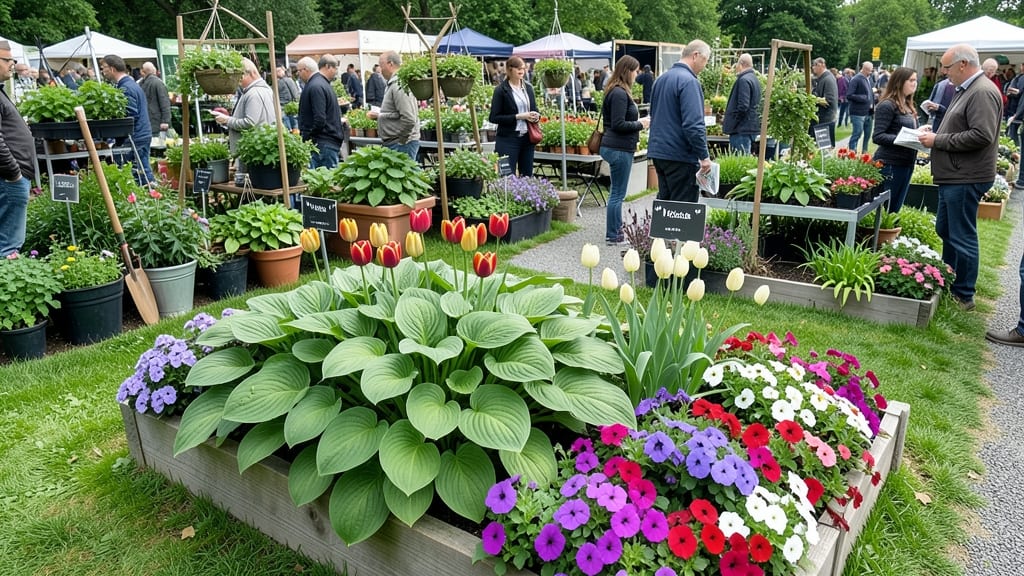
The Phila Garden Show showcases breathtaking floral arrangements, in-depth urban gardening workshops, and interactive demos tailored for all skill levels. Visitors can explore rare plant collections and browse vendor booths stocked with premium gardening supplies.
The Phila Garden Show stands out for its perfect blend of inspiration and education, making it a must-visit for both hobbyists and professionals. 🌿 This annual event transforms Philadelphia’s exhibition halls into a living classroom, where expert horticulturists share cutting-edge techniques for everything from container gardening to native plant restoration.
What sets it apart is the hands-on approach—attendees can test soil samples, learn to identify pests, and even take home starter plants from the demo gardens.
Beyond the stunning displays, the show’s vendor hall offers everything from heirloom seeds to high-tech irrigation systems, giving gardeners tools to bring their visions to life.
Whether you're dreaming of a pollinator-friendly patio or a thriving vegetable plot, the Phila Garden Show provides the knowledge and resources to make it happen—right in your own backyard.
💡 In This Article
- Behind the Scenes: How Phila Garden Show Curates Its Exhibits
- Top Takeaways: Expert Tips for Home Gardeners from Phila Garden Show
Behind the scenes: how phila garden show curates its exhibits
The Phila Garden Show’s exhibit selection process begins months in advance, with horticulturists and designers collaborating with local nurseries like Longwood Gardens and Montgomery County Horticultural Society. They prioritize plants that thrive in Philadelphia’s unique climate—USDA Hardiness Zone 7a-7b—while ensuring diversity in color, texture, and fragrance.
For instance, the show often features native perennials like black-eyed Susans alongside rare international varieties, creating a sensory journey for visitors.
The exhibit design follows a thematic zoning approach, dividing spaces into functional areas like vegetable gardens, pollinator-friendly meadows, and container gardening demonstrations. Each zone is carefully planned to balance aesthetics with education—such as labeling plants with their scientific names and growth requirements.
The vegetable garden exhibit, for example, might showcase heirloom tomatoes grown in raised beds, while the pollinator section highlights milkweed and coneflowers that support monarch butterflies.
What makes the show’s curation special is its focus on sustainable practices. Exhibitors often demonstrate techniques like companion planting (pairing basil with tomatoes to deter pests) and rainwater harvesting systems.
The collaboration with local experts ensures that every display is both visually stunning and practical for Philadelphia gardeners, whether they’re working with urban balconies or suburban plots.
Behind the scenes, the show’s team also works with vendors to align their booths with the exhibit themes. For example, a vendor selling organic fertilizers might be placed near the vegetable garden exhibit, while seed companies showcase varieties that thrive in the region’s hot, humid summers and cold winters.
This strategic placement turns the event into a seamless learning experience, connecting theory with real-world applications.
The show’s aesthetic goals are equally thoughtful—using seasonal color palettes (like soft purples and golds in autumn) to create a cohesive visual narrative. Lighting and plant placement are meticulously planned to highlight textures, such as the velvety leaves of lamb’s ear or the spiky blooms of hydrangeas.
Even the fragrance is curated, with scented plants like lavender and jasmine strategically placed near high-traffic areas.
One standout feature is the interactive demo gardens, where visitors can touch plants, feel different soil textures, and even taste homegrown herbs. These hands-on elements are designed to engage multiple senses, reinforcing the educational value while making the experience memorable.
The show’s ability to blend science, art, and practicality is what sets it apart from other gardening events.
For those curious about replicating these exhibits at home, the show’s curators often share plant care guides and layout tips—like how to create a pollinator-friendly border using three layers of plants (tall, medium, and ground cover).
This attention to detail ensures that every visitor leaves with actionable insights, no matter their gardening experience level.