
Landscaping
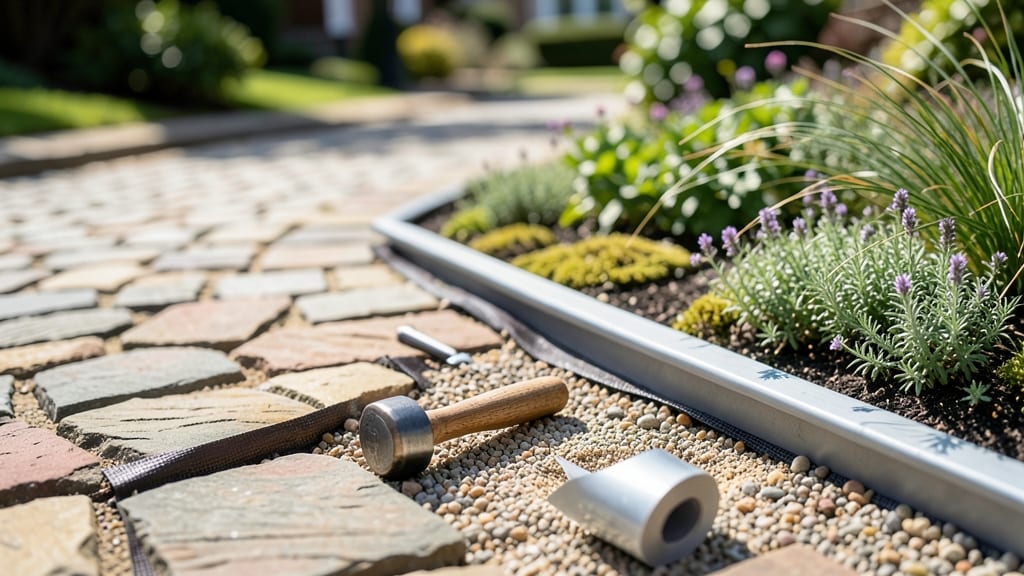
Cobble garden edging creates natural borders that prevent soil erosion while adding rustic charm, using stones like river rocks, slate, or granite for a low-maintenance solution. Select materials based on your climate, durability needs, and whether you prefer smooth or textured finishes.
This type of edging isn't just functional—it transforms your garden into a cohesive, polished space while requiring minimal upkeep. 💫 The irregular shapes of cobble stones create movement and visual interest, making them perfect for cottage gardens or modern landscapes alike.
I've found that granite holds up best in freeze-thaw climates, while slate offers a sleek, uniform look that works well for contemporary designs. The key is choosing stones that match both your garden's style and your maintenance preferences.
Beyond aesthetics, cobble edging solves practical problems like soil creep and weed growth by creating a physical barrier. The natural gaps between stones also allow for drainage, preventing water pooling that could damage plants.
For best results, I recommend using a 2-3 inch gravel base before laying stones to ensure long-term stability, especially in areas with heavy foot traffic or pets.
💡 In This Article
- Types of Cobble Stones for Garden Edging
- Step-by-Step Guide to Installing Cobble Edging
Types of cobble stones for garden edging
River rocks offer the most natural, organic look with their smooth, rounded shapes formed by centuries of water erosion. These stones typically weigh between 1-5 pounds each and come in earthy tones like tan, gray, and brown, blending seamlessly with cottage or woodland gardens.
Their porous surface allows for excellent drainage, making them ideal for areas with heavy rainfall or poor soil. However, river rocks can shift over time due to their lightweight nature, requiring a 3-4 inch gravel base for stability.
Slate provides a more refined, uniform appearance with its flat, layered structure and sharp edges. Each piece usually weighs 5-15 pounds, offering better stability than river rocks while maintaining a natural look.
The color palette ranges from deep blacks to soft grays and greens, perfect for contemporary or minimalist garden designs. Slate's durability makes it excellent for high-traffic areas, though its flat surfaces may require occasional weeding between stones. The material also resists weathering well in most climates except extreme freeze-thaw cycles.
Granite delivers the most rugged, long-lasting option with its crystalline structure and weight ranging from 10-30 pounds per stone. Available in bold colors like pink, black, and speckled gray, granite creates striking visual contrast while withstanding harsh weather conditions.
Its density prevents shifting, making it ideal for windy locations or garden edges that need to last decades. The trade-off is granite's higher cost and heavier installation requirements, which may need professional help for proper placement.
Limestone offers a softer aesthetic with its lighter colors and slightly porous texture, weighing 3-10 pounds per stone. It's perfect for Mediterranean or formal garden styles but requires careful selection—some varieties erode faster in acidic soils.
The material's natural calcium content can also help neutralize soil acidity over time, benefiting plants like azaleas or blueberries. For best results, choose bedded limestone with a 1-2 inch sand base to prevent shifting.
Each stone type affects both the visual impact and maintenance needs of your garden. For example, river rocks create movement and softness, while slate provides clean lines and structure.
Consider your local climate—granite excels in freeze-thaw zones, while limestone thrives in dry, warm regions. The right choice transforms your garden from functional to stunning with minimal upkeep.